
Introduction
Many homeowners overlook the side yard when planning their outdoor spaces. Often narrow, underused, and forgotten, the side yard can become one of the most productive and beautiful areas of a property when designed thoughtfully. One of the best ways to maximize this space is by incorporating raised garden beds. Raised beds provide structure, improve soil quality, make gardening easier, and create an organized appearance that works especially well in long and narrow spaces.
Whether your side yard receives full sun, partial shade, or a mix of both throughout the day, raised beds can help transform it into a thriving garden filled with vegetables, herbs, flowers, and decorative plants. Unlike traditional in-ground gardens, raised beds offer better drainage, improved soil control, and easier maintenance. They also help define pathways and create a visually appealing layout that feels intentional and professionally designed.
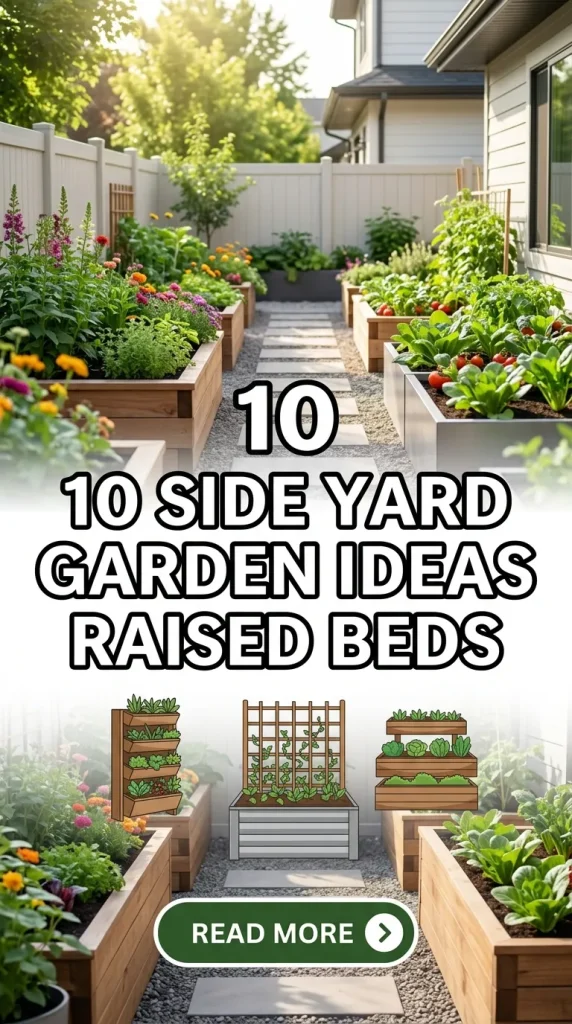
Another advantage of raised beds is their versatility. They can be built from wood, metal, stone, or composite materials and arranged in countless configurations. From modern minimalist gardens to charming cottage-inspired landscapes, raised beds can suit nearly any outdoor style.
In this guide, you’ll discover ten creative side yard garden ideas featuring raised beds. Each idea is designed to help you make the most of limited space while creating a beautiful and functional outdoor area. Whether you’re interested in growing fresh produce, colorful flowers, or a combination of both, these ideas can inspire your next garden transformation.
Materials Used
Depending on your chosen design, you may need the following materials:
- Cedar wood boards
- Pressure-treated lumber
- Metal raised bed kits
- Stone blocks
- Gravel
- Mulch
- Compost
- Garden soil
- Landscape fabric
- Decorative pebbles
- Trellises
- Climbing plant supports
- Solar garden lights
- Irrigation tubing
- Wooden stakes
- Planters
- Herbs and vegetable seedlings
- Flowering plants
- Garden edging
- Outdoor benches
How to Create a Side Yard Raised Bed Garden
Step 1: Evaluate Sunlight
Observe how much sunlight your side yard receives throughout the day. This will determine which plants will thrive in the space.
Step 2: Measure the Area
Carefully measure the width and length of your side yard to determine the number and size of raised beds that can fit comfortably.
Step 3: Plan Pathways
Leave enough room between beds for easy access, watering, harvesting, and maintenance.
Step 4: Install Raised Beds
Build or purchase raised beds that complement your home’s style and fit the available space.
Step 5: Fill with Quality Soil
Use a mixture of compost, topsoil, and organic matter to create nutrient-rich growing conditions.
Step 6: Select Plants
Choose vegetables, herbs, flowers, or ornamental plants based on sunlight conditions and personal preferences.
Step 7: Add Finishing Touches
Install lighting, decorative edging, mulch, and garden accessories to enhance both beauty and functionality.
1. Classic Parallel Raised Bed Layout
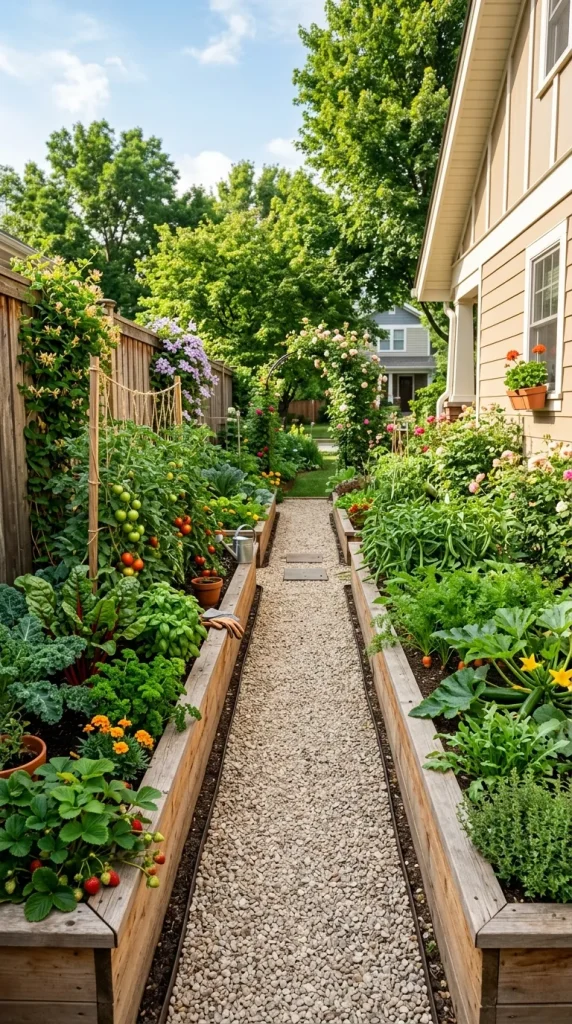
One of the most efficient ways to use a side yard is by installing parallel raised beds that run along the length of the space. This arrangement creates a clean, organized appearance while maximizing growing capacity. The beds can be positioned on either side of a central pathway, allowing easy access to every section of the garden.
This layout works particularly well in narrow side yards because it utilizes the available length without making the area feel crowded. Wooden raised beds create a warm and inviting farmhouse-inspired appearance, while metal beds provide a more modern aesthetic. The pathway can be filled with gravel, stepping stones, or mulch to define the space and improve accessibility.
Parallel raised beds are ideal for growing vegetables such as tomatoes, peppers, lettuce, carrots, and beans. Herbs can also be incorporated along the edges for easy harvesting. The organized structure makes crop rotation and seasonal planting much easier to manage.
To enhance visual appeal, consider adding solar lights along the pathway. These lights create a welcoming atmosphere during the evening and improve safety. Decorative trellises at the ends of the beds can provide vertical interest while supporting climbing plants.
Because the design is simple and symmetrical, it creates a polished look that resembles professionally landscaped gardens. The layout also allows homeowners to expand gradually by adding additional beds as their gardening interests grow. For anyone seeking a practical and attractive side yard garden solution, parallel raised beds remain one of the most effective options.
2. Cottage Garden Raised Beds
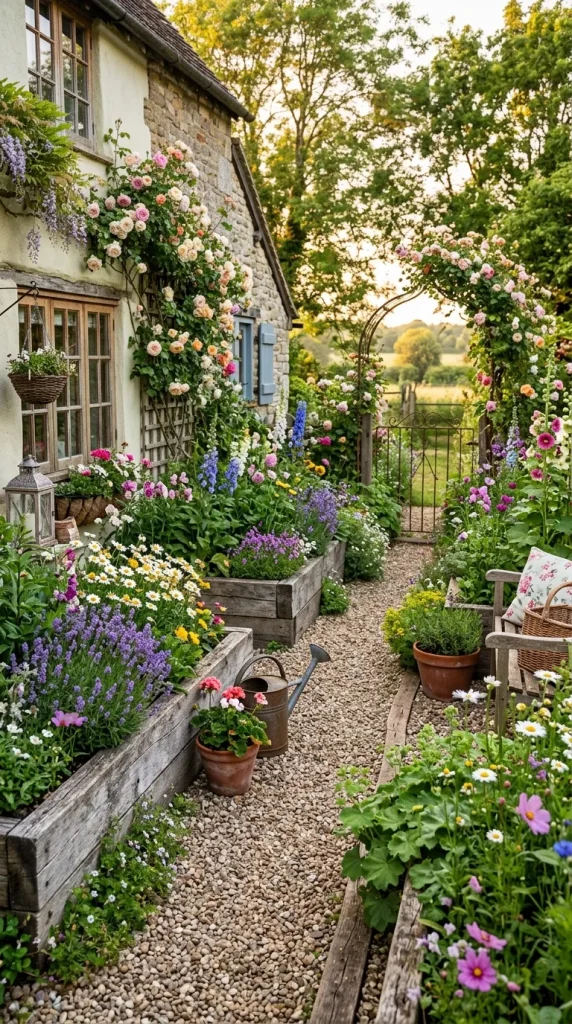
A cottage-inspired side yard garden combines the structure of raised beds with the romantic charm of overflowing flowers and greenery. Instead of focusing solely on vegetables, this design incorporates colorful blooms, fragrant herbs, and ornamental plants that create a lush and inviting atmosphere.
Raised beds constructed from weathered wood complement the cottage aesthetic beautifully. Soft curves, informal plant arrangements, and layered heights contribute to the relaxed appearance that defines cottage gardens. Popular flower choices include lavender, daisies, coneflowers, foxgloves, and roses, while herbs such as thyme and rosemary add fragrance and practicality.
The beauty of this design lies in its abundance. Plants are arranged closely together to create a full and vibrant look that feels natural rather than overly structured. Climbing flowers can be trained along fences or trellises, adding vertical dimension and maximizing limited space.
Decorative elements such as vintage watering cans, birdhouses, and rustic garden signs enhance the cottage atmosphere. Gravel pathways bordered by flowering plants help guide visitors through the garden while maintaining functionality.
This approach transforms a simple side yard into a charming outdoor retreat filled with color, texture, and seasonal interest. The combination of raised beds and cottage-style planting creates a space that feels both productive and decorative. Homeowners who enjoy a softer, more romantic garden style often find this design especially appealing.
3. Modern Metal Raised Bed Garden
For a sleek and contemporary look, consider using metal raised beds throughout the side yard. Metal beds provide clean lines and a sophisticated appearance that complements modern architecture while maintaining excellent functionality.
Galvanized steel raised beds are particularly popular because they are durable, weather-resistant, and visually striking. Their streamlined appearance contrasts beautifully with lush green plants, creating an attractive balance between natural and industrial elements.
In a modern side yard garden, simplicity is key. Beds are typically arranged in geometric patterns with clearly defined pathways. Decorative gravel, minimalist lighting, and limited color palettes help reinforce the contemporary aesthetic.
This design works well for vegetables, herbs, and ornamental grasses. Repeating plant varieties throughout the beds creates a cohesive appearance while reducing visual clutter. Drip irrigation systems can be installed discreetly to simplify maintenance and conserve water.
The reflective surface of metal beds adds visual interest and helps brighten narrow spaces. They also warm quickly in spring, potentially extending the growing season for certain crops.
Modern metal raised bed gardens demonstrate that practicality and style can coexist beautifully. The clean structure creates an organized environment that feels both sophisticated and welcoming. Homeowners seeking a low-maintenance yet highly attractive garden often find this approach ideal for side yard spaces.

4. Vegetable-Focused Raised Bed Garden
Transforming a side yard into a productive vegetable garden is one of the most rewarding ways to use raised beds. This design prioritizes food production while maintaining an organized and visually appealing layout.
Multiple raised beds can be dedicated to different vegetable categories. Leafy greens, root vegetables, tomatoes, peppers, and beans each receive their own designated growing areas. This organization simplifies maintenance and improves crop management throughout the season.
Raised beds provide excellent soil control, which is especially beneficial for vegetable gardening. Rich compost and organic matter can be incorporated easily, resulting in healthier plants and larger harvests. The improved drainage also helps prevent common gardening issues such as root rot.
Vertical growing structures can maximize productivity in limited spaces. Trellises support climbing vegetables such as cucumbers and beans while conserving valuable ground space. Companion planting strategies further enhance efficiency by encouraging beneficial insect activity and reducing pest problems.
Pathways lined with mulch or gravel provide easy access for watering, harvesting, and maintenance. Labels identifying different crops add both practicality and visual charm.
A vegetable-focused side yard garden offers fresh produce just steps from the kitchen while transforming an underutilized area into a productive landscape feature. The combination of raised beds and careful planning creates a space that is both beautiful and highly functional throughout the growing season.

5. Herb Lover’s Raised Bed Retreat
A dedicated herb garden can transform a side yard into a fragrant and useful outdoor space. Raised beds provide ideal growing conditions for a wide variety of culinary and medicinal herbs while keeping the area neat and organized.
Popular herb choices include basil, rosemary, thyme, oregano, parsley, mint, sage, and chives. Each herb offers unique textures, colors, and scents that contribute to the garden’s overall appeal. Grouping herbs according to their sunlight and water requirements helps ensure successful growth.
Wooden raised beds enhance the natural beauty of the plants while providing excellent drainage. Gravel pathways and decorative edging help define the space and create a polished appearance. Small signs identifying each herb add charm and functionality.
The sensory experience of an herb garden makes it particularly enjoyable. Fragrant foliage releases pleasant aromas when brushed against, creating a relaxing environment. Many herbs also attract pollinators such as bees and butterflies, supporting local ecosystems.
A side yard herb garden offers practical benefits as well. Fresh herbs are readily available for cooking, reducing grocery expenses and enhancing meals with homegrown flavor. Because most herbs require relatively little maintenance, they are ideal for busy gardeners.
This design combines beauty, fragrance, and productivity in a compact footprint. The organized structure of raised beds ensures easy access while allowing herbs to thrive throughout the growing season.

6. Flower-Filled Raised Bed Border Garden
A side yard can become a vibrant display of color by focusing on flowering plants within raised beds. This design emphasizes visual beauty while creating a welcoming pathway alongside the home.
Raised beds can be filled with a combination of annuals and perennials to ensure continuous blooms throughout the year. Popular options include zinnias, petunias, black-eyed Susans, salvia, coneflowers, and hydrangeas. Mixing flower varieties with different heights creates depth and visual interest.
The raised bed structure helps contain plants and maintain a tidy appearance even when blooms are abundant. Wooden or stone borders add character while complementing the natural beauty of the flowers.
Seasonal color changes keep the garden dynamic and engaging. Spring bulbs, summer blooms, and autumn flowers provide year-round interest while attracting beneficial pollinators.
Decorative features such as garden arches, solar lights, and ornamental containers can enhance the overall design. These additions create focal points and make the side yard feel like an intentional extension of the home’s landscape.
Flower-filled raised beds demonstrate how a narrow space can become a stunning garden destination. The abundance of color and texture transforms an ordinary side yard into a cheerful and visually captivating outdoor environment.

7. Raised Beds with Vertical Trellises
When side yard space is limited, vertical gardening offers an excellent solution. Combining raised beds with trellises allows homeowners to grow more plants without expanding the garden footprint.
Trellises support climbing vegetables, flowering vines, and decorative plants. Cucumbers, pole beans, peas, clematis, and climbing roses all perform beautifully in this setup. The vertical growth habit creates visual height and makes the garden feel larger.
Wooden or metal trellises can be installed directly within the raised beds. These structures add architectural interest while providing essential plant support. Repeating trellis designs throughout the garden creates a cohesive appearance.
Vertical gardening improves air circulation around plants and makes harvesting easier. Fruits and vegetables are often cleaner because they remain elevated above the soil surface. The arrangement also increases sunlight exposure, promoting healthy growth.
The combination of raised beds and trellises creates multiple layers of interest within a compact area. Ground-level plants can coexist with climbing varieties, maximizing productivity and visual appeal.
This design is ideal for homeowners seeking to make the most of a narrow side yard while creating a striking garden display. The vertical elements draw the eye upward and transform a simple garden into a dynamic landscape feature.

8. Raised Bed Garden with Seating Area
A side yard doesn’t have to be purely functional. Incorporating a small seating area among raised beds creates a relaxing retreat where homeowners can enjoy their garden throughout the day.
Raised beds can be arranged around a central bench, bistro table, or pair of chairs. The surrounding plants create a sense of enclosure while providing beauty and privacy. Flowers, herbs, and ornamental grasses work particularly well in this type of design.
Pathways connect the seating area to the rest of the garden, ensuring easy access and smooth circulation. Decorative gravel and stepping stones help define the layout while adding visual texture.
Comfortable seating encourages outdoor relaxation and allows gardeners to fully appreciate the fruits of their labor. Morning coffee, afternoon reading, or evening conversations become more enjoyable when surrounded by greenery.
Additional features such as string lights, lanterns, or small water features can enhance the atmosphere. These details help create a cozy and inviting environment that feels separate from the rest of the property.
By combining productivity with comfort, this design transforms a simple side yard into a multifunctional outdoor living space. The raised beds provide structure and beauty while the seating area encourages regular enjoyment of the garden.

9. Pollinator-Friendly Raised Bed Garden
Creating a pollinator-friendly garden is a wonderful way to support local ecosystems while enhancing the beauty of a side yard. Raised beds provide an organized framework for growing plants that attract bees, butterflies, and other beneficial insects.
Native flowers are often the best choice because they are well adapted to local conditions and provide valuable food sources for pollinators. Coneflowers, bee balm, lavender, black-eyed Susans, and milkweed are popular options.
The raised bed format allows different flower varieties to be grouped strategically, creating continuous blooms throughout the growing season. This ensures a steady supply of nectar and pollen.
Decorative elements such as butterfly houses, shallow water dishes, and natural stone accents further enhance the habitat. Avoiding chemical pesticides helps protect beneficial insects and supports a healthier garden environment.
Pollinator gardens are visually stunning because of their diversity and movement. Butterflies fluttering among colorful flowers create a lively and engaging atmosphere that changes throughout the day.
In addition to their environmental benefits, pollinator-friendly gardens often improve the productivity of nearby vegetable and fruit plants. The increased presence of pollinating insects supports healthier harvests throughout the landscape.
This raised bed garden design combines ecological responsibility with exceptional beauty, making it an excellent choice for environmentally conscious homeowners.
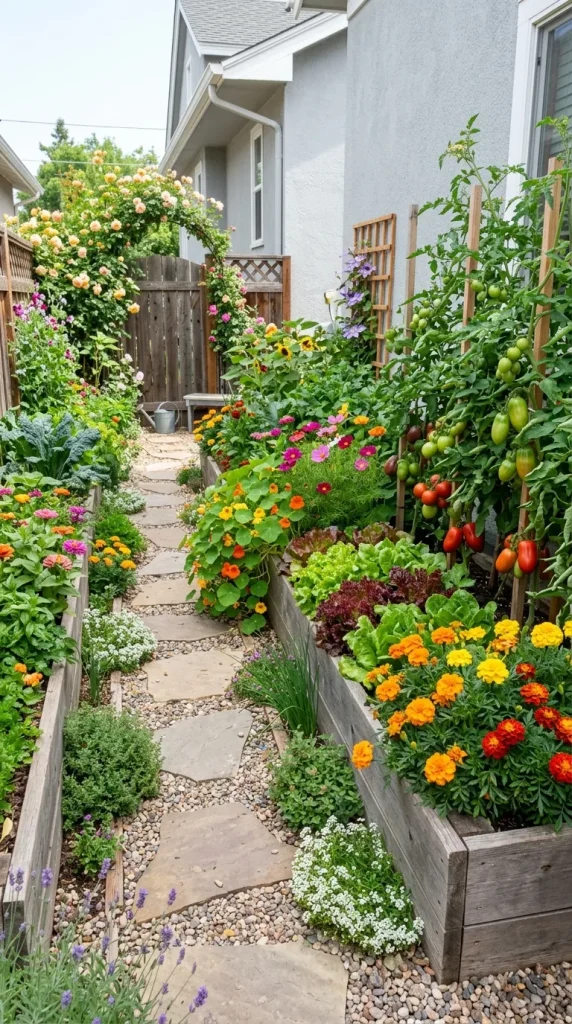
10. Mixed Edible and Ornamental Raised Beds
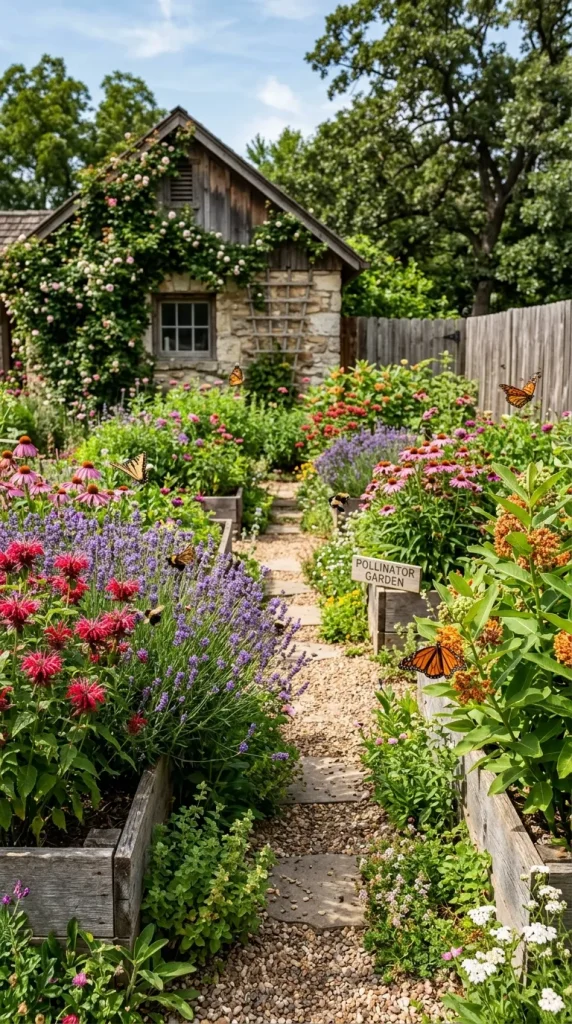
One of the most versatile side yard garden designs combines edible plants with ornamental flowers in the same raised beds. This approach creates a garden that is both productive and visually appealing.
Vegetables such as kale, lettuce, peppers, and tomatoes can be paired with flowering plants like marigolds, nasturtiums, and salvia. The combination adds color and texture while attracting beneficial insects that support plant health.
Raised beds help organize the diverse plantings and maintain a neat appearance. The structured layout prevents the garden from looking chaotic despite the variety of plants involved.
Companion planting offers additional advantages. Certain flowers help repel pests while attracting pollinators, creating a healthier growing environment for edible crops. The result is a garden that performs well while looking beautiful.
The visual contrast between edible plants and decorative flowers creates a layered and dynamic appearance. Seasonal changes keep the garden interesting throughout the year, ensuring ongoing visual appeal.
This design is ideal for homeowners who want to maximize both beauty and productivity within a limited space. The raised beds provide flexibility, allowing the garden to evolve as planting preferences change over time.
Conclusion
A side yard may seem like a challenging space to landscape, but raised beds make it possible to transform even the narrowest area into a thriving and attractive garden. Whether you prefer growing vegetables, herbs, flowers, or a combination of all three, raised beds provide structure, organization, and improved growing conditions.
From classic parallel layouts and cottage gardens to modern metal beds and pollinator-friendly designs, these ten ideas demonstrate the incredible potential hidden within side yard spaces. With thoughtful planning, quality materials, and creative planting choices, your side yard can become one of the most beautiful and productive parts of your property.




Leave a Reply