
Creating a bathroom that feels both stylish and functional often begins with one key element: the tiles. Tiles are more than just a practical necessity—they define the personality of the space. They set the tone, influence the mood, and can make a small bathroom feel expansive or a large bathroom feel cozy. Whether you’re renovating your existing bathroom or designing a new one from scratch, choosing the right combination of tiles is crucial to achieving a cohesive and timeless look.

Bathroom design has evolved dramatically over the years. Gone are the days when a single color or uniform tile pattern was considered sufficient. Today, creative tile combinations allow homeowners to express personal style while enhancing functionality. From mixing textures and colors to combining patterns and materials, the possibilities are virtually limitless. Thoughtful tile selection can transform a simple bathroom into a sophisticated sanctuary that balances elegance with comfort.
1. Classic White Subway Tiles with Hexagonal Floor Tiles
The enduring appeal of white subway tiles lies in their clean, minimalist aesthetic. Pairing them with hexagonal floor tiles adds visual interest without overwhelming the space. The hexagonal pattern introduces subtle geometric sophistication, creating a dynamic contrast with the linear arrangement of subway tiles. For an added layer of depth, consider choosing floor tiles in a muted shade of gray or soft beige. This combination works well in both small and large bathrooms, reflecting light while maintaining a timeless design that never goes out of style.

2. Monochromatic Gray Tones
Gray tiles offer versatility and modern elegance. By combining different shades of gray on walls and floors, you can create a layered, monochromatic effect that feels both luxurious and contemporary. Large-format gray wall tiles can provide a sleek, uninterrupted surface, while smaller or patterned gray tiles on the floor introduce texture and depth. This palette works well with chrome or matte black fixtures, creating a cohesive and refined look ideal for modern bathrooms that emphasize understated sophistication.
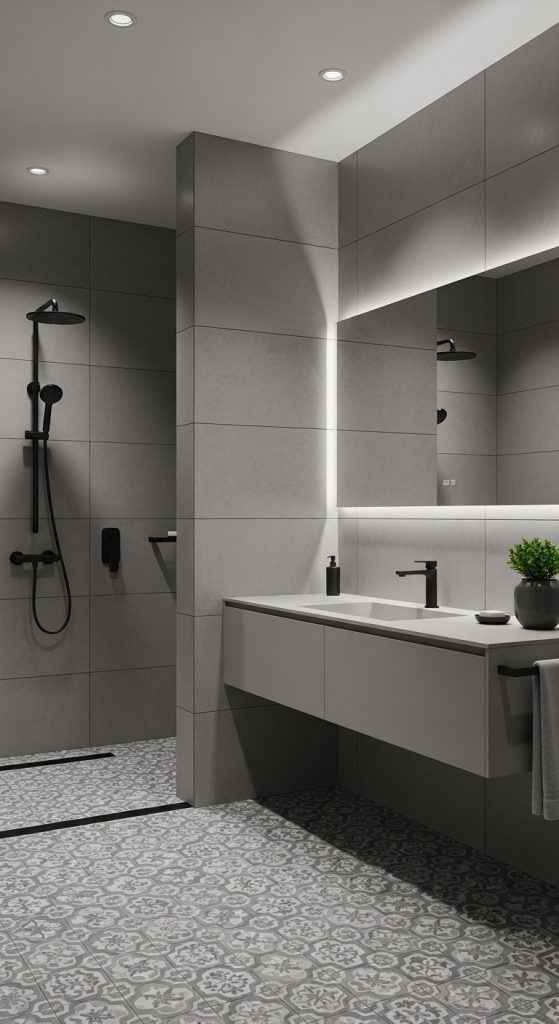
3. Marble Wall Tiles with Matte Floor Tiles
Marble has long been associated with luxury, but pairing it with matte floor tiles can balance opulence with practicality. Choose polished marble tiles for walls to make a bold statement, and contrast them with matte, slip-resistant tiles on the floor for a grounded, functional design. The natural veining of marble adds visual movement, while the matte floor tiles prevent the space from feeling too cold or overly polished. This combination is ideal for bathrooms where you want to achieve a high-end spa-like atmosphere.
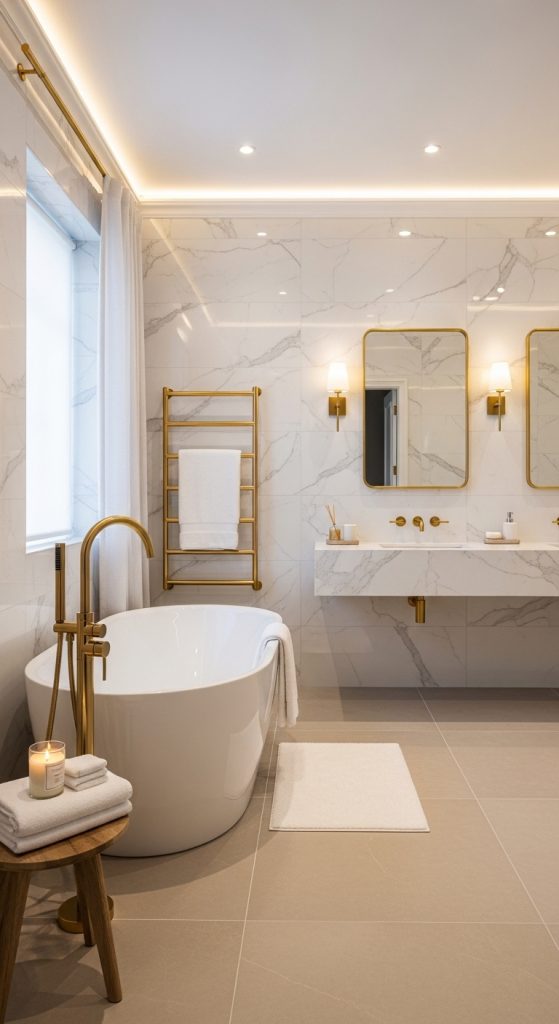
4. Patterned Moroccan Tiles with Neutral Walls
For a more eclectic and global-inspired look, patterned Moroccan-style floor tiles paired with neutral wall tiles can create an eye-catching combination. The intricate designs of Moroccan tiles bring energy and vibrancy to the floor, while plain wall tiles in soft whites, creams, or light grays maintain balance and prevent the space from feeling busy. This combination allows for experimentation with color and pattern while keeping the overall design cohesive. It is particularly effective in smaller bathrooms, where floor patterns can serve as the main design focal point.
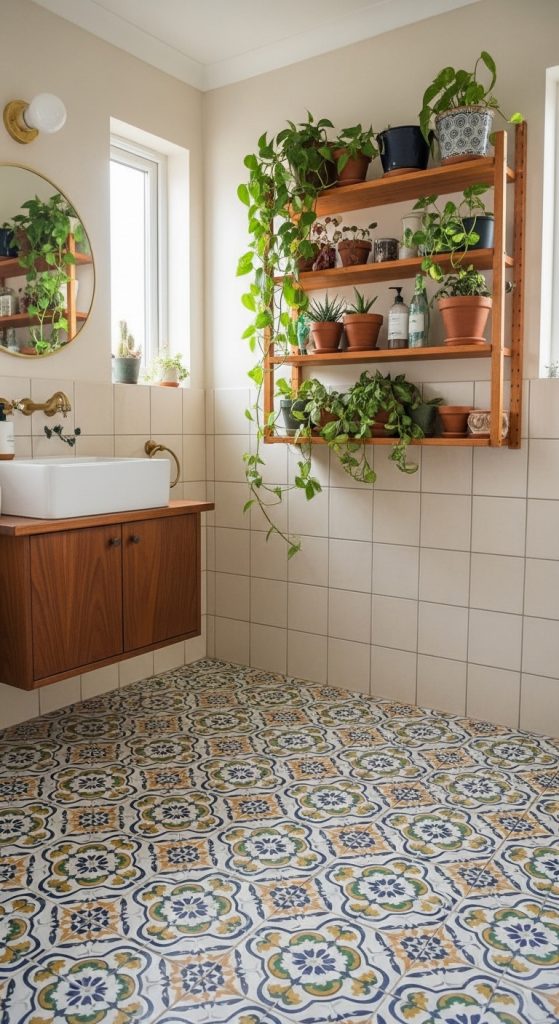
5. Wood-Look Porcelain Tiles with White Walls
Bringing warmth into a bathroom can be challenging, but wood-look porcelain tiles provide a natural and inviting feel without compromising durability. Pairing these tiles with simple white wall tiles creates a clean backdrop that highlights the wood-like texture of the floors or accent walls. This combination works exceptionally well in minimalist or Scandinavian-inspired bathrooms, where warmth and simplicity are key. Wood-look tiles also lend themselves to mixing horizontal and vertical layouts for added visual interest.
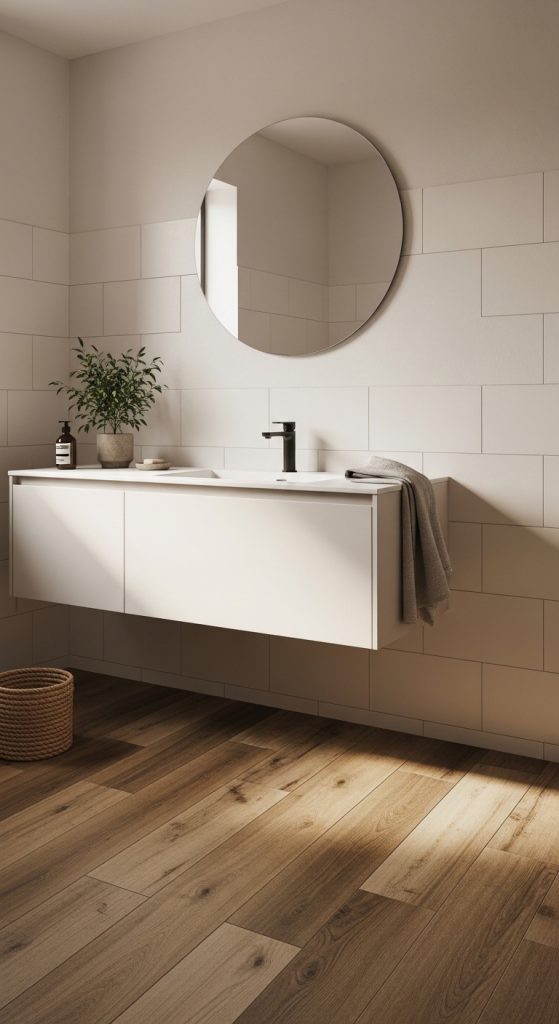
6. Black and White Contrast
The timeless combination of black and white tiles offers dramatic contrast and enduring elegance. For a contemporary twist, consider black floor tiles with white walls or vice versa. You can also introduce patterned black-and-white tiles on one wall or in the shower area to create a striking focal point. This combination exudes sophistication and works in both small powder rooms and spacious master bathrooms. Accent details such as black fixtures or metallic accessories further enhance the bold, high-contrast aesthetic.
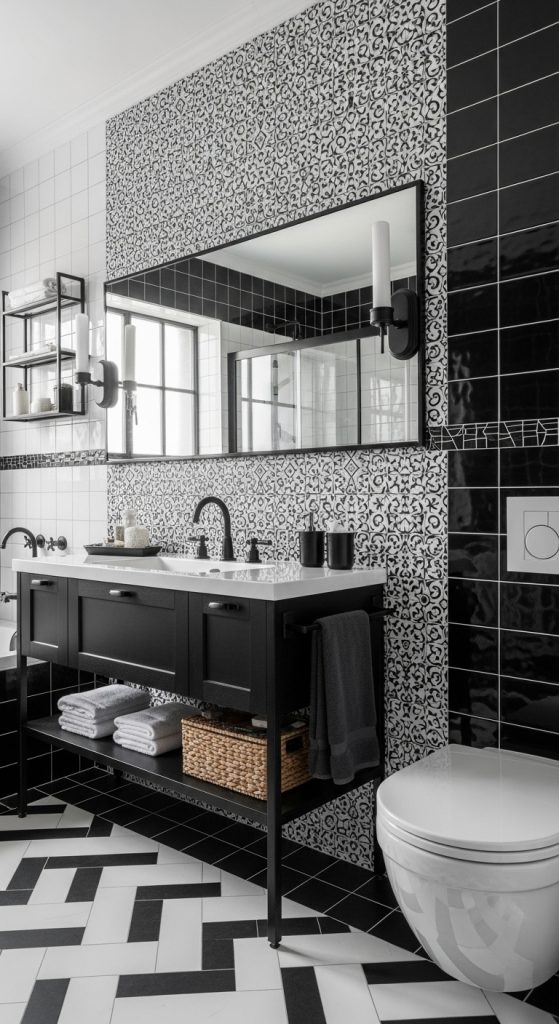
7. Soft Pastels with Neutral Base
Pastel-colored tiles can add a subtle touch of personality without overwhelming the space. Combining soft pastel wall tiles with neutral floor tiles creates a gentle, calming atmosphere. Shades such as pale blue, mint green, or blush pink paired with beige, cream, or soft gray flooring can produce a spa-like effect that feels fresh and inviting. This combination is ideal for bathrooms aimed at relaxation, particularly those with natural lighting that highlights the softness of the pastel hues.
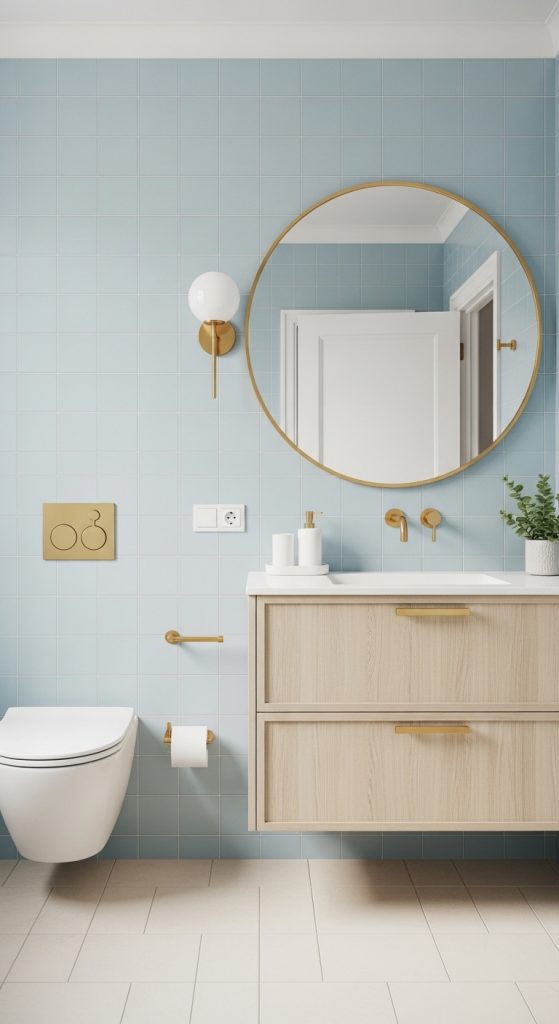
8. Textured Tiles with Smooth Surfaces
Introducing texture can add depth and character to any bathroom. Combining textured wall tiles, such as 3D geometric patterns or ridged ceramic tiles, with smooth, polished floor tiles creates a subtle contrast that enhances visual interest. Textured tiles can be used sparingly as an accent wall or behind the vanity to avoid overwhelming the space. This combination works well in modern or transitional bathrooms where texture is used to create focal points and add dimension without relying on bold color contrasts.
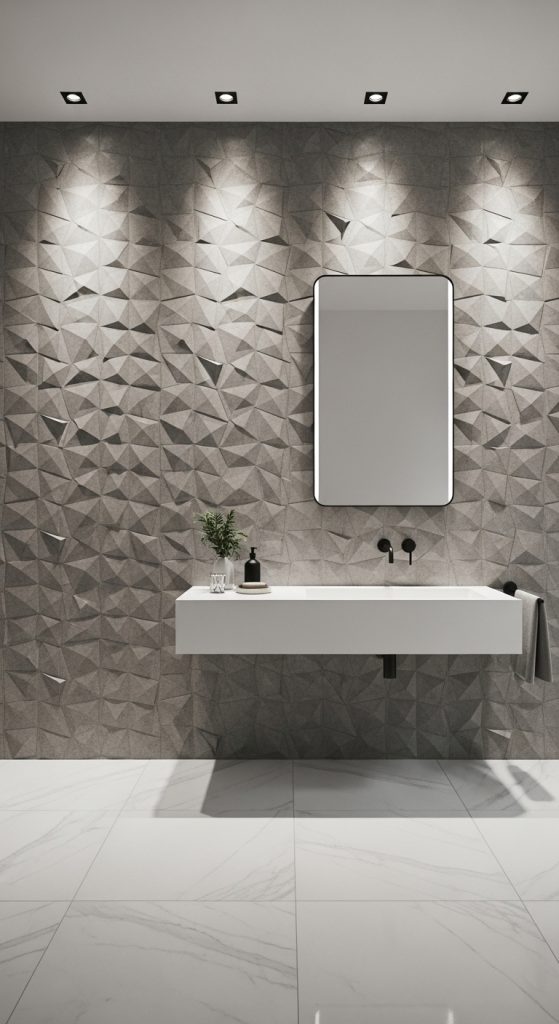
9. Two-Tone Tiles
Two-tone tile combinations are a simple yet effective way to create visual separation in a bathroom. This approach can involve using one color on the lower half of the walls and a complementary or contrasting color on the upper half. Alternatively, you can mix two complementary colors on the floor or combine a patterned tile with a solid color tile. Two-tone tiles are particularly effective in mid-sized bathrooms, as they create a sense of structure and elegance while allowing room for creativity in color pairing.
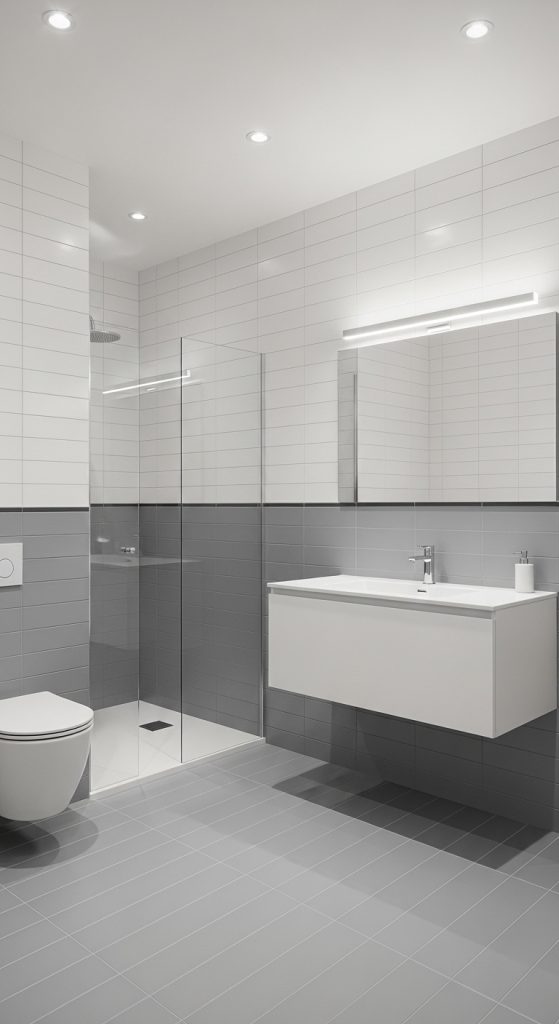
10. Large-Format Tiles with Minimal Grout Lines
Large-format tiles offer a modern, seamless appearance and can make a small bathroom appear more spacious. Using large wall tiles combined with matching or slightly contrasting large-format floor tiles reduces grout lines, giving the bathroom a clean, uninterrupted flow. For an added layer of sophistication, opt for subtle textures or shades within the same color family. This combination is perfect for contemporary bathrooms focused on simplicity, functionality, and visual expansion.
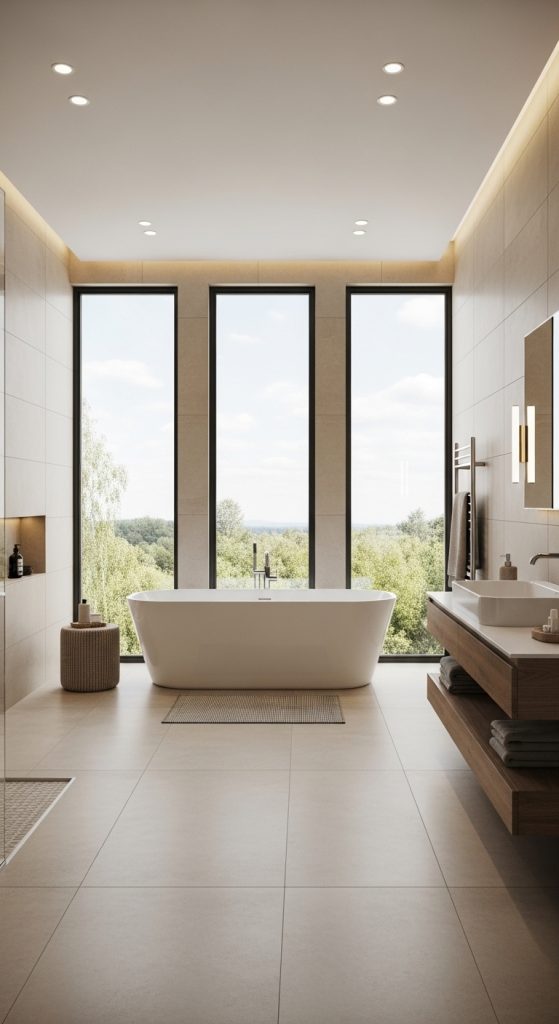
Bathroom tile combinations are about finding the perfect balance between style and function. Whether you prefer classic elegance, bold contrasts, or textured patterns, selecting the right combination of tiles can elevate the bathroom from a simple functional space to a true sanctuary. Thoughtful tile choices ensure longevity, aesthetic appeal, and a design that complements the overall personality of your home. The ten combinations outlined above are versatile starting points, each offering unique possibilities for homeowners looking to create a bathroom that is both stylish and timeless.





Leave a Reply