
Introduction
Vintage eclectic interior design is one of the most expressive and personality-driven decorating styles. Unlike design approaches that follow strict rules, eclectic interiors celebrate creativity, individuality, and the art of mixing different eras, textures, colors, and decorative elements. When combined with vintage influences, eclectic spaces become even more charming, filled with character, history, and visual interest.
The beauty of vintage eclectic design lies in its ability to tell a story. Every piece feels collected rather than purchased as part of a matching set. Antique furniture, vintage artwork, heirloom accessories, retro lighting, and modern accents work together to create spaces that feel unique and deeply personal. Instead of striving for perfection, eclectic design embraces contrast and curated imperfection.
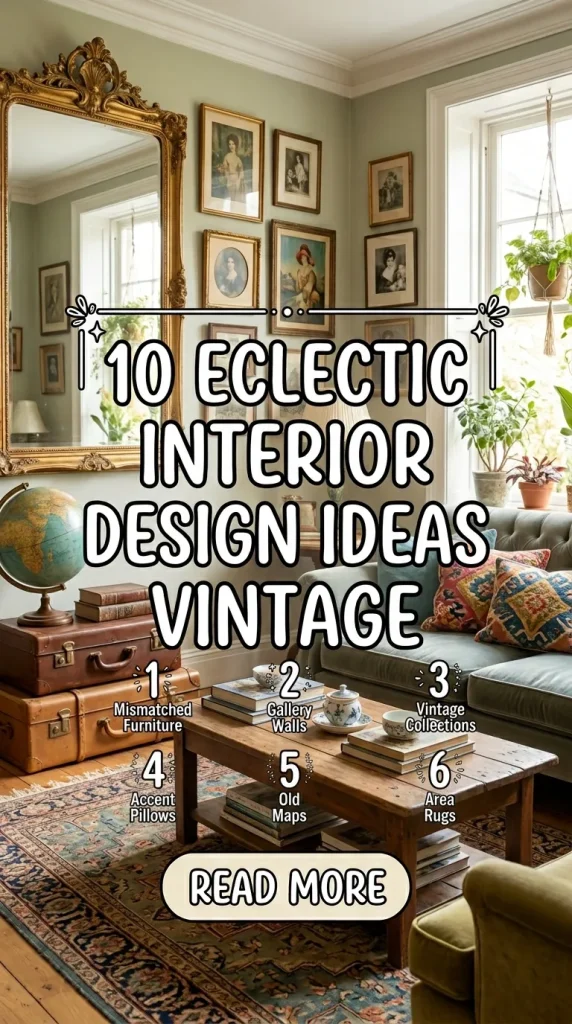
Pinterest has played a significant role in popularizing vintage eclectic interiors because they photograph beautifully and feel highly customized. Rich textures, layered decor, mixed patterns, and one-of-a-kind treasures create visually inspiring spaces that stand out from more conventional interiors.
One of the greatest advantages of vintage eclectic decorating is flexibility. You don’t need to follow a single design period or invest in expensive matching furniture. Instead, you can combine flea market finds, family heirlooms, antique treasures, modern pieces, and handcrafted decor to create a home that reflects your personality.
In this guide, you’ll discover ten inspiring vintage eclectic interior design ideas that combine timeless charm with artistic expression. Whether you’re decorating an entire home or simply refreshing a room, these ideas will help you create spaces that feel warm, collected, and uniquely yours.
Materials Used in Vintage Eclectic Interiors
The materials used in vintage eclectic interiors are diverse because the style thrives on contrast and layering. However, certain materials consistently appear because they contribute warmth, authenticity, and character.
Wood is one of the most important materials. Vintage furniture often features rich woods such as walnut, oak, mahogany, and teak. These pieces provide a sense of history and craftsmanship that anchors the room.
Textiles play a major role in creating depth and comfort. Velvet, linen, cotton, wool, and embroidered fabrics add softness while introducing texture and visual interest. Layered rugs, throw pillows, and curtains contribute to the eclectic aesthetic.
Metal finishes such as brass, bronze, iron, and aged gold frequently appear in lighting fixtures, mirrors, furniture hardware, and decorative accessories. These finishes help create a collected and timeless feel.
Glass and ceramic materials add elegance and variety. Vintage vases, ceramic lamps, decorative bowls, and colorful glass accessories introduce artistic elements that enrich the overall design.
Natural materials like rattan, wicker, leather, stone, and marble provide additional texture and contrast. These materials help balance ornate vintage pieces with more relaxed organic elements.
Artwork, books, antiques, framed prints, and collectibles are also essential materials in eclectic spaces. These items add personality and tell the story of the people who live there.
How to Create a Vintage Eclectic Interior
Creating a successful vintage eclectic interior begins with embracing individuality. The goal is not to make everything match but to create harmony among diverse elements.
Start with a neutral foundation. Walls, flooring, and large furniture pieces should provide a calm backdrop that allows vintage items and decorative accents to stand out.
Mix furniture from different eras. Pair a vintage wooden cabinet with a modern sofa, or combine antique side tables with contemporary lighting. The contrast creates visual interest while preventing the room from feeling overly themed.
Layer textures generously. Use rugs, cushions, throws, curtains, and decorative accessories to add warmth and depth. Mixing materials creates the rich, collected look that defines eclectic design.
Incorporate meaningful vintage pieces. Antique mirrors, heirloom furniture, vintage artwork, and flea market finds bring authenticity to the space and help tell a story.
Use color thoughtfully. While eclectic interiors often include bold accents, maintaining a cohesive color palette helps unify the room.
Finally, trust your instincts. Eclectic design is personal and creative. Focus on items you genuinely love, and allow your collection to evolve naturally over time.
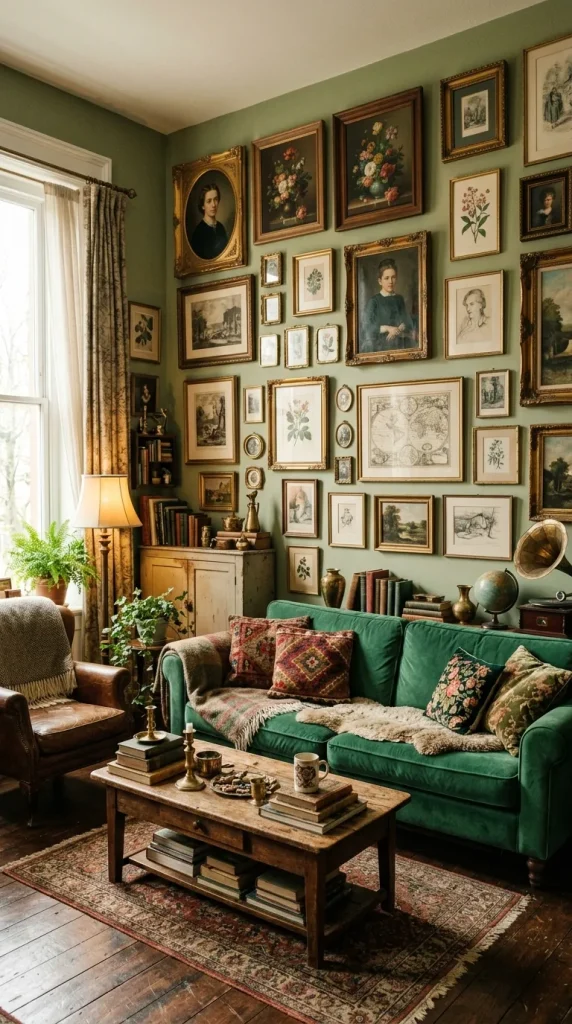
1. Vintage Gallery Wall Living Room
A vintage gallery wall is one of the most effective ways to create an eclectic focal point while showcasing personality and history. Instead of relying on a single piece of artwork, this approach combines multiple framed elements to tell a visual story.
Start by collecting a variety of vintage-inspired artwork, antique photographs, botanical prints, sketches, maps, and decorative mirrors. The diversity of subjects adds interest and reinforces the eclectic aesthetic. Different frame styles, finishes, and sizes contribute to the collected-over-time appearance that makes gallery walls so appealing.
The arrangement should feel curated rather than perfectly symmetrical. While some level of balance is important, slight irregularities create authenticity and charm. Experiment with layouts on the floor before committing to placement on the wall.
Furniture surrounding the gallery wall should complement the display without competing for attention. A vintage sofa, antique sideboard, or mid-century coffee table can anchor the room while allowing the artwork to remain the focal point.
Layering additional decorative elements enhances the overall effect. Books, candles, ceramic vases, and collected treasures reinforce the sense of personality and history. Lighting is equally important, as picture lights or strategically placed lamps can highlight key pieces.
A vintage gallery wall transforms an ordinary room into a visually rich and highly personal environment. It serves as both decoration and storytelling, making it one of the most beloved features in eclectic interior design.
2. Antique Furniture Mixed with Modern Decor
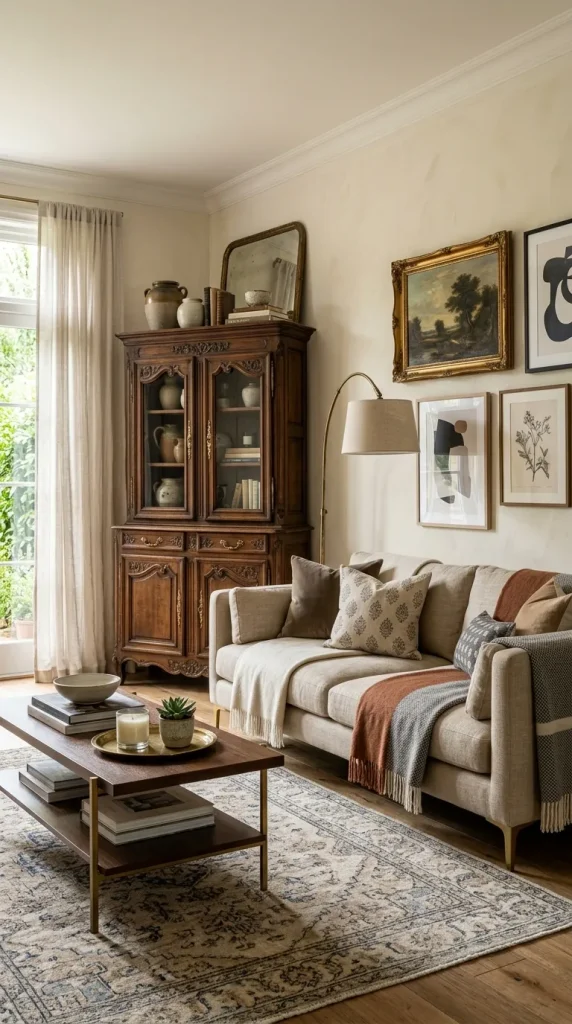
One of the hallmarks of eclectic design is the ability to blend old and new elements seamlessly. Mixing antique furniture with modern decor creates dynamic spaces that feel timeless rather than tied to a specific era.
Begin with a statement antique piece such as a carved wooden dresser, vintage cabinet, or ornate dining table. These items bring craftsmanship, character, and history into the room.
Balance the vintage furniture with contemporary elements. Modern lighting, minimalist artwork, and streamlined upholstery help prevent the space from feeling outdated. The contrast between old and new creates visual excitement and sophistication.
Color plays an important role in maintaining cohesion. Neutral backgrounds allow diverse pieces to coexist harmoniously while accent colors tie everything together.
Textural variety further enhances the design. Pair polished antiques with soft fabrics, natural fibers, and sleek modern surfaces. This layering adds depth and interest.
The result is a space that feels curated, personal, and effortlessly stylish. By combining antique treasures with modern conveniences, homeowners can enjoy the best qualities of both design worlds.
3. Layered Vintage Rugs
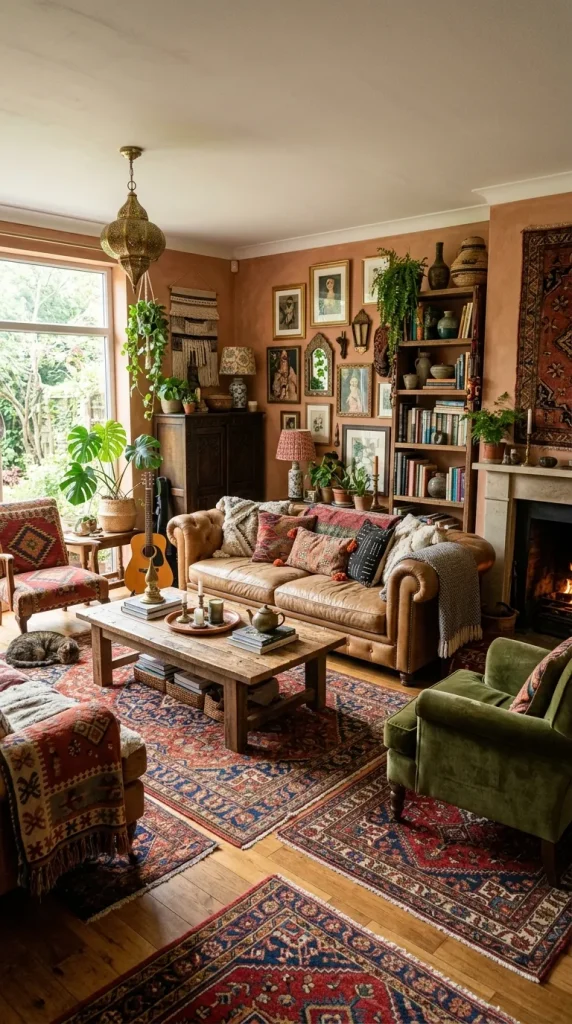
Layering vintage rugs is a powerful way to introduce warmth, color, and texture into an eclectic interior. This approach creates depth while reinforcing the collected and lived-in aesthetic.
Start with a larger neutral rug as the foundation. Then add smaller vintage rugs featuring intricate patterns, faded colors, or traditional motifs. Overlapping different styles creates visual richness without requiring major structural changes.
The beauty of layered rugs lies in their flexibility. They can define seating areas, soften large rooms, and introduce color into neutral spaces.
Pair the rugs with furniture from various eras to enhance the eclectic atmosphere. Antique wood pieces, contemporary seating, and handmade accessories work particularly well together.
The layered effect creates a cozy and inviting environment while showcasing the beauty of vintage textiles.
4. Vintage Reading Corner
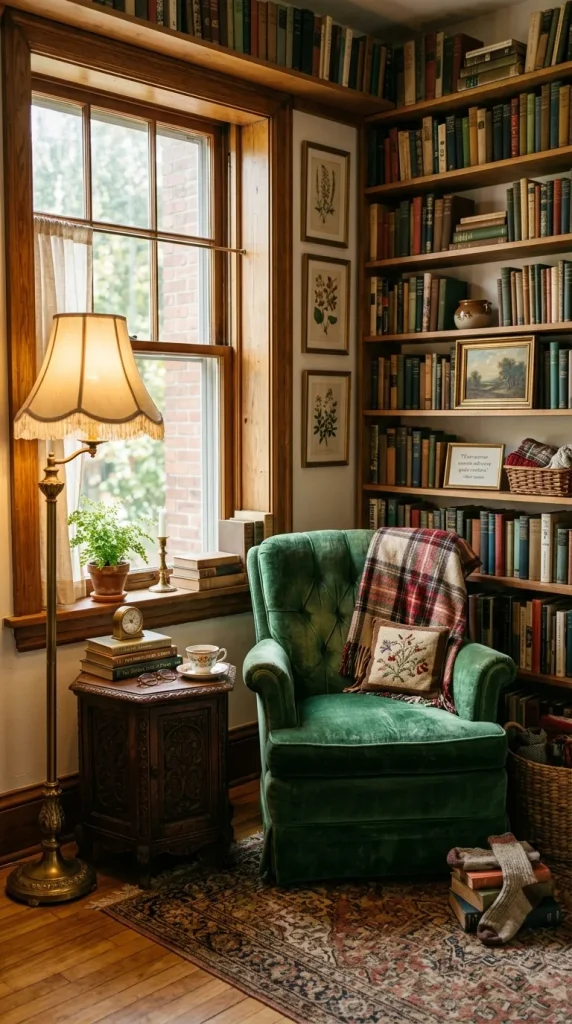
A vintage reading corner provides both function and charm. Start with a comfortable armchair, preferably upholstered in velvet, linen, or patterned fabric.
Add a vintage side table, antique floor lamp, and stack of favorite books. Decorative accessories such as framed artwork, candles, and small plants contribute warmth and personality.
The goal is to create a quiet retreat that feels cozy and inspiring. Rich textures and collected objects make the space feel lived-in and welcoming.
This idea works beautifully in living rooms, bedrooms, and even unused corners that need purpose.
5. Eclectic Dining Room with Collected Pieces
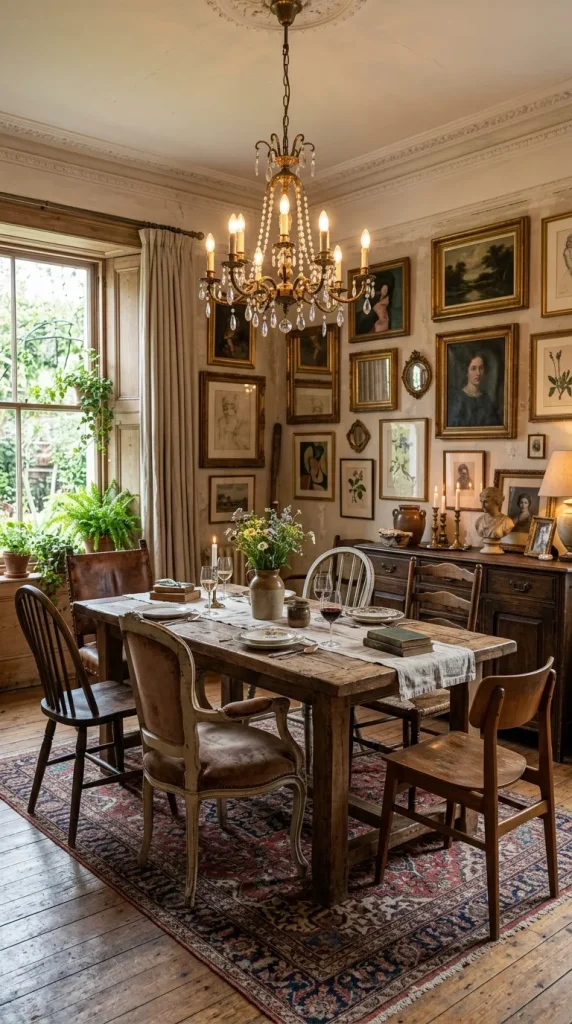
An eclectic dining room celebrates variety while maintaining a welcoming atmosphere. Mix vintage dining chairs, antique cabinets, and modern lighting for a balanced look.
Different furniture styles can coexist successfully when united by color, material, or scale. Decorative table settings and vintage artwork add character and depth.
The room should feel curated rather than coordinated, encouraging conversation and creativity.
This approach transforms dining spaces into memorable environments filled with personality.
6. Vintage Botanical Decor
Botanical themes pair beautifully with vintage eclectic design. Antique botanical prints, preserved plants, ceramic planters, and natural textures create a calming atmosphere.
Layer greenery throughout the room using a mix of plant sizes and containers. Vintage frames and decorative accessories reinforce the theme.
The combination of nature and history creates spaces that feel fresh, timeless, and inviting.

7. Velvet and Brass Eclectic Glamour
Velvet and brass introduce luxury and sophistication to eclectic interiors. Rich upholstery paired with warm metallic accents creates dramatic visual appeal.
Use velvet sofas, chairs, or cushions alongside brass lighting, mirrors, and decorative objects. The contrast between soft fabrics and reflective metals adds depth and elegance.
This combination feels both vintage and contemporary, making it ideal for eclectic spaces.
8. Collected Vintage Bedroom
A collected vintage bedroom emphasizes comfort, character, and individuality. Mix antique furniture, layered textiles, vintage artwork, and meaningful accessories.
Soft bedding, warm lighting, and personal treasures contribute to a relaxing atmosphere. The room should feel curated over time rather than purchased all at once.
This approach creates a bedroom that feels deeply personal and full of charm.

9. Eclectic Entryway with Antique Accents
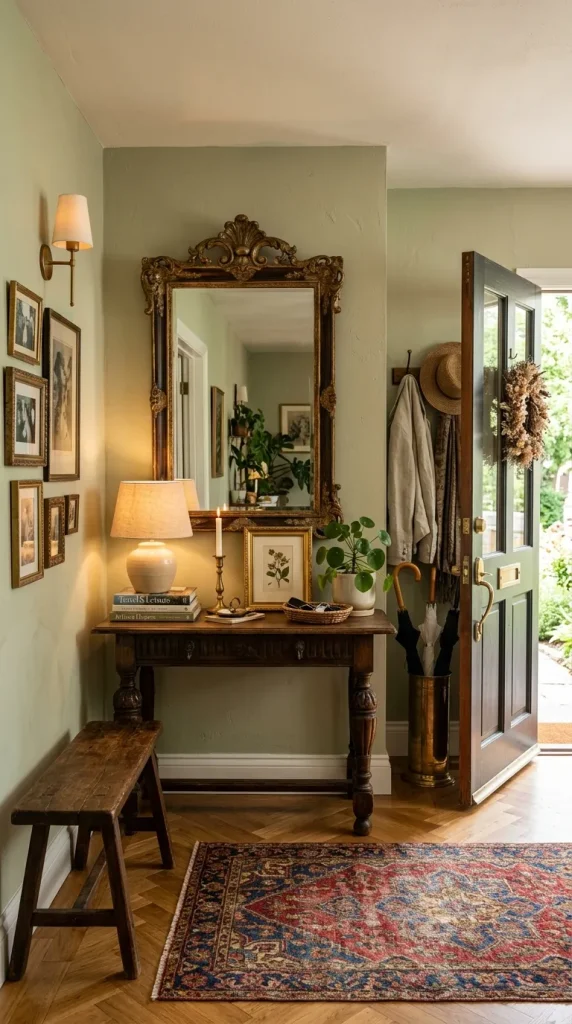
The entryway sets the tone for the rest of the home. Incorporating vintage pieces creates an immediate sense of personality and warmth.
An antique console table, vintage mirror, and collected accessories establish the eclectic aesthetic from the moment guests arrive.
Functional elements such as baskets and storage solutions help maintain organization without sacrificing style.
The result is a welcoming and memorable first impression.
10. Vintage Maximalist Living Space
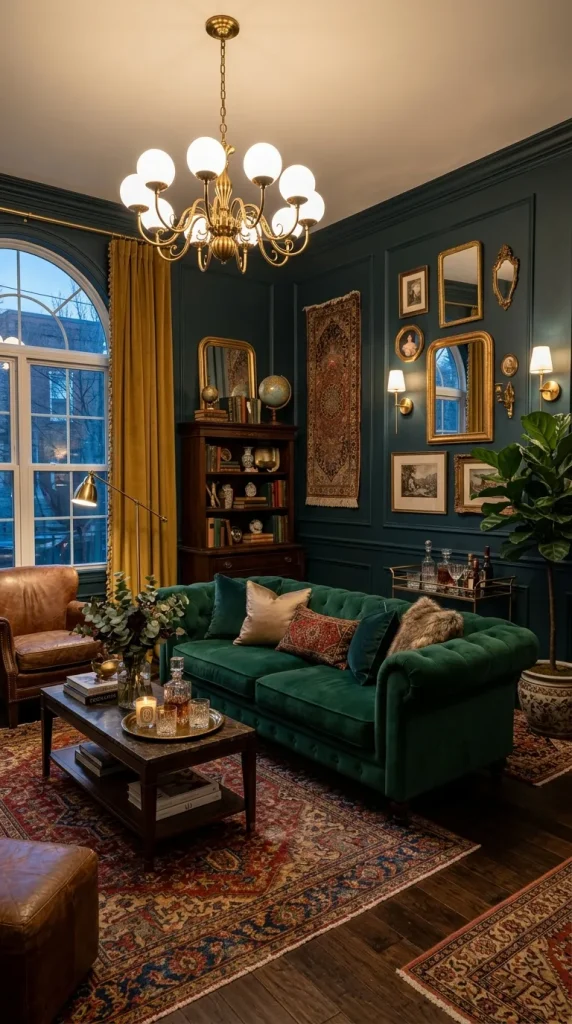
A vintage maximalist living space embraces abundance while remaining thoughtfully curated. Layer artwork, books, textiles, antiques, and decorative objects throughout the room.
The key is creating visual richness without chaos. Repetition of colors, materials, and themes helps maintain balance.
Comfortable seating and warm lighting ensure the room feels inviting despite its abundance of detail.
This design celebrates creativity, individuality, and the joy of surrounding yourself with objects you love.

Final Thoughts
Vintage eclectic interior design offers endless opportunities for creativity and self-expression. By combining antique treasures, modern accents, layered textures, and meaningful collections, you can create spaces that feel unique, inviting, and full of personality. These ten ideas demonstrate how vintage eclectic design transforms ordinary rooms into memorable environments that tell a story and reflect the people who live within them.



Leave a Reply