
Introduction
Designing planters for full sun conditions presents both a challenge and an opportunity. When exposed to intense sunlight for most of the day, plants must withstand heat, evaporation, and often dry soil conditions. However, with thoughtful planning, full sun planters can become some of the most visually striking elements in any outdoor space. They allow for bold colors, dramatic textures, and dynamic arrangements that thrive under bright light rather than struggle against it.

A well-designed full sun planter is not simply a collection of heat-tolerant plants. It is a carefully balanced composition where height, color, structure, and seasonal performance all play a role. The key lies in choosing plants that not only survive but flourish in direct sunlight, while also considering container size, soil quality, and watering strategies.
This guide explores ten full sun planter ideas, each developed with a professional design perspective. These ideas are intended to inspire both beginners and experienced gardeners to create containers that remain vibrant, healthy, and visually engaging throughout the growing season.
1. The Classic Thriller, Filler, Spiller Combination
One of the most reliable and visually pleasing approaches to full sun planters is the “thriller, filler, spiller” method. This design principle ensures balance and depth, making even a single container look lush and intentional.
The “thriller” is the focal point, typically a tall, upright plant that draws the eye upward. In full sun conditions, options like ornamental grasses, cannas, or upright coleus varieties perform exceptionally well. These plants create vertical interest and serve as the backbone of the arrangement.
The “filler” plants occupy the middle space. They add fullness and help soften the transition between the central feature and the edges. Heat-loving plants such as lantana, zinnias, or dwarf marigolds are excellent choices, as they bloom profusely and tolerate intense sunlight.
Finally, the “spiller” cascades over the edges of the container. Trailing petunias, calibrachoa, or sweet potato vine provide movement and soften the structure of the planter. In full sun, these trailing plants often grow vigorously, creating a lush, overflowing effect.
When executed properly, this method ensures that every angle of the planter is visually appealing. It also allows for flexibility, as plant varieties can be swapped seasonally while maintaining the same structural framework.

2. Mediterranean-Inspired Herb Planters
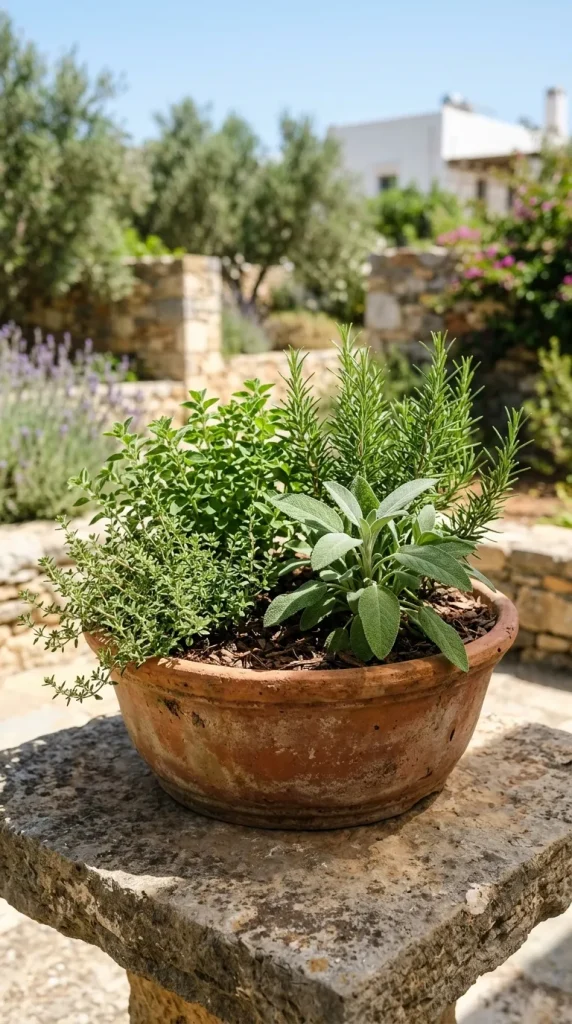
A Mediterranean-style planter thrives in full sun and brings both aesthetic and practical value. This design focuses on herbs that naturally grow in hot, dry climates and require minimal maintenance once established.
Plants such as rosemary, thyme, oregano, and sage are ideal candidates. Their silvery-green foliage reflects sunlight, reducing water loss and preventing scorching. These herbs also release subtle fragrances when brushed against, adding a sensory dimension to your outdoor space.
The visual appeal of this planter lies in its understated elegance. Instead of relying on bright flowers, it emphasizes texture and form. Upright rosemary can act as a central feature, while creeping thyme spills over the edges. Sage provides a soft, velvety contrast with its broad leaves.
Using terracotta or stone containers enhances the Mediterranean aesthetic while also promoting proper drainage. These materials naturally regulate soil temperature, which is essential for herbs that prefer slightly drier conditions.
Beyond beauty, this planter serves a functional purpose. Fresh herbs can be harvested regularly, making it both decorative and useful for cooking. This combination of form and function makes Mediterranean herb planters a timeless choice for full sun areas.
3. Bold Tropical Statement Planters
For those who want to make a dramatic impact, tropical planters are an excellent choice. Full sun conditions mimic the natural environment of many tropical plants, allowing them to thrive and display their bold foliage and vibrant colors.
Plants like hibiscus, canna lilies, and elephant ears can serve as striking focal points. Their large leaves and vivid blooms create a sense of abundance and luxury. Surrounding these with smaller flowering plants such as vinca or portulaca adds layers of color and texture.
The key to a successful tropical planter is scale. Larger containers are necessary to support the root systems of these plants and to maintain consistent moisture levels. Tropical plants often require more water, especially in full sun, so proper soil composition and drainage are essential.
Color plays a significant role in this design. Bright reds, oranges, and yellows evoke warmth and energy, while deep greens provide contrast and depth. When arranged thoughtfully, these planters can transform a simple patio into a lush, resort-like environment.

4. Drought-Tolerant Succulent Containers
Succulents are often associated with indoor arrangements, but many varieties perform exceptionally well in full sun planters. These plants are adapted to store water in their leaves, making them ideal for hot, dry conditions.
A well-designed succulent planter focuses on form and texture rather than flowers. Combining rosette-shaped echeverias with spiky agaves and trailing sedums creates a visually dynamic composition. Each plant contributes a unique shape, resulting in a sculptural arrangement.
The choice of container is crucial. Shallow, wide pots allow for better drainage and prevent water from accumulating around the roots. A well-draining soil mix, often containing sand or perlite, ensures that the plants remain healthy.
Color variation in succulents can be surprisingly rich. Shades of blue, purple, green, and even red emerge more vividly under intense sunlight. This natural color shift adds interest without the need for blooms.
Succulent planters require minimal maintenance, making them an excellent option for those who prefer low-effort gardening. However, occasional watering and protection from extreme weather ensure long-term success.

5. Monochromatic Color Scheme Planters
A monochromatic planter focuses on a single color palette, creating a sophisticated and cohesive look. In full sun conditions, this approach allows the chosen color to appear even more vibrant.
For example, a planter centered around shades of purple might include petunias, verbena, and salvia. Variations in tone—from deep violet to soft lavender—add depth without disrupting the overall harmony.
The success of a monochromatic design lies in contrast through texture and form rather than color. Combining fine, delicate foliage with broader leaves creates visual interest while maintaining the unified palette.
This approach works particularly well in formal settings, where a clean and intentional aesthetic is desired. It can also be used to complement existing architectural elements or outdoor furniture.
Despite its simplicity, a monochromatic planter requires careful plant selection. Ensuring that all chosen plants thrive in full sun is essential to maintaining the integrity of the design throughout the season.

6. Pollinator-Friendly Sun Planters
Creating a planter that attracts pollinators adds both ecological value and visual charm. Bees, butterflies, and other beneficial insects are drawn to bright, nectar-rich flowers that thrive in full sunlight.
Plants such as zinnias, cosmos, and lantana are particularly effective in attracting pollinators. Their open blooms provide easy access to nectar, while their vibrant colors act as natural attractants.
Arranging these plants in clusters rather than scattering them individually increases their visibility and appeal. A dense grouping of flowers creates a more inviting environment for pollinators.
In addition to flowers, incorporating herbs like basil or lavender can enhance the planter’s attractiveness. These plants not only support pollinators but also add fragrance and texture.
A pollinator-friendly planter transforms a simple container into a lively, dynamic ecosystem. Observing the interaction between plants and insects adds an engaging and rewarding dimension to gardening.

7. Edible Full Sun Planters
Edible planters combine beauty with practicality, allowing you to grow vegetables and fruits in containers that receive ample sunlight. Many edible plants require full sun to produce high yields, making them well-suited for this approach.
Tomatoes, peppers, and strawberries are popular choices. These plants not only produce food but also add visual interest with their flowers and fruits. Compact or dwarf varieties are particularly suitable for containers.
Combining edible plants with ornamental elements can enhance the overall design. For instance, pairing leafy greens with colorful flowers creates a balanced and attractive arrangement.
Soil quality and consistent watering are critical for edible planters. Nutrient-rich soil ensures healthy growth, while regular watering prevents stress during hot conditions.
An edible planter offers the satisfaction of harvesting fresh produce while also serving as a decorative feature. It bridges the gap between gardening and culinary creativity.

8. Ornamental Grass Containers
Ornamental grasses bring movement and elegance to full sun planters. Their ability to sway in the breeze adds a dynamic element that static plants cannot provide.
Tall grasses such as fountain grass or feather reed grass can serve as focal points. Their vertical growth contrasts beautifully with lower, spreading plants. Smaller grasses can be used as fillers, adding texture and softness.
These plants are particularly well-suited to full sun conditions, as they often originate from open landscapes. They require relatively low maintenance and can tolerate periods of drought once established.
Combining grasses with flowering plants enhances their visual impact. Bright blooms set against the soft, flowing texture of grass create a striking contrast.
Ornamental grass planters are ideal for modern or minimalist designs, where simplicity and movement take precedence over dense foliage.

9. Rustic Wildflower Planters
A wildflower-inspired planter captures the charm of a natural meadow in a compact form. This approach emphasizes diversity, color, and a slightly untamed aesthetic.
Selecting a mix of sun-loving wildflowers such as coreopsis, blanket flowers, and black-eyed Susans creates a vibrant and ever-changing display. Each plant contributes its own color and form, resulting in a dynamic composition.
The key to achieving a natural look is avoiding overly structured arrangements. Allowing plants to grow freely creates a more authentic and relaxed appearance.
Using weathered or rustic containers enhances the overall theme. Materials such as aged wood or distressed metal complement the informal style of the planter.
Despite its casual appearance, a wildflower planter requires thoughtful plant selection to ensure compatibility and consistent growth in full sun conditions.

10. Seasonal Rotation Planters
A seasonal rotation planter is designed to evolve throughout the year. By changing plants according to the season, the container remains fresh and visually appealing.
In spring, bright annuals such as petunias and pansies can dominate. Summer brings heat-tolerant plants like zinnias and marigolds. In cooler months, ornamental kale or chrysanthemums can take center stage.
This approach requires planning and effort but offers continuous variety. It allows you to experiment with different plant combinations and adapt to changing conditions.
The structure of the planter can remain consistent, with only the plant selection changing. This provides a stable design framework while allowing for seasonal creativity.
Seasonal rotation ensures that your full sun planter never feels stagnant. It reflects the natural rhythm of the year and keeps your outdoor space engaging and dynamic.

Conclusion
Full sun planters offer endless possibilities for creativity and expression. By understanding the unique challenges of intense sunlight and selecting appropriate plants, it is possible to create containers that are both resilient and visually stunning.
Each of the ten ideas presented here provides a different perspective on how to approach full sun gardening. Whether you prefer bold tropical displays, understated herb arrangements, or dynamic seasonal rotations, there is a design that can suit your style and environment.
The key to success lies in thoughtful planning, proper plant selection, and consistent care. With these elements in place, full sun planters can become a defining feature of your outdoor space, offering beauty and vitality throughout the growing season.





Leave a Reply