
Introduction
Low maintenance flower beds are a practical solution for creating attractive outdoor spaces without constant upkeep. These designs focus on efficient planning, durable materials, and plant choices that require minimal care. This article explains how to develop simple, structured flower beds that support long-term growth while reducing time spent on watering, weeding, and trimming in everyday gardening routines.

This guide presents clear, step by step methods for building functional and aesthetic flower beds using accessible materials and beginner friendly techniques. Readers will learn how to plan layouts, select suitable plants, and apply creative ideas that align with modern design and minimalist style. The goal is to support an easy project that combines beauty with efficiency.
Why This Idea Is Trending or Useful
Low maintenance flower bed ideas are widely shared on Pinterest because they combine visual appeal with practical benefits. Many homeowners prefer outdoor spaces that remain attractive without demanding daily care. These designs align with modern lifestyles where time for gardening may be limited, making them highly relevant for busy individuals seeking functional home decor solutions.
Another reason for their popularity is accessibility. These creative ideas often rely on simple materials and easy planning methods, making them beginner friendly. The DIY approach allows individuals to build customized layouts based on space and budget. Additionally, minimalist style and clean garden organization contribute to a polished aesthetic that fits current design trends.
Materials and Preparation
Creating a low maintenance flower bed starts with proper planning and material selection. Common materials include landscape fabric, mulch, gravel, edging stones, and drought-tolerant plants. Basic tools such as a shovel, rake, gloves, and watering equipment are also necessary. These elements support durability and reduce long-term maintenance requirements.
Preparation involves clearing the area, removing weeds, and leveling the soil. Installing a weed barrier helps prevent unwanted growth, while proper spacing ensures plants have room to expand. Planning the layout in advance improves organization and helps maintain a balanced design. This step is essential for achieving a structured and efficient flower bed.
Idea 1: Gravel and Drought-Tolerant Flower Bed
How to Create
This design focuses on combining gravel with hardy plants that require minimal watering. Gravel acts as a long-lasting ground cover that reduces weed growth and retains soil moisture. Drought-tolerant plants such as succulents and ornamental grasses are commonly used in this setup. The overall result is a clean, modern design with a strong visual structure.
To create this flower bed, begin by clearing the area and laying landscape fabric. Add a layer of gravel evenly across the surface. Arrange plants with proper spacing to allow growth. Water lightly during the initial stage until plants establish roots. This setup minimizes maintenance while maintaining a neat and aesthetic appearance.

Idea 2: Mulch-Based Minimalist Flower Bed
Step-by-Step Guide
A mulch-based flower bed is one of the most effective low maintenance solutions. Mulch helps retain moisture, regulate soil temperature, and prevent weed growth. This design works well with perennial plants that return each year, reducing the need for replanting. The natural texture of mulch enhances the aesthetic appeal of the garden.
Start by preparing the soil and removing weeds thoroughly. Apply a thick layer of mulch across the bed. Plant selected flowers with enough spacing for growth. Reapply mulch periodically to maintain effectiveness. This approach supports long-term organization and reduces overall gardening effort.

Idea 3: Raised Bed with Defined Edging
How to Make
Raised flower beds provide better control over soil quality and drainage. Defined edging keeps the structure organized and prevents soil from spreading. This idea works well for small spaces and adds a structured look to outdoor areas. It is also easier to maintain compared to traditional ground-level beds.
Build a raised frame using wood or stone materials. Fill it with nutrient-rich soil and plant low maintenance flowers. Ensure proper spacing and water during initial growth. The elevated design reduces weed intrusion and simplifies maintenance tasks.

Idea 4: Native Plant Flower Bed
Execution Process
Using native plants is an effective way to create a sustainable flower bed. These plants are adapted to local conditions and require less water and care. This approach supports environmental balance while reducing maintenance needs. It also ensures long-term plant health with minimal intervention.
Select plants that naturally thrive in your region. Prepare the soil and plant them according to spacing guidelines. Water initially, then reduce frequency as plants establish. This method creates a resilient and efficient garden design.

Idea 5: Rock Garden Flower Bed
Setup Method
Rock gardens combine stones with low-growing plants to create a natural and durable design. The use of rocks reduces soil exposure and prevents weed growth. This idea is suitable for areas with limited water availability and supports a minimalist style.
Arrange rocks strategically to form a structured layout. Add soil between gaps and plant hardy species. Ensure proper drainage to avoid water accumulation. This setup requires minimal upkeep and offers long-lasting visual appeal.

Idea 6: Perennial Flower Bed Design
How to Create
Perennial flower beds focus on plants that regrow each year, reducing the need for replanting. This approach ensures continuity and stability in the garden. It also minimizes maintenance while maintaining consistent aesthetics.
Choose a mix of perennials with different blooming periods. Prepare the soil and plant them in organized patterns. Water during early stages and monitor growth. This design supports efficient planning and long-term results.

Idea 7: Ground Cover Flower Bed
Step-by-Step Guide
Ground cover plants spread across the soil, creating a dense layer that prevents weeds. This design reduces maintenance and provides a uniform appearance. It is ideal for large areas where traditional planting may require more effort.
Prepare the soil and plant ground cover species evenly. Ensure proper spacing for spreading. Water until plants establish, then reduce frequency. This approach creates a self-sustaining and organized flower bed.

Idea 8: Container-Based Flower Bed Arrangement
How to Make
Container flower beds offer flexibility and easy maintenance. They allow for controlled planting and can be rearranged as needed. This idea is suitable for small spaces and supports creative organization.
Select durable containers and fill them with quality soil. Plant low maintenance flowers and arrange containers in a balanced layout. Water as needed and reposition when necessary. This method provides a versatile and beginner friendly solution.

Idea 9: Evergreen Plant Flower Bed
Execution Process
Evergreen plants maintain their appearance throughout the year, reducing seasonal maintenance. This design ensures consistent greenery and structure. It is suitable for creating a stable and long-lasting garden layout.
Choose evergreen species and plant them with proper spacing. Prepare the soil and ensure good drainage. Water during initial growth stages. This setup requires minimal upkeep and provides year-round aesthetic value.

Idea 10: Symmetrical Minimalist Flower Bed
Setup Method
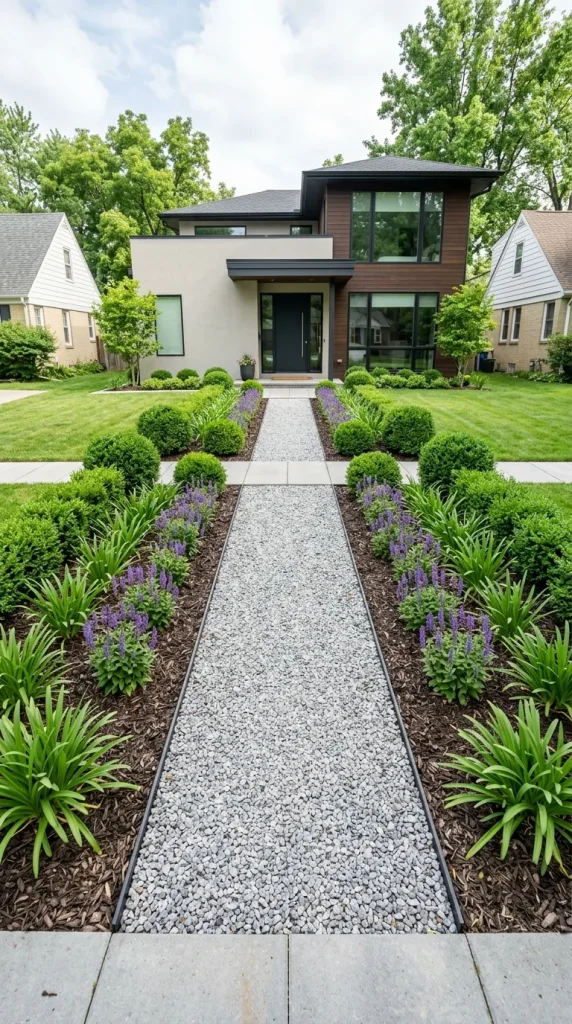
A symmetrical flower bed focuses on balance and simplicity. This design uses repeated patterns and clean lines to create a modern look. It is easy to maintain and visually appealing.
Plan a symmetrical layout before planting. Use identical plants on both sides for consistency. Maintain spacing and apply mulch or gravel for coverage. This approach supports organization and enhances overall garden design.
Common Beginner Mistakes and How to Avoid Them
One common mistake is overcrowding plants, which leads to poor growth and increased maintenance. Proper spacing is essential for healthy development. Another issue is neglecting soil preparation, which affects plant health and longevity. Using a weed barrier and choosing appropriate materials can prevent these problems.
Overwatering is another frequent error. Many low maintenance plants require minimal watering once established. Planning the layout carefully and selecting suitable plants helps avoid unnecessary effort. Following a structured approach ensures better results.
Practical Tips for Better Results
Consistent planning improves efficiency in any DIY flower bed project. Choosing plants with similar care requirements simplifies maintenance. Using mulch or gravel reduces weed growth and enhances moisture retention. These methods support long-term success.
Regular monitoring during the initial stages ensures plants establish properly. Simple adjustments in spacing or watering can improve outcomes. Keeping the design minimal and organized helps maintain a clean and aesthetic appearance.
Styling, Presentation, or Organization Ideas
Styling plays an important role in enhancing the visual appeal of flower beds. Using consistent materials such as gravel or mulch creates a cohesive look. Organized layouts with defined edges improve structure and clarity in design.
Adding simple decorative elements such as stones or pathways enhances presentation. Maintaining symmetry or repeating patterns supports a modern design approach. These ideas contribute to a polished and attractive outdoor space.
Budget or Time Planning
Low maintenance flower beds can be created within a reasonable budget by selecting affordable materials and plants. Planning in advance helps avoid unnecessary expenses. Using locally available resources reduces costs further.
Time management is also important. Completing the project in stages allows better control and reduces workload. Focusing on simple designs ensures faster execution while maintaining quality results.
Creative Expansion and Advanced Inspiration
Advanced variations of low maintenance flower beds include combining different materials such as wood, stone, and gravel. Layering plants with varying heights adds depth and dimension. These creative ideas enhance the overall design.
Incorporating pathways or lighting elements can further improve functionality and appearance. Experimenting with layout patterns allows customization based on space. These approaches provide inspiration for expanding basic designs into more advanced projects.




Leave a Reply