
Introduction
Worm composting is a practical and space-efficient method for turning kitchen waste into nutrient-rich compost using simple, controlled systems. This article presents clear Pinterest ideas focused on building functional and aesthetic DIY worm compost bins. Readers will learn structured approaches, materials, and step by step methods to create systems suitable for different spaces.
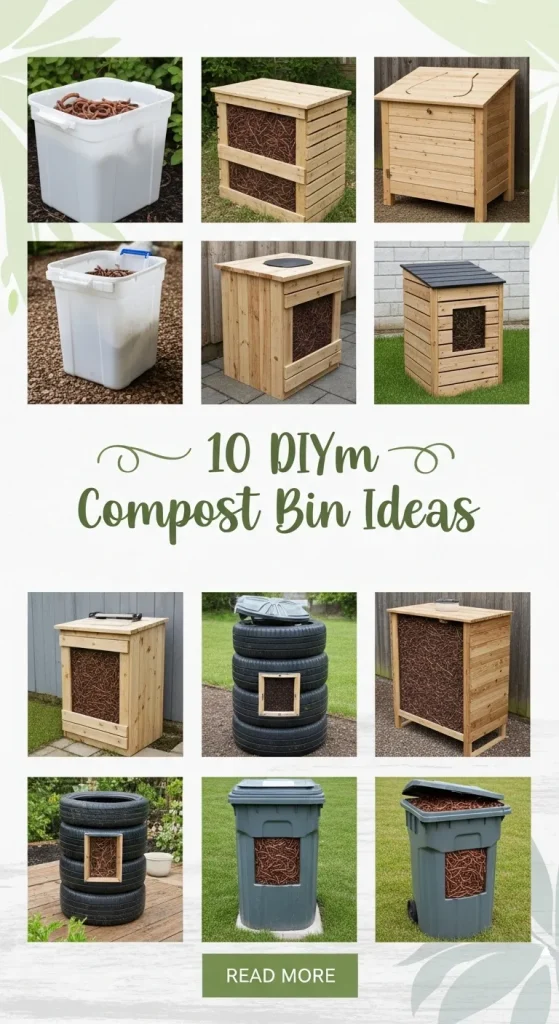
These creative ideas are useful for improving home organization, reducing waste, and supporting sustainable home decor practices. Each method is designed to be beginner friendly while maintaining a clean, modern design. The guide explains preparation, construction, and practical use, ensuring every project remains realistic, efficient, and easy to maintain.
Why This Idea Is Trending or Useful
DIY worm compost bins are gaining popularity due to increased interest in sustainable living and efficient waste management. Pinterest ideas often focus on solutions that combine functionality with visual appeal, making worm bins suitable for both indoor and outdoor environments. These systems support organic waste reduction while producing compost that can be reused in gardens or indoor plants.
The appeal lies in accessibility and adaptability. Most designs use affordable materials and simple tools, making them ideal budget ideas for beginners. The projects align with minimalist style and modern design trends by keeping spaces organized and clean. Additionally, the process itself is a creative project that encourages hands-on learning and long-term environmental awareness.
Materials and Preparation
Before starting any worm compost bin DIY project, proper planning ensures better results. Common materials include plastic containers, wooden boxes, storage bins, or repurposed household items. Tools may include drills, cutters, measuring tape, and ventilation mesh. Bedding materials such as shredded paper, cardboard, or coconut coir are also required to create a suitable environment for worms.
Preparation involves selecting a location with stable temperature and limited direct sunlight. Proper airflow and drainage must be planned to avoid moisture buildup. Beginners should also consider bin size based on available space and waste volume. Cleaning materials beforehand and organizing tools simplifies the execution process. Clear planning reduces errors and ensures the system remains functional and easy to maintain.
Idea 1: Stackable Plastic Bin System
How to Create
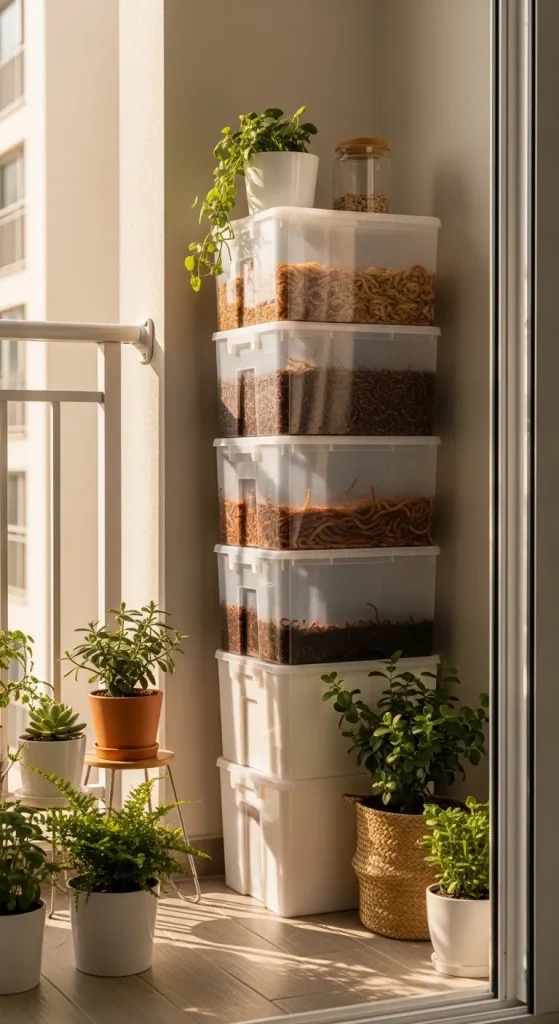
This design uses multiple stackable containers to create a vertical composting system. It is a popular Pinterest idea due to its compact structure and efficient layering method. Each bin serves a different stage of composting, allowing continuous processing of organic waste. The aesthetic remains clean and suitable for indoor organization or small balcony setups.
To build this system, select two to four plastic bins of identical size. Drill small ventilation holes along the sides and base of each upper bin while leaving the bottom bin intact for liquid collection. Add bedding materials and introduce worms into the top bin. As waste accumulates, worms migrate upward, making harvesting compost easier. This step by step method ensures smooth operation and minimal maintenance.
Idea 2: Wooden Box Worm Bin
Step-by-Step Guide
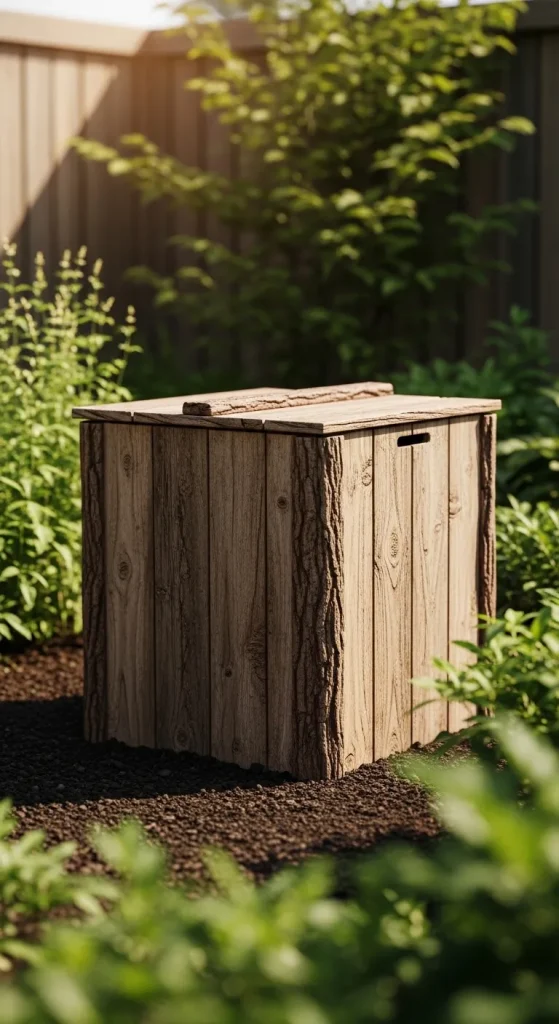
A wooden worm compost bin offers a natural and durable structure that blends with home decor. This design is suitable for outdoor use and aligns with minimalist style trends. The wood provides insulation, helping maintain stable conditions for worms while also adding aesthetic value to the space.
To construct this bin, use untreated wooden planks to build a rectangular box with a lid. Drill ventilation holes along the sides and create a slightly raised base for airflow. Line the interior with breathable fabric to prevent worms from escaping. Add bedding materials and organic waste gradually. This setup method ensures durability while maintaining proper moisture balance and airflow.
Idea 3: Bucket Compost System
How to Make
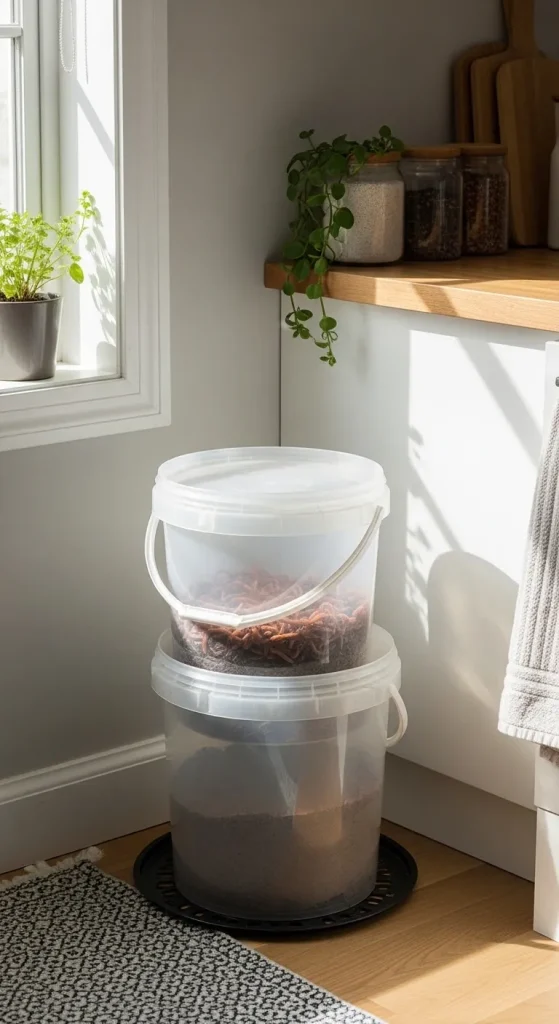
The bucket system is an easy project designed for beginners with limited space. It uses simple materials and requires minimal setup. This method is often featured in Pinterest ideas due to its affordability and portability. It works well for small households or apartment settings.
To create this system, use two buckets of the same size. Drill drainage holes in the upper bucket and place it inside the lower one to collect excess liquid. Add bedding materials and introduce worms. Regularly layer food scraps and maintain moisture levels. This execution process ensures proper composting without requiring complex tools or large space.
Idea 4: Drawer-Style Worm Bin
How to Create
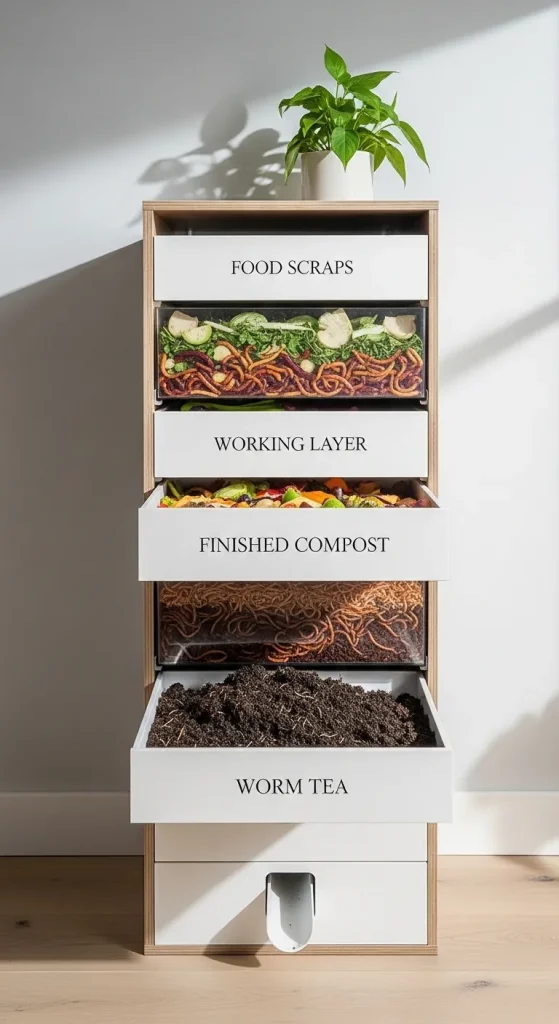
A drawer-style worm bin is designed for easy access and organized composting. It follows a structured layout where each drawer represents a composting stage. This concept supports efficient organization and is visually aligned with modern design trends.
To build this system, repurpose a storage drawer unit. Drill ventilation holes in each drawer and add mesh lining for airflow. Place bedding and worms in the top drawer and gradually move waste downward as it decomposes. This step by step approach simplifies harvesting and reduces handling effort while maintaining a clean structure.
Idea 5: Vertical Tube Worm Bin
Execution Process
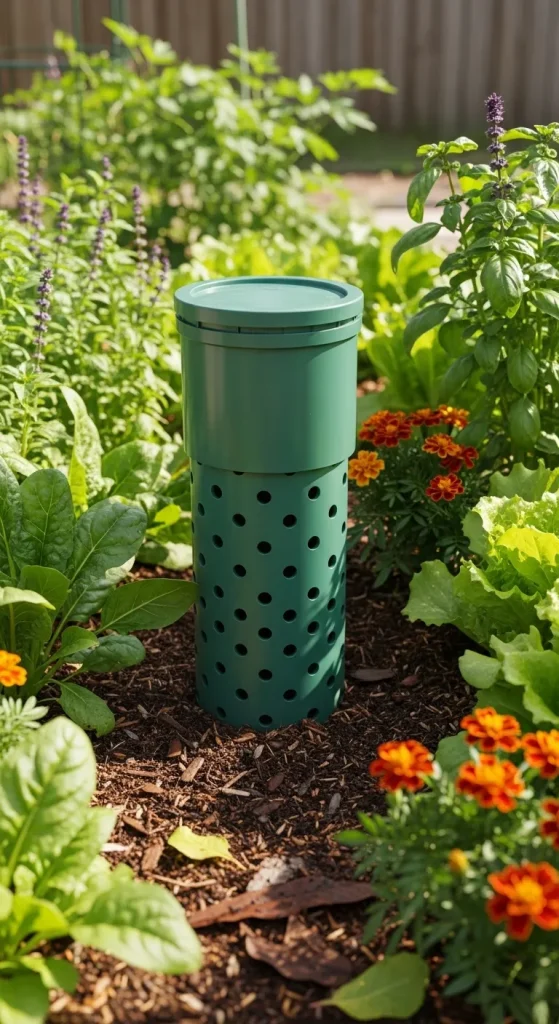
The vertical tube design is a space-saving solution ideal for small gardens or patios. It allows composting directly in soil, making it a functional and aesthetic addition to outdoor spaces. This design is often used in creative ideas for sustainable gardening.
To construct this bin, use a PVC pipe or similar tube. Drill holes along its length and bury it partially in soil. Add kitchen waste and worms into the tube. The surrounding soil benefits directly from compost nutrients. This method reduces maintenance while improving soil quality naturally.
Idea 6: Indoor Decorative Worm Bin
Setup Method
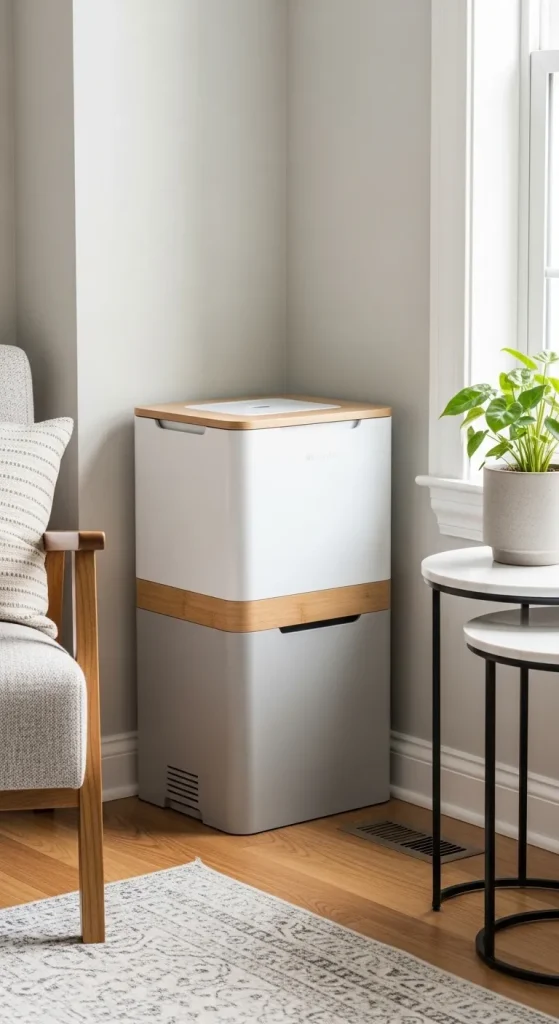
This idea focuses on combining functionality with home decor. The bin is designed to blend seamlessly into indoor spaces, making composting visually appealing. It is ideal for those interested in aesthetic and handmade projects.
To create this bin, use a decorative container with a lid. Add hidden ventilation holes and line the interior with breathable material. Use neutral colors or minimalist finishes to match interior design. Maintain proper layering of bedding and waste. This approach ensures the bin remains both functional and visually integrated into the home.
Idea 7: Rolling Compost Bin
How to Create
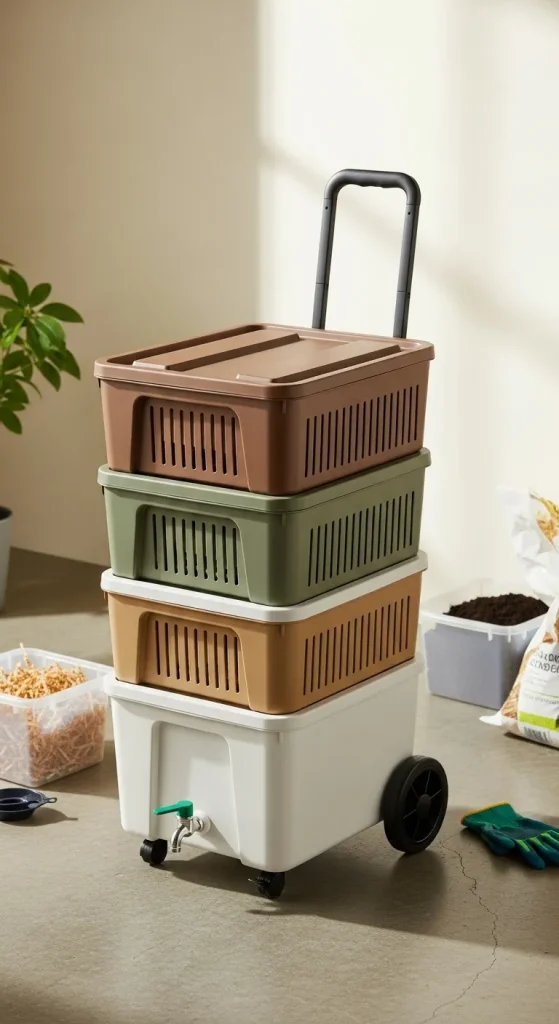
A rolling worm compost bin improves mobility and convenience. It is suitable for users who need to move the bin between indoor and outdoor spaces. This concept aligns with practical Pinterest ideas focused on flexibility and ease of use.
To build this system, attach wheels to a sturdy container. Drill ventilation and drainage holes, and add bedding materials. Ensure the lid fits securely to prevent spills during movement. The rolling feature allows easy repositioning, making maintenance and cleaning more manageable.
Idea 8: Hanging Worm Bin
Step-by-Step Guide
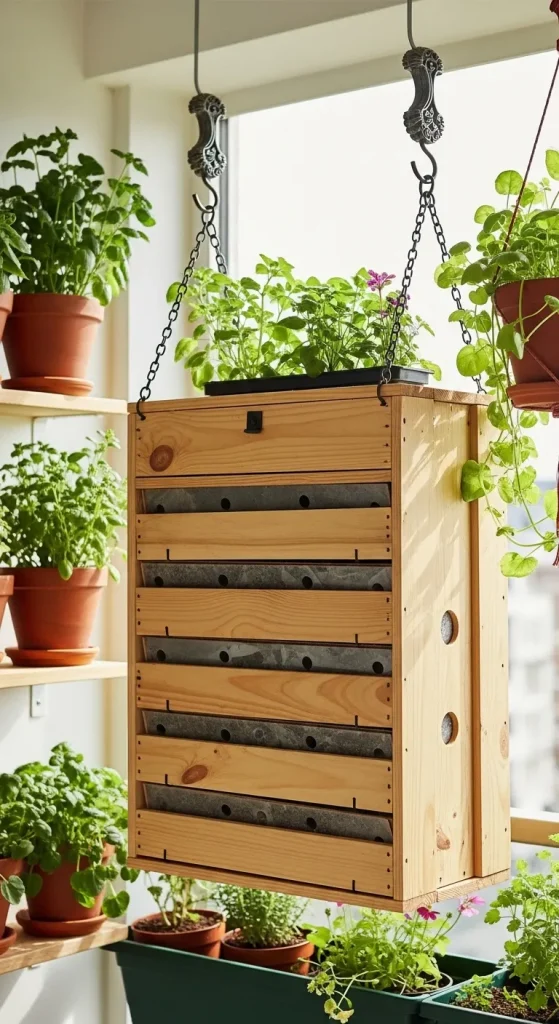
A hanging worm bin is designed for vertical space utilization. It is ideal for balconies or small apartments where floor space is limited. This design reflects creative ideas for compact living solutions.
To create this system, use a durable container with reinforced handles. Drill ventilation holes and hang it securely using strong hooks or brackets. Add bedding and worms, ensuring proper weight distribution. This setup allows efficient composting while maximizing available space.
Idea 9: Recycled Storage Box Bin
How to Make
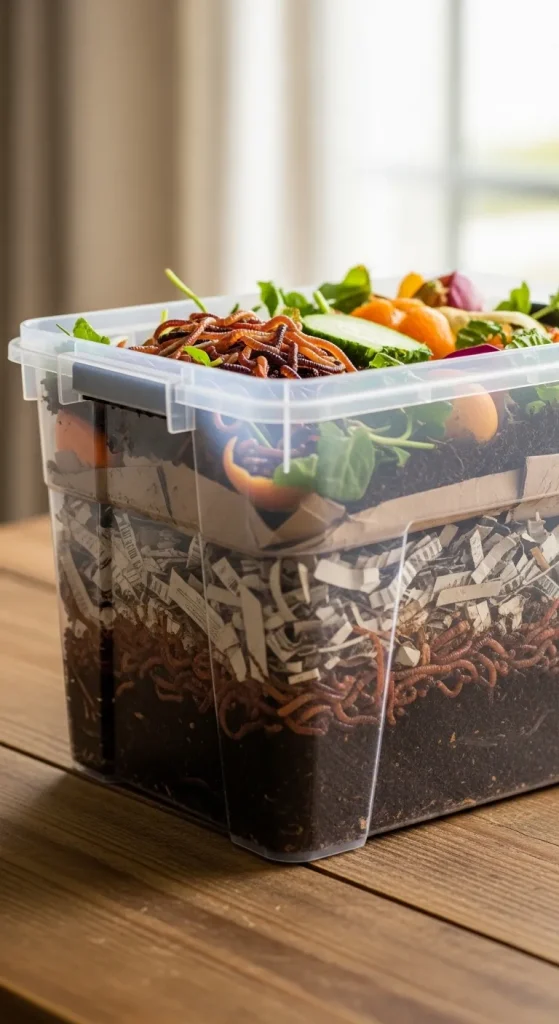
This project focuses on sustainability by using recycled materials. It is one of the most accessible DIY projects, requiring minimal cost and effort. It supports eco-friendly practices while maintaining practical functionality.
To build this bin, repurpose an old storage box. Drill ventilation holes and add a drainage layer at the bottom. Introduce bedding and worms, and maintain moisture balance. This method demonstrates how simple materials can be transformed into effective composting systems.
Idea 10: Multi-Chamber Worm Farm
Execution Process
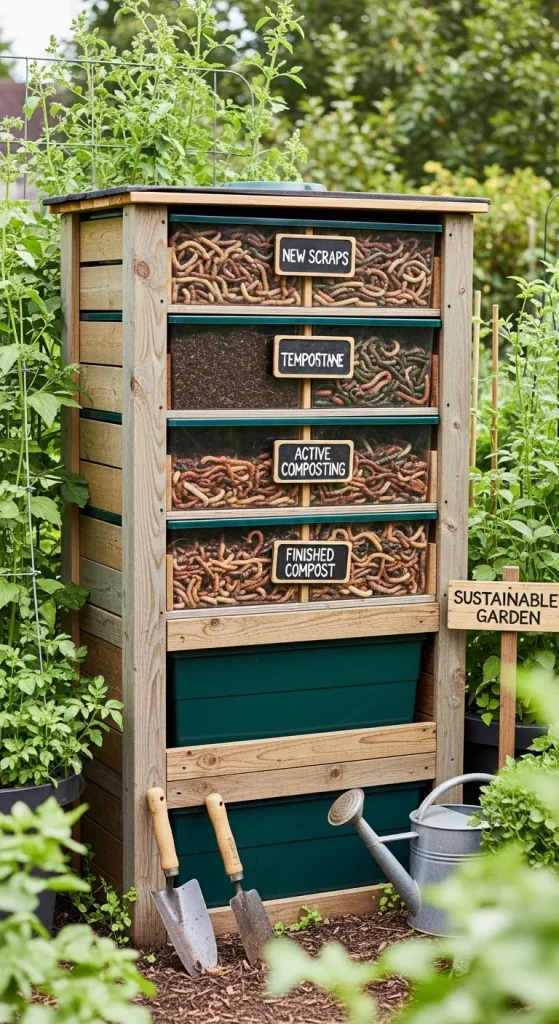
The multi-chamber worm farm is a more advanced design that improves efficiency and compost separation. It is suitable for users looking to expand their composting system while maintaining organization.
To construct this bin, divide a large container into multiple sections. Each chamber serves a specific stage of composting. Add ventilation holes and ensure proper airflow between sections. Gradually move compost materials through each chamber. This system allows continuous production while keeping the process structured and efficient.
Common Beginner Mistakes and How to Avoid Them
One common mistake is overfeeding worms, which can lead to odor and imbalance in the bin. Beginners often add too much waste without allowing time for decomposition. Maintaining proper moisture levels is also essential, as excessive water can reduce airflow. Another issue is insufficient ventilation, which can create anaerobic conditions.
To avoid these problems, add waste gradually and monitor the bin regularly. Ensure proper drainage and airflow by checking holes and bedding condition. Use balanced materials such as dry paper and organic scraps. Consistent observation helps maintain a healthy composting environment.
Practical Tips for Better Results
Maintaining a consistent routine improves compost quality. Regularly check moisture levels and adjust bedding materials as needed. Keeping the bin in a stable environment helps worms remain active and productive. Using smaller food scraps speeds up decomposition and reduces maintenance effort.
Proper layering is also important. Alternate between dry and wet materials to maintain balance. Avoid adding harmful substances such as oily or processed food. Following these practical steps ensures the system remains efficient and easy to manage.
Styling, Presentation, or Organization Ideas
A well-designed worm compost bin can complement home decor while remaining functional. Using neutral colors and clean lines supports a minimalist style. Organizing tools and materials nearby improves workflow and accessibility.
Labeling sections or compartments helps maintain clarity in multi-stage systems. Decorative elements such as wooden finishes or structured containers enhance visual appeal. Keeping the setup clean and organized ensures it integrates seamlessly into the living space.
Budget or Time Planning
Most DIY worm compost bins can be completed using affordable materials. Planning ahead reduces unnecessary expenses and ensures efficient use of resources. Simple designs require minimal time, making them suitable for beginners.
Allocating time for setup, monitoring, and maintenance ensures long-term success. Breaking the process into manageable steps simplifies execution. Budget ideas such as repurposing materials further reduce costs while maintaining functionality.
Creative Expansion and Advanced Inspiration
Once basic systems are established, users can explore advanced variations. Expanding bin size or adding multiple chambers increases compost output. Integrating bins into garden systems improves efficiency and sustainability.
Creative projects may include combining compost bins with planting systems or experimenting with different materials. Exploring new designs enhances both functionality and visual appeal. These ideas encourage continuous improvement and innovation in DIY composting systems.




Leave a Reply