
Introduction
Glass doors are one of the easiest ways to make a home feel brighter, more spacious, and visually connected. Unlike solid doors, glass allows natural light to travel between spaces while still providing separation when needed. With so many frame styles, glass finishes, opening mechanisms, and materials available, glass doors can work with almost any interior design style.
Whether you want a dramatic entrance, a modern room divider, a stylish patio connection, or a practical bathroom door, there are plenty of glass door design ideas to explore. Clear glass can create an open feeling, frosted glass can provide privacy, and textured or reeded glass can add character while filtering light.
The frame is equally important. Black metal frames create an industrial or contemporary appearance, while natural wood frames feel warmer and more traditional. Frameless designs offer a sleek minimalist look, and white frames can blend beautifully into bright interiors.
When choosing a glass door, consider where it will be installed, how much privacy is required, how frequently it will be used, and how it will coordinate with the rest of the home.
Below are 10 stylish glass door ideas that combine functionality, natural light, privacy, and beautiful interior design.
1. Black-Framed Glass Door
A black-framed glass door is a timeless choice for modern and industrial interiors. The strong dark frame creates a beautiful contrast against light walls and allows the glass panels to become part of the architecture.
Materials Used
Use clear tempered glass, a black metal frame, matching hinges, door handles, and appropriate installation hardware.
How to Style It
Install the door between a living room and home office, dining room, kitchen, or hallway. Multiple glass panels can create a classic grid pattern.
Pair the door with light walls, neutral furniture, natural wood, and simple black accents.
A black-framed door works particularly well when other details in the room repeat the same finish. Black lighting fixtures, cabinet handles, picture frames, and furniture legs can create visual continuity.
For a softer appearance, combine the dark frame with beige upholstery and warm wood.
This style offers the architectural character of an industrial door while still allowing natural light to pass between rooms.

2. Frosted Glass Door for Privacy
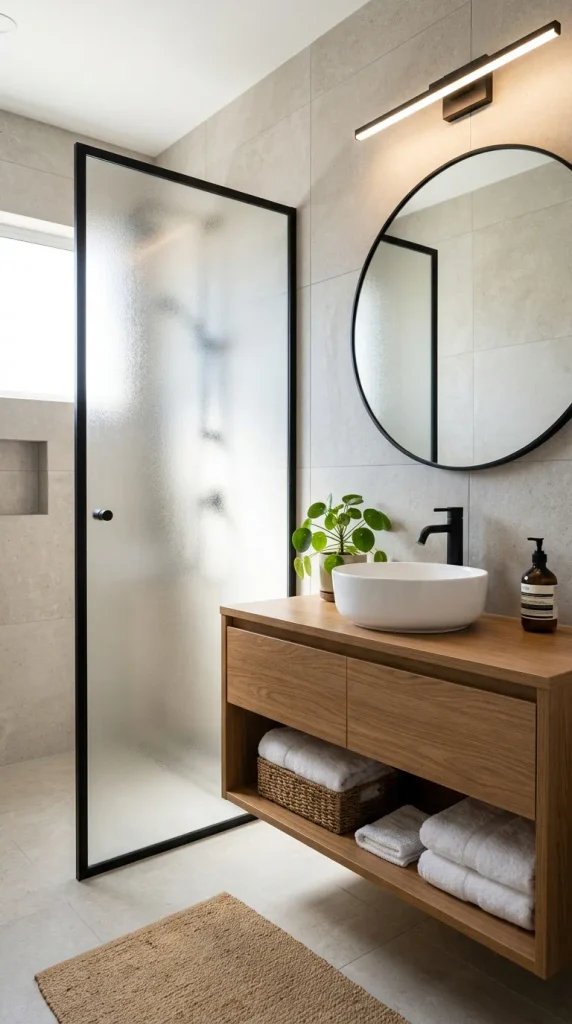
Frosted glass provides a practical balance between natural light and privacy. It is especially useful in bathrooms, bedrooms, offices, and other areas where completely transparent glass may not be appropriate.
Materials Used
Choose frosted or privacy glass, a suitable frame, door handle, hinges, and installation hardware.
How to Style It
A frosted glass door can be paired with almost any frame color. White creates a clean appearance, black feels contemporary, and natural wood creates warmth.
Use frosted glass between a bedroom and bathroom or in a home office where you want light without a completely open view.
Keep the surrounding décor simple so the soft appearance of the glass remains noticeable.
For a modern bathroom, combine frosted glass with light stone, neutral tiles, warm wood, and simple black or brushed-metal hardware.
The slightly blurred appearance creates privacy while still allowing daylight to illuminate the space.
3. Sliding Glass Barn Door
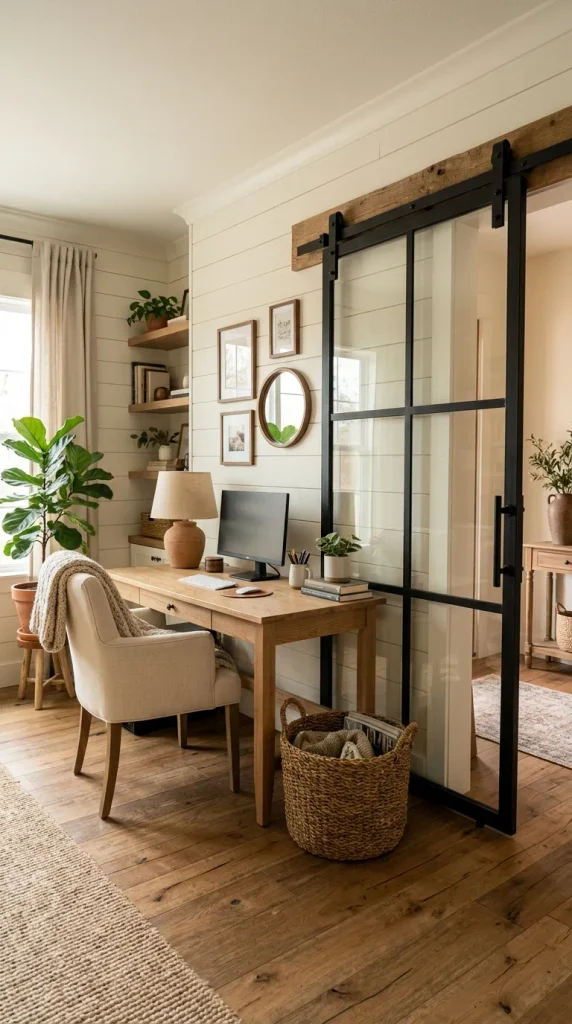
A sliding glass barn door can save floor space while creating an attractive architectural feature. It is especially useful in smaller homes where a traditional swinging door may interfere with furniture or walking paths.
Materials Used
Use a glass panel, metal or wooden frame, sliding track, rollers, handle, and appropriate safety glass.
How to Style It
Choose a black metal frame for a modern farmhouse or industrial look. A wooden frame can create a warmer rustic appearance.
The sliding track itself can become a decorative detail, so choose hardware that complements the room.
This design works well for home offices, pantries, laundry rooms, bedrooms, and dining areas.
Because the door slides along the wall rather than swinging open, make sure there is enough clear wall space beside the opening.
For Pinterest-style styling, combine the door with natural wood furniture, woven baskets, neutral textiles, and warm lighting.
4. French Glass Door Design
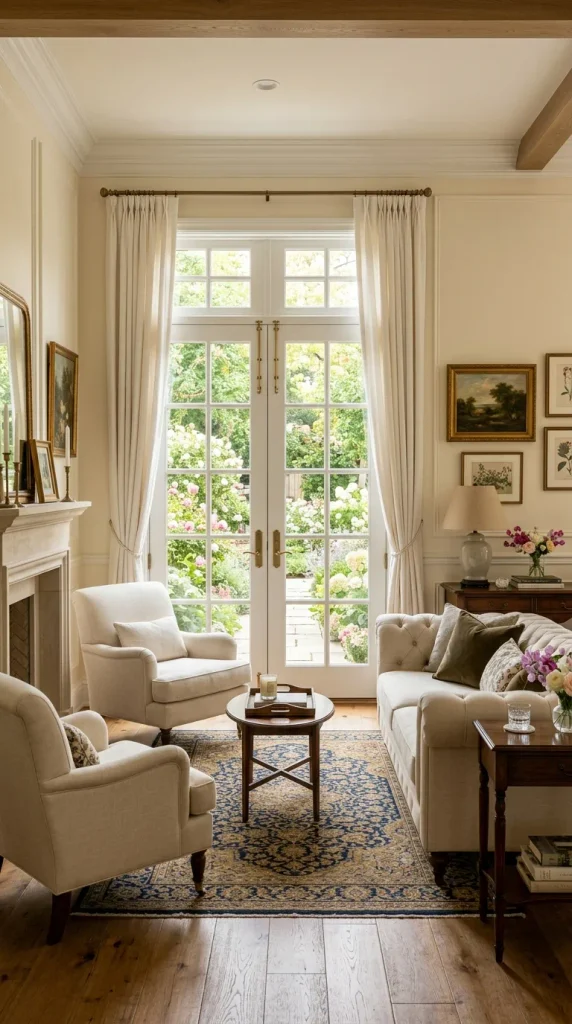
French-style glass doors feature multiple glass panels and symmetrical framing. They can add elegance and architectural character while maintaining visual openness between rooms.
Materials Used
Use clear or lightly textured glass panels, painted or wooden frames, hinges, handles, and appropriate safety hardware.
How to Style It
Install French glass doors between a living room and dining room, office, library, or hallway.
White frames can create a classic cottage-inspired appearance, while black frames provide a more modern interpretation.
Pair them with traditional furniture, neutral walls, framed artwork, and elegant lighting.
French doors work particularly well when you want a room to feel connected without completely removing the boundary between spaces.
For a sophisticated look, use matching pairs of doors where the room layout allows.
The symmetry of the design naturally creates an elegant focal point.
5. Reeded Glass Door
Reeded glass, also called ribbed or fluted glass, is an excellent option when you want something more decorative than clear glass while maintaining a bright atmosphere.
Materials Used
Choose reeded glass, a slim metal or wooden frame, matching hardware, and appropriate safety glazing.
How to Style It
The vertical texture of reeded glass can make a door feel sophisticated and contemporary.
Use it for bathrooms, bedrooms, offices, closets, or interior room dividers.
The textured surface partially obscures the view while allowing light to pass through.
Pair reeded glass with warm wood, brushed brass, natural stone, and neutral colors for an organic modern look.
A black frame can make the texture more dramatic, while a minimal frameless design can emphasize the glass itself.
This is an especially attractive choice when you want privacy without using an opaque solid door.

6. Frameless Glass Door
Frameless glass doors offer one of the cleanest and most minimalist appearances. Without a prominent frame, the glass seems to blend into the surrounding architecture.
Materials Used
Use thick tempered or laminated safety glass, minimalist hinges, discreet handles, and appropriate mounting hardware.
How to Style It
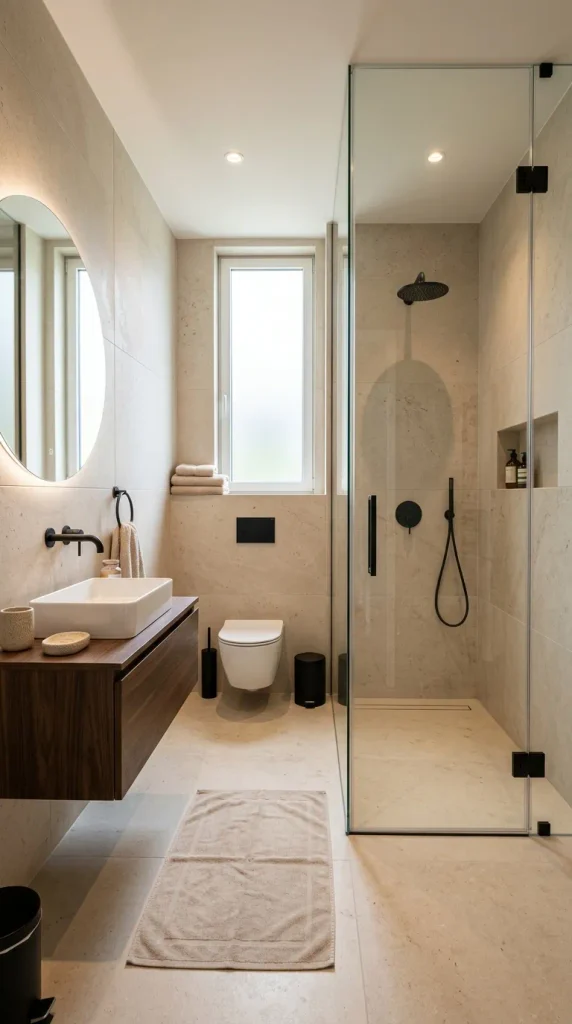
A frameless design works particularly well in contemporary bathrooms, modern interiors, and minimalist spaces.
Keep the surrounding materials simple. Large-format tiles, smooth walls, natural stone, and streamlined furniture can complement the clean appearance.
For a bathroom, pair the door with a frameless shower enclosure for a cohesive look.
For interior spaces, use a frameless glass door when you want maximum visual openness.
Because there are fewer visible structural elements, surrounding details become more important. Make sure the edges, hardware, and installation are professionally finished.
7. Wood-and-Glass Door
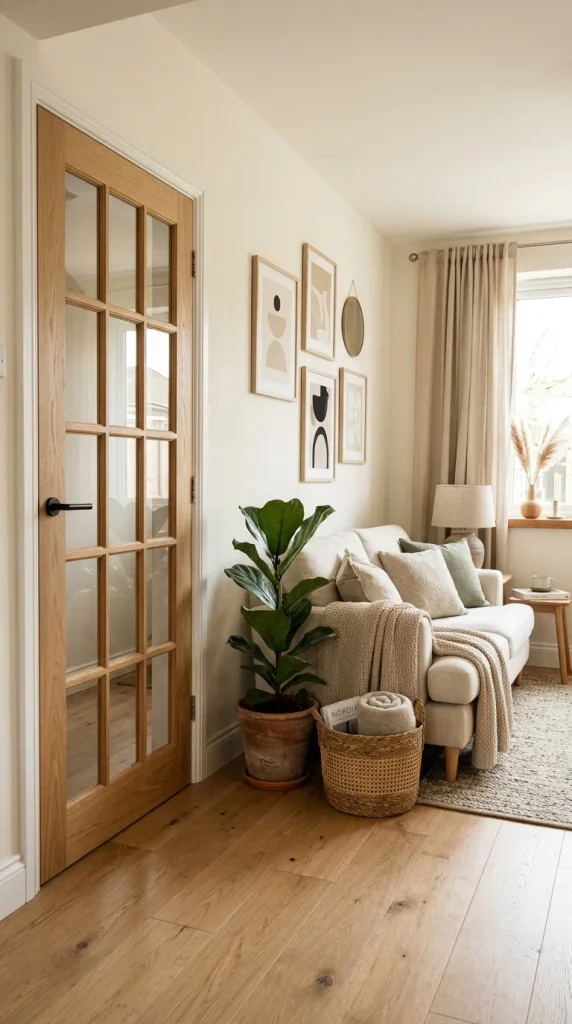
Combining wood and glass creates a warm alternative to all-metal or frameless designs. The wood frame adds texture and character while the glass keeps the room bright.
Materials Used
Use a solid or engineered wood frame, clear or textured safety glass, wooden or metal handle, hinges, and finishing materials.
How to Style It
Choose natural oak, walnut, ash, or another wood tone that complements the room.
Clear glass works well when maximum visibility is desired, while textured glass provides additional privacy.
Wood-and-glass doors are ideal for kitchens, dining rooms, home offices, bedrooms, and living rooms.
Pair the door with other natural materials such as wood flooring, linen curtains, woven baskets, and ceramic accessories.
For a Scandinavian interior, use pale wood and simple clear glass. For a more traditional home, darker wood can create a richer appearance.
This design provides the visual openness of glass while preventing the room from feeling too cold or industrial.
8. Glass Pocket Door
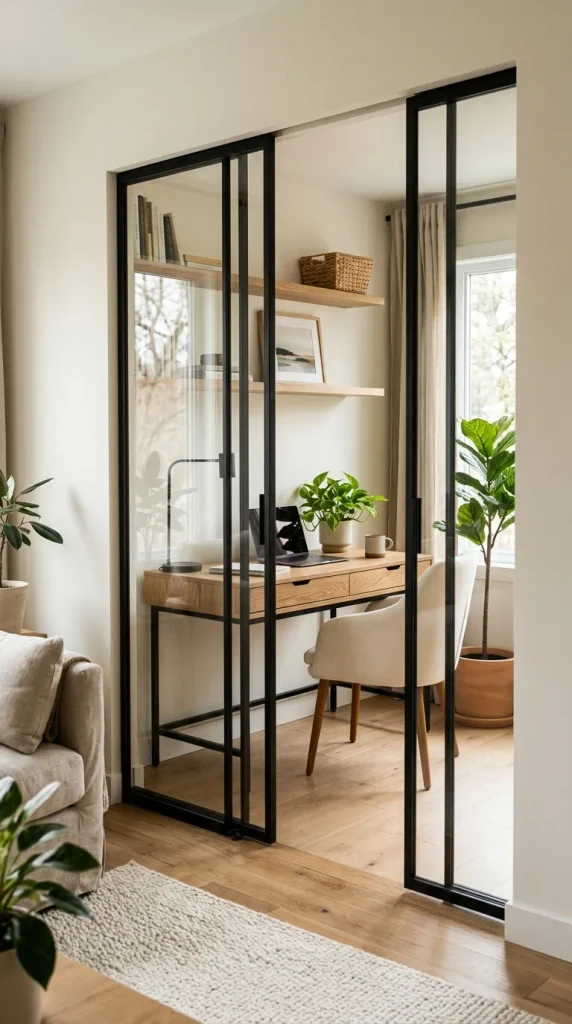
A glass pocket door is a smart option for compact spaces because the door slides into the wall when opened. This can preserve valuable floor space and create a clean transition between rooms.
Materials Used
Use a glass panel, pocket-door frame, sliding mechanism, handle, safety glazing, and wall-compatible hardware.
How to Style It
Pocket doors work beautifully between kitchens and dining rooms, bedrooms and bathrooms, offices and living spaces, or other areas where flexibility is useful.
Clear glass creates maximum openness. Frosted or reeded glass provides additional privacy.
Choose a frame that matches the existing doors and hardware in your home.
Because the door disappears into the wall, it can make a small room feel less visually crowded.
This is particularly useful in compact homes where every inch of floor space matters.
9. Arched Glass Door
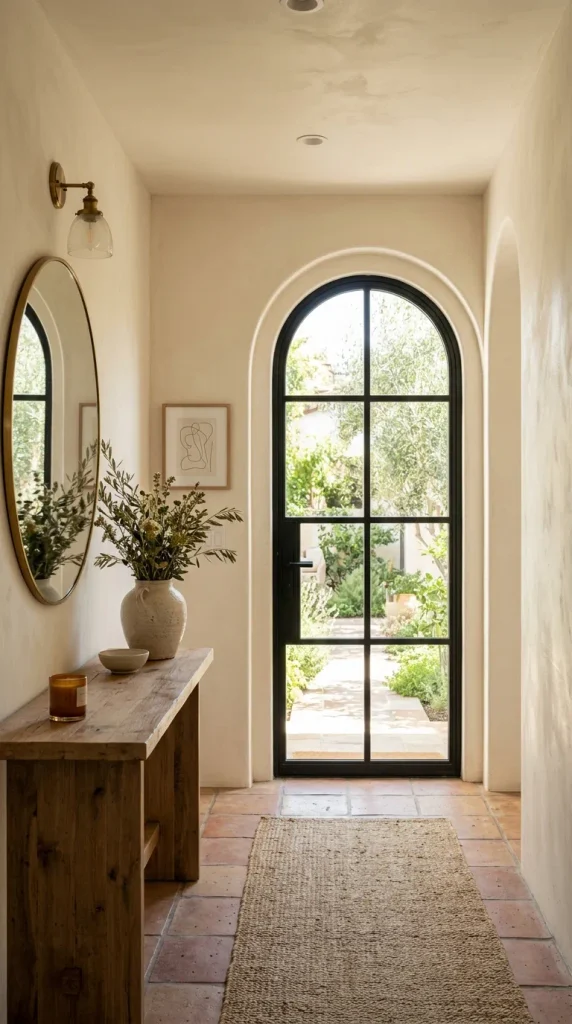
An arched glass door adds architectural softness and visual character. The curved upper portion can make an otherwise simple doorway feel more distinctive.
Materials Used
Use curved or custom-shaped safety glass, metal or wood framing, hinges, handles, and professional installation hardware.
How to Style It
An arched glass door can become a statement feature in an entryway, home office, living room, bedroom, or hallway.
Black framing creates a dramatic modern appearance, while wood framing can make the design feel more traditional and warm.
Pair the curved shape with rounded mirrors, arched artwork, curved furniture, or soft organic forms elsewhere in the room.
Avoid adding too many competing shapes. Let the doorway remain the main architectural feature.
An arched glass door is especially effective in homes where you want to introduce a sense of custom craftsmanship.
10. Glass Patio or Garden Door
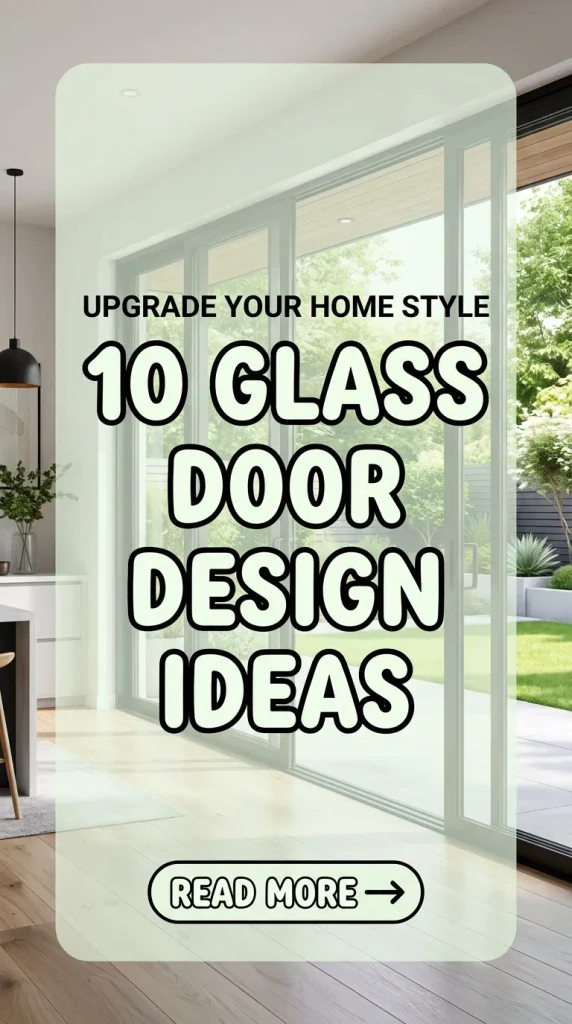
Large glass doors connecting the interior with a patio, balcony, terrace, or garden can make a home feel dramatically more spacious.
Materials Used
Use insulated safety glass, weather-appropriate framing, durable handles, locking hardware, and suitable weather seals.
How to Style It
Use large glass panels to maximize the connection between the living room and outdoor space.
Sliding glass doors are useful when floor space is limited, while hinged or folding systems can create a wider opening when space allows.
Inside, use neutral furniture, natural textures, and indoor plants to create a visual connection with the garden.
Outside, coordinate the area with comfortable seating, potted plants, outdoor lighting, and natural materials.
Large glass doors can make outdoor greenery feel like an extension of the interior.
For a Pinterest-worthy appearance, keep window treatments simple and allow natural light and views to remain the main focus.

How to Choose the Right Glass Door
Before selecting a glass door, think about privacy, safety, light, space, and style.
For bathrooms and private rooms, frosted or reeded glass may be more appropriate than clear glass.
For living areas where openness is the priority, clear glass can create the strongest visual connection.
Safety is also important. Choose appropriate safety glazing for the application and make sure the door and hardware are installed correctly.
Think about the opening mechanism. Hinged doors require swing space, while sliding and pocket doors can be better for compact areas.
Finally, consider the frame finish. Black creates contrast, brass adds warmth, wood provides natural character, and frameless designs emphasize minimalism.
How to Style Glass Doors Like Pinterest Décor
A beautiful glass door should feel connected to the rest of the room.
Repeat its frame finish elsewhere. For example, black-framed doors can coordinate with black lighting fixtures, handles, and furniture details.
Use natural textures around the door to soften hard glass surfaces. Wood, linen, rattan, ceramics, and greenery can create balance.
Avoid overcrowding the area around the doorway. Allow the architectural design to remain visible.
For interior doors, consider using rugs and furniture placement to visually connect both sides of the opening.
For exterior glass doors, keep the transition between indoor and outdoor spaces visually cohesive through similar colors and materials.
Final Thoughts
These 10 glass door design ideas show how glass can combine functionality and style throughout the home. From black-framed and French doors to reeded, frameless, wood-and-glass, pocket, arched, and patio designs, each option offers a different way to introduce light and visual openness.
The right choice depends on the room and the level of privacy you need. Clear glass maximizes visibility, frosted glass creates privacy, and textured glass adds decorative character.
Think carefully about the door’s frame, hardware, opening mechanism, safety requirements, and relationship with the surrounding décor.
When thoughtfully selected, a glass door can do more than divide two spaces. It can make rooms feel brighter, improve the flow of a home, highlight architectural features, and create a polished interior that feels both functional and Pinterest-worthy.

Leave a Reply