
Introduction
Outdoor spaces have become an essential extension of modern homes. Whether it’s a small balcony, a backyard, a rooftop, or a garden, having a comfortable shaded area allows you to enjoy fresh air without worrying about harsh sunlight. However, installing professional outdoor shade structures can often be expensive and time-consuming.
This is where DIY outdoor shade ideas come in. With a little creativity and affordable materials, you can design beautiful and functional shaded spaces that not only protect you from the sun but also enhance your outdoor décor. DIY solutions give you complete freedom to customize the size, style, and materials according to your needs and budget.
Cheap outdoor shade ideas don’t mean compromising on style. In fact, many DIY designs look even more aesthetic and Pinterest-worthy than expensive installations. From fabric canopies and pergolas to bamboo covers and repurposed materials, there are countless ways to create shade creatively.
In this blog, we will explore 10 DIY outdoor shade ideas that are budget-friendly, each explained in detail to help you build your own shaded space. You’ll also learn about materials and step-by-step guidance so you can achieve professional-looking results without spending too much.
Materials Used for DIY Outdoor Shade
Before starting your project, it’s important to choose the right materials. Since outdoor setups are exposed to sunlight, wind, and moisture, durability plays a key role.
One of the most commonly used materials is outdoor fabric, such as canvas, shade cloth, or polyester. These fabrics are lightweight, easy to install, and provide excellent sun protection.
For structural support, you can use wooden posts, bamboo sticks, or metal pipes. Wooden frames are popular because they are easy to work with and give a natural look, while metal provides extra strength and durability.
You may also need ropes, hooks, screws, and zip ties to secure the structure. These small elements ensure your shade stays in place even during windy conditions.
For creative projects, recycled materials like old curtains, pallets, or bedsheets can be used. This not only reduces cost but also adds a unique touch to your design.
Finally, consider adding weather-resistant paint or sealant to protect your materials and increase their lifespan.
Choosing the right materials will ensure your DIY shade is both functional and long-lasting.
How to Create DIY Outdoor Shade (Step-by-Step)
Start by selecting the area where you want to create shade. Measure the space carefully and decide how much coverage you need.
Next, choose your design based on your space and budget. For example, a fabric canopy works well for small patios, while a pergola is better for larger areas.
Install the support structure using wooden posts, poles, or existing walls. Make sure everything is stable and secure.
Attach your shade material, such as fabric or bamboo, using ropes, hooks, or screws. Ensure it is stretched properly to avoid sagging.
Test the setup by checking its stability and coverage. Make adjustments if needed.
Finally, decorate your shaded area with lights, plants, or furniture to create a cozy outdoor space.
1. DIY Fabric Canopy Shade
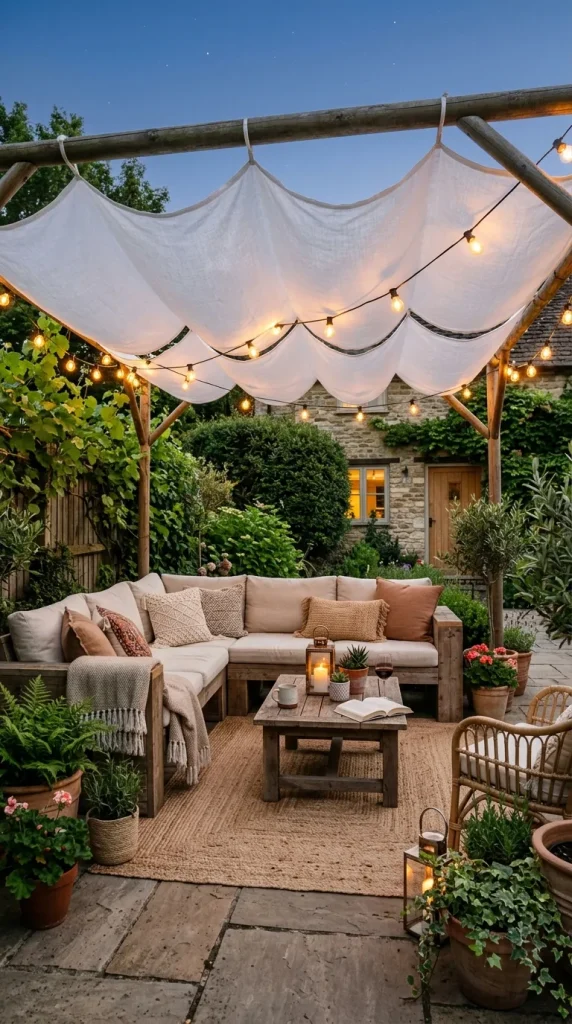
A fabric canopy is one of the easiest and most affordable ways to create outdoor shade. This design involves stretching a piece of fabric over a seating area to block sunlight while allowing airflow. It’s perfect for patios, balconies, or garden spaces.
To create this canopy, choose a durable outdoor fabric such as canvas or shade cloth. Measure your area and cut the fabric accordingly. Install hooks or poles at the corners of your space and attach the fabric using ropes or strong ties. Make sure the fabric is slightly angled so that rainwater can drain easily.
You can experiment with colors and patterns to match your outdoor décor. Light-colored fabrics reflect heat, keeping the area cooler, while darker shades create a cozy and dramatic look.
This idea is highly flexible—you can remove or adjust the canopy whenever needed. It’s also portable, making it ideal for renters.
The fabric canopy not only provides shade but also adds a soft, elegant touch to your outdoor area.
Pinterest Style Pattern:
Flowing white fabric canopy stretched over a cozy seating area with warm lighting and greenery.
2. Pergola with Fabric Cover
A DIY pergola with a fabric cover is a stylish and slightly more structured shade solution. It combines the strength of a wooden frame with the softness of fabric, creating a balanced and elegant design.
Start by building a simple pergola using wooden posts and beams. Once the frame is ready, attach fabric panels across the top. You can leave the fabric fixed or design it to slide for adjustable shade.
This setup works beautifully in backyards and larger outdoor spaces. It creates a defined area for seating or dining.
The combination of wood and fabric gives a high-end look without a high cost.
Pinterest Style Pattern:
Wooden pergola with draped fabric panels and cozy outdoor furniture.

3. Bamboo Shade Cover
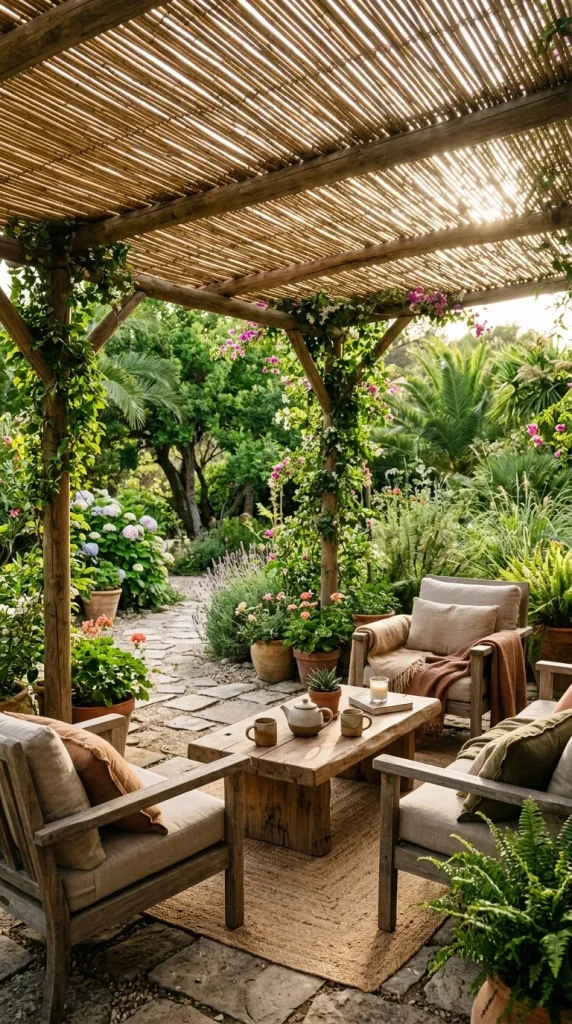
Bamboo shades are perfect for creating a natural and eco-friendly outdoor space. Bamboo is affordable, lightweight, and provides excellent sun protection.
Attach bamboo panels or sticks to a wooden or metal frame. You can also roll them up when not needed.
Pinterest Style Pattern:
Natural bamboo shade with earthy tones and garden setting.
4. DIY Shade Sail
Shade sails are modern and stylish. They use triangular or rectangular fabric pieces stretched tightly between poles.
They are easy to install and provide excellent coverage.
Pinterest Style Pattern:
Triangle shade sail in neutral tones over a modern patio.

5. Outdoor Curtain Shade
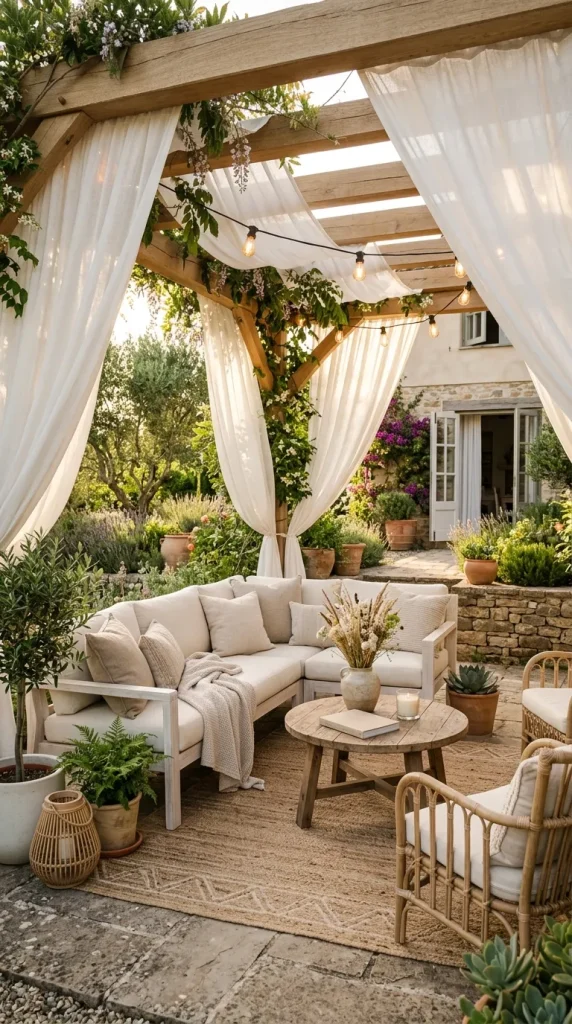
Outdoor curtains are a simple yet elegant solution. Hang curtains around a patio or pergola to create shade and privacy.
They can be opened or closed as needed.
Pinterest Style Pattern:
White outdoor curtains flowing around a patio seating area.
6. Pallet Wood Shade Structure
A pallet wood shade structure is a creative and eco-friendly way to build a shaded outdoor area using recycled materials. Wooden pallets are widely available and often inexpensive or even free, making them perfect for budget-friendly DIY projects. This idea combines sustainability with functionality while adding a rustic charm to your outdoor space.
To create this structure, start by collecting sturdy wooden pallets and cleaning them thoroughly. You can sand the surfaces to remove rough edges and apply a weather-resistant sealant to protect the wood from moisture and sunlight. Next, use the pallets to build a simple frame or roof-like structure supported by wooden posts. Arrange the pallets horizontally or slightly angled to allow partial sunlight while still providing shade.
You can enhance the design by adding fabric or climbing plants over the pallet roof. This will create additional shade and give a softer, more natural appearance. String lights or hanging décor can also be added to make the space more inviting.
This shade idea works well in gardens, backyards, or even small patios. It’s ideal for those who love rustic or farmhouse-style décor. The pallet wood structure not only provides shade but also becomes a decorative feature in your outdoor space.
Pinterest Style Pattern:
Rustic pallet wood shade structure with soft sunlight filtering through and cozy outdoor seating.

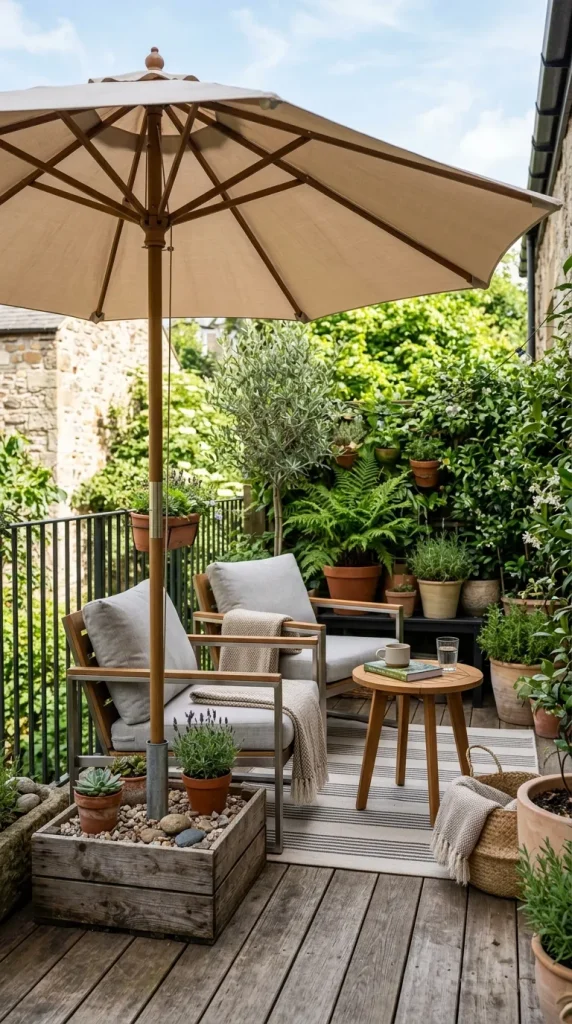
7. DIY Umbrella Stand Shade
A DIY umbrella stand shade is one of the simplest and most flexible solutions for outdoor shading. Instead of buying expensive patio umbrellas, you can create your own using affordable materials and a sturdy base. This option is perfect for small spaces like balconies, terraces, or compact garden areas.
To build this shade, you can use a large outdoor umbrella or even create one using fabric stretched over a frame. The key element is a strong base that keeps the umbrella stable. You can make a DIY base using a bucket filled with concrete or sand. Insert a metal or wooden pole into the center and allow it to set firmly.
Once the base is ready, attach your umbrella or fabric cover to the pole. You can adjust the height and angle to block sunlight effectively throughout the day. This makes it a highly practical solution for changing sun positions.
The best part about this idea is its portability. You can easily move the umbrella to different areas as needed. It’s also easy to store when not in use.
This shade solution is ideal for those who want a quick, affordable, and adjustable option without permanent installation.
Pinterest Style Pattern:
Simple outdoor umbrella with DIY base placed beside cozy patio seating.
8. Climbing Plants Shade (Natural Canopy)
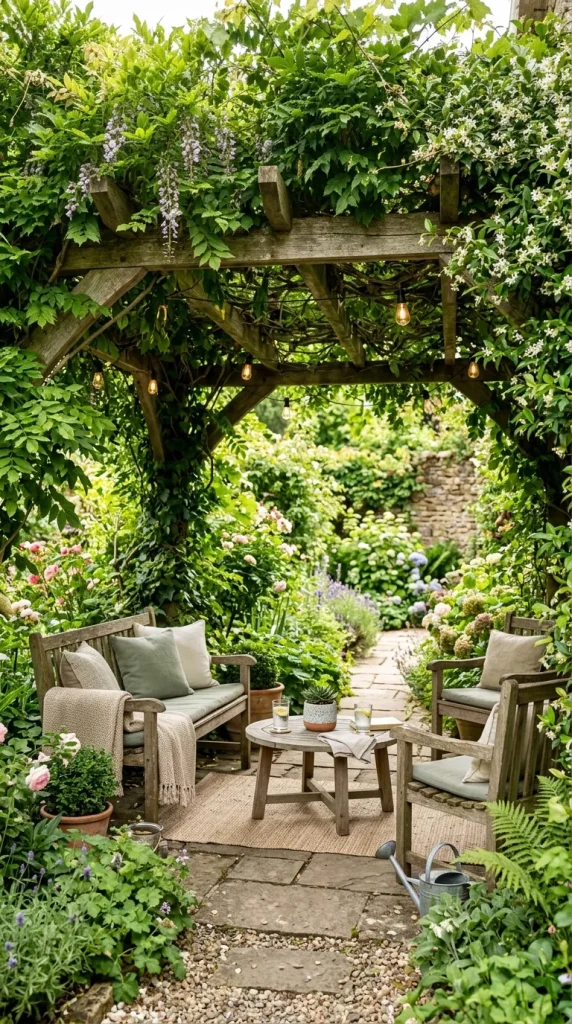
A climbing plants shade is a beautiful and natural way to create outdoor shade while enhancing your garden’s aesthetic. This idea uses plants like vines or creepers to form a green canopy over a structure, providing both shade and a refreshing environment.
To create this shade, build a simple frame using wood, metal, or bamboo. This can be in the form of a pergola, arch, or trellis. Once the structure is ready, plant climbing النباتات such as ivy, jasmine, or grapevines around the base. Over time, these plants will grow and spread across the frame, forming a dense leafy cover.
This natural canopy not only blocks sunlight but also cools the surrounding area, making it more comfortable during hot weather. It also improves air quality and adds a calming, organic feel to your space.
Although this idea takes time to fully develop, the result is long-lasting and environmentally friendly. It requires regular watering and maintenance to keep the plants healthy and well-shaped.
This shade solution is perfect for gardens, patios, or outdoor seating areas where you want a peaceful and nature-inspired atmosphere.
Pinterest Style Pattern:
Green vine-covered pergola creating a lush natural shade over outdoor seating.
9. PVC Pipe Shade Structure
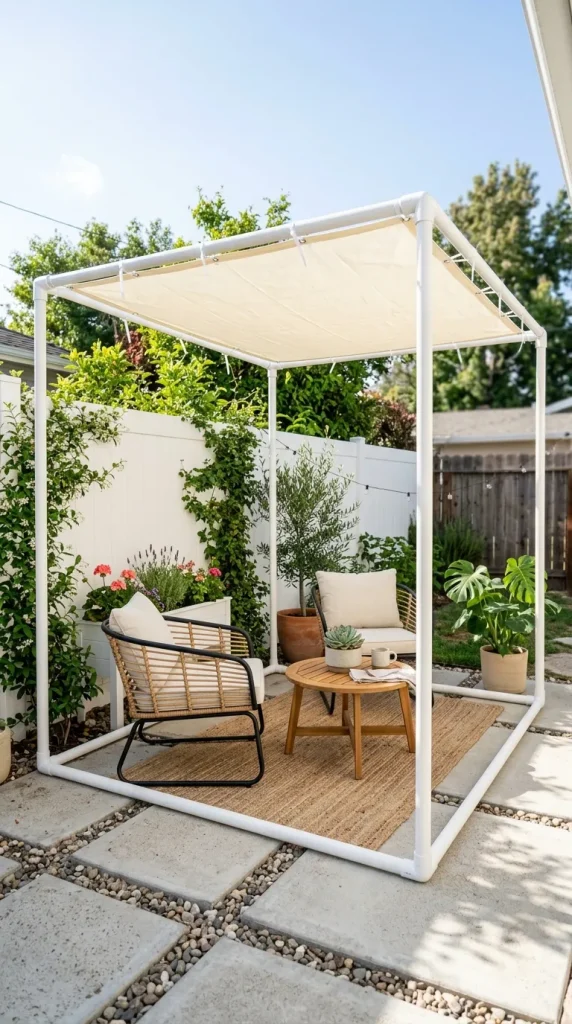
A PVC pipe shade structure is a lightweight and budget-friendly option that is easy to assemble. PVC pipes are inexpensive, readily available, and simple to work with, making them ideal for DIY beginners.
To build this structure, cut PVC pipes according to your desired dimensions and connect them using joints to form a frame. The frame can be square, rectangular, or even curved depending on your design preference. Once the structure is complete, attach a fabric cover or shade cloth on top using zip ties or clips.
This setup is perfect for temporary or seasonal use. It can be easily disassembled and stored when not needed. Despite being lightweight, it can be made stable by securing the base with weights or anchoring it to the ground.
PVC shade structures are ideal for small patios, gardens, or even outdoor events. They provide a clean and modern look while remaining highly functional.
Pinterest Style Pattern:
White PVC frame with fabric shade cover in a clean modern outdoor setup.
10. Recycled Sheet or Curtain Shade
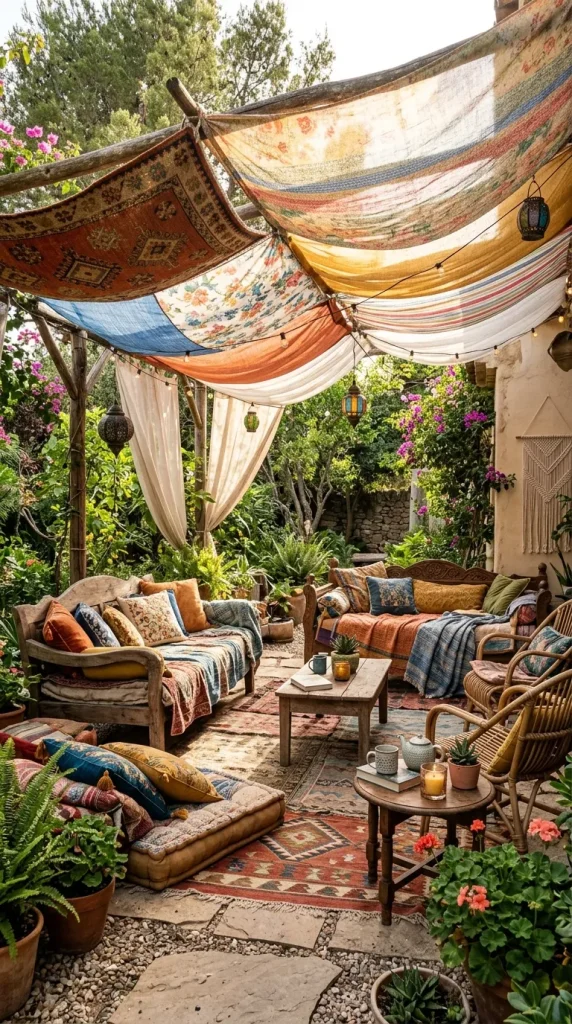
Using recycled sheets or curtains is one of the cheapest and most creative ways to create outdoor shade. This idea allows you to repurpose old fabrics and turn them into something functional and stylish.
To create this shade, choose durable sheets or curtains and attach them to a frame, poles, or even a clothesline. You can drape them loosely for a relaxed look or stretch them tightly for better sun protection. Mixing different fabrics or patterns can create a unique and colorful design.
This solution is perfect for temporary setups, such as outdoor gatherings or seasonal use. It’s also ideal for renters who want a non-permanent option.
You can enhance the look by adding fairy lights or tying the curtains creatively. While this option may not be as durable as others, it’s incredibly affordable and easy to set up.
Pinterest Style Pattern:
Flowy recycled fabric shade with soft draping and cozy outdoor seating area.
Final Thoughts
DIY outdoor shade ideas are a perfect way to transform your outdoor space without spending a lot of money. From simple fabric canopies to natural plant shades, there are countless ways to create a comfortable and stylish environment.
These projects not only save money but also allow you to express your creativity and design something unique. With the right materials and a little effort, you can build a shaded space that enhances both comfort and aesthetics.



Leave a Reply