
Introduction
Walls play an important role in defining the overall appearance of a home. While painted walls and simple wallpapers can create a beautiful backdrop, ornamental wall designs add an extra layer of elegance, texture, and personality. From decorative plasterwork and carved wooden details to metallic wall accents and intricate mouldings, ornamental designs can transform plain walls into stunning architectural features.
Ornamental wall decoration works with many interior styles, including traditional, modern, classic, vintage, contemporary, and luxury interiors. You can choose delicate decorative details for a subtle appearance or bold statement designs that become the main attraction in a room.
The best part is that ornamental wall designs do not always require a complete renovation. Some ideas can be created with decorative mouldings, ready-made wall panels, lightweight embellishments, or DIY materials. Whether you want to decorate your living room, bedroom, dining area, hallway, or entryway, there are plenty of ways to introduce decorative details.
In this article, you’ll discover 10 ornamental wall design ideas, the materials needed, practical decorating instructions, and helpful tips for creating an attractive and balanced interior.
Materials Needed for Ornamental Wall Designs
The materials you need will depend on the style and complexity of your chosen design. Here are some commonly used options:
- Decorative wall mouldings
- Plaster or gypsum ornamental details
- Carved wooden panels
- MDF decorative wall pieces
- Polyurethane wall ornaments
- Decorative metal wall accents
- Wall adhesive and suitable mounting hardware
- Primer and interior wall paint
- Gold, silver, or bronze metallic paint
- Decorative wallpaper
- Measuring tape and pencil
- Spirit level
- Paintbrushes and rollers
- Sandpaper and finishing materials
- Wood glue or appropriate construction adhesive
Before installing ornamental details, make sure the wall surface is clean, dry, and suitable for the chosen material. Always follow the manufacturer’s installation instructions, particularly when working with heavy decorative pieces.
1. Ornamental Plaster Wall Mouldings
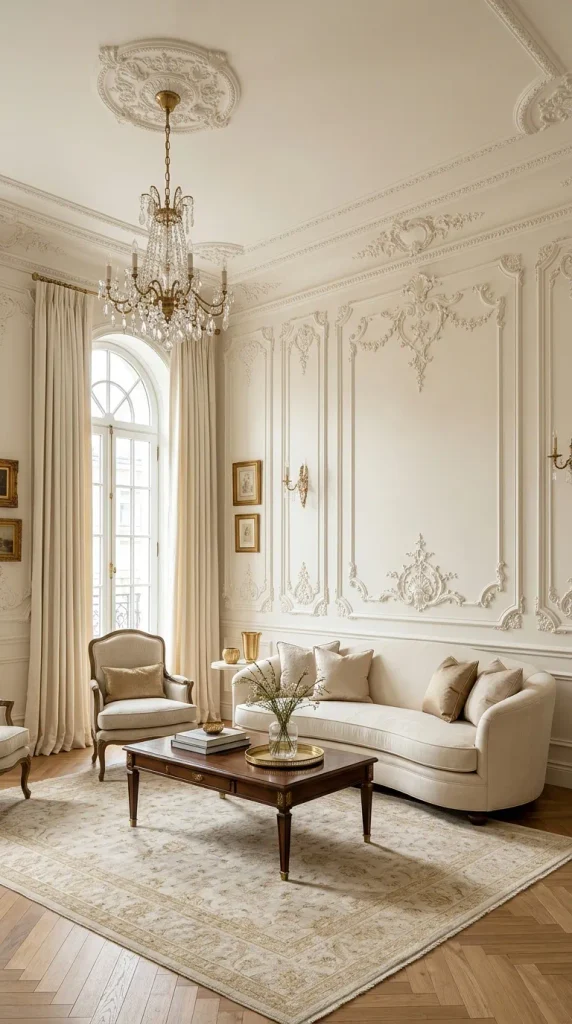
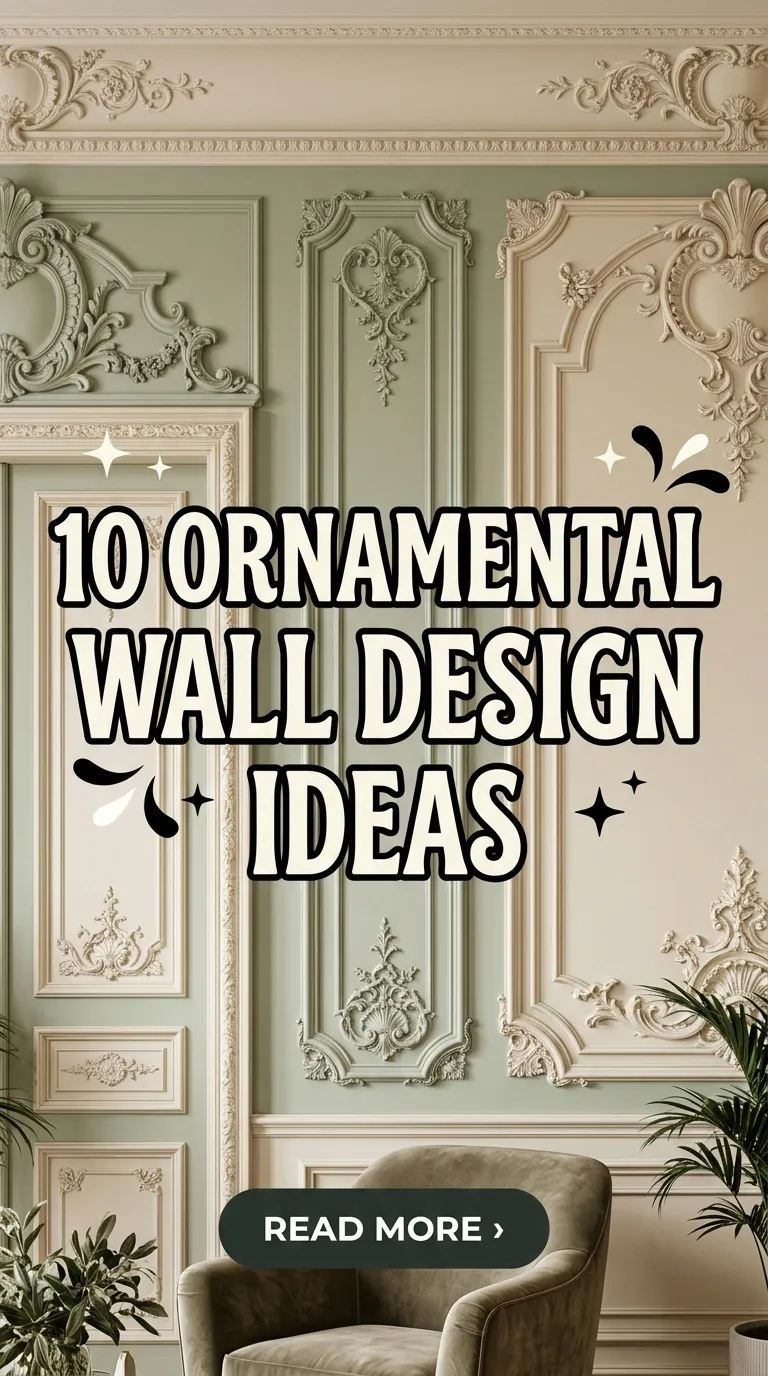
Ornamental plaster mouldings are a timeless way to add architectural beauty to plain walls. Inspired by traditional European interiors, these decorative elements can include floral patterns, curved motifs, sculpted borders, and intricate raised details.
This design works particularly well in living rooms, formal dining areas, bedrooms, and elegant entryways. Plaster ornaments can be installed around wall panels, above fireplaces, or in the center of a large feature wall.
Materials needed: Decorative plaster mouldings, wall adhesive, measuring tape, pencil, primer, paint, and finishing tools.
How to create the design:
- Choose an ornamental pattern that complements your interior style.
- Measure the wall and mark the placement of the decorative pieces.
- Arrange the mouldings on the floor first to plan the overall composition.
- Apply suitable adhesive according to the product instructions.
- Attach the ornaments carefully and allow them to set.
- Fill small gaps and smooth the edges.
- Apply primer and finish with your chosen wall paint.
For a classic appearance, use white or ivory plaster ornaments against a warm neutral wall. If you prefer a luxurious look, introduce subtle gold detailing along the raised edges.
Avoid covering the entire wall with complicated patterns. A carefully positioned ornamental centerpiece can create a much more refined effect.
Styling tip: Combine plaster mouldings with simple wall panelling to create a traditional architectural feature without making the room feel overcrowded.
2. Gold Ornamental Wall Decorations
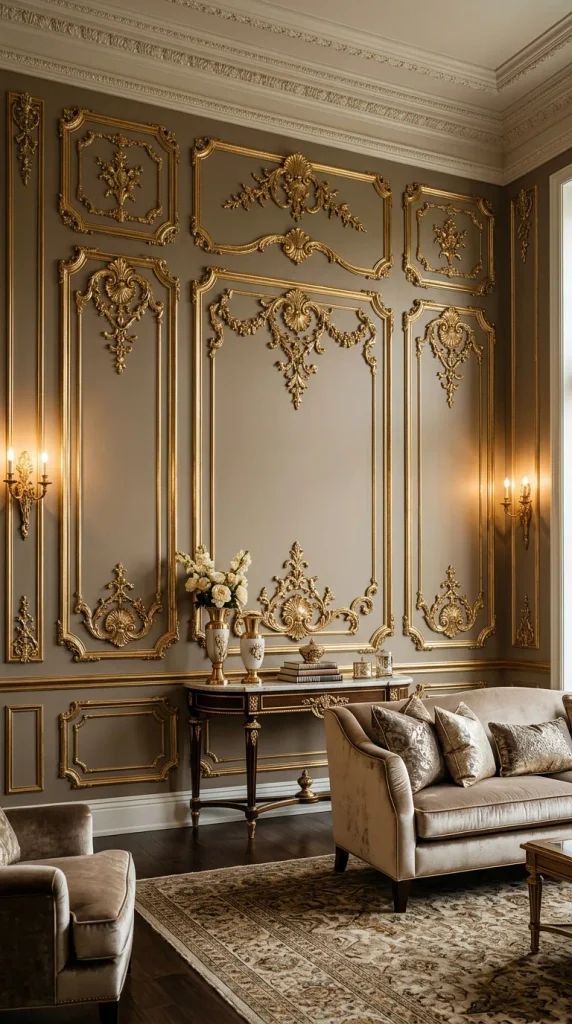
Gold ornamental wall decorations can introduce warmth, elegance, and a luxurious appearance to your home. These designs may include decorative metal pieces, golden floral motifs, carved embellishments, or ornamental wall appliqués.
Gold accents look especially beautiful against dark green, navy blue, charcoal, cream, beige, and white walls. They are suitable for living rooms, bedrooms, dining spaces, and formal sitting areas.
Materials needed: Gold decorative wall ornaments, suitable mounting hardware, measuring tape, pencil, and optional wall paint.
How to create the design:
- Select gold ornaments that match your room’s decorative style.
- Decide whether you want one large statement piece or a symmetrical arrangement.
- Mark the placement carefully using a measuring tape.
- Install the ornaments with appropriate fasteners or adhesive.
- Arrange smaller decorative details around the main piece if needed.
- Check the overall balance from different angles.
You can create a traditional appearance with intricate gold floral patterns or choose simple geometric metal ornaments for a modern interior.
For a more dramatic effect, place a large gold ornamental design above a console table or sofa. Add coordinated decorative accessories to connect the wall feature with the rest of the room.
Styling tip: Use gold as an accent rather than covering every surface. A few carefully placed details will create a more sophisticated appearance.
3. Carved Wooden Ornamental Wall Panels
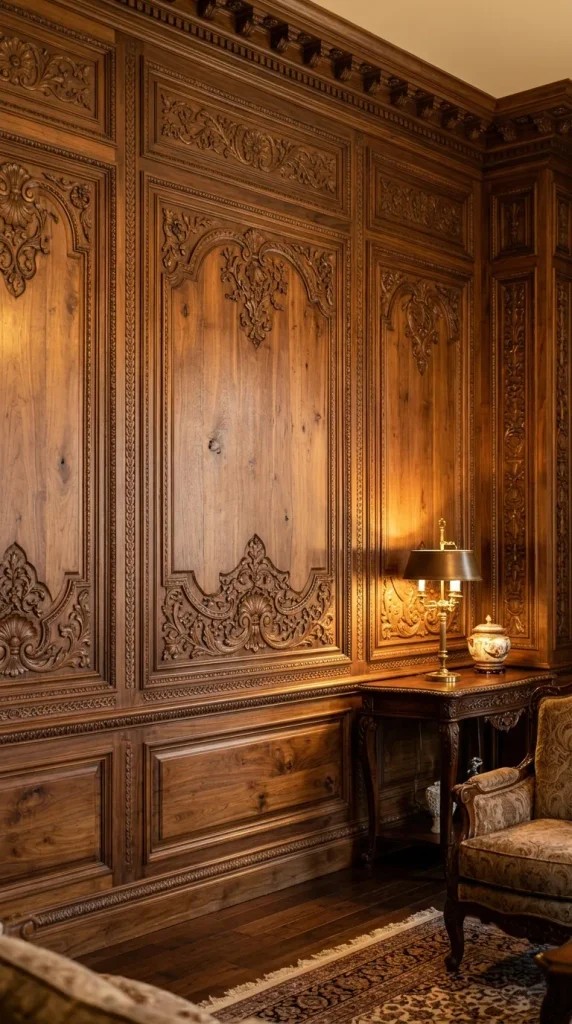
Carved wooden wall panels add natural warmth and detailed craftsmanship to interior spaces. These panels can feature floral carvings, geometric patterns, traditional motifs, or delicate ornamental borders.
Wooden ornamental panels are ideal for living rooms, bedrooms, dining areas, and spaces where you want a distinctive focal wall. They work especially well with traditional, rustic, vintage, and contemporary interiors.
Materials needed: Carved wooden panels, suitable wall fasteners, measuring tools, wood finish, and optional protective coating.
How to create the design:
- Select a carved pattern that complements your furniture and interior style.
- Measure the wall to determine the appropriate panel size.
- Decide whether the panels should cover the full wall or form a central decorative feature.
- Prepare the wall and mark the installation positions.
- Secure the panels using suitable mounting hardware.
- Apply a wood finish or protective coating if necessary.
- Add complementary lighting or furniture to highlight the details.
Natural oak, walnut, and dark mahogany finishes create different moods. Light wood feels fresh and Scandinavian-inspired, while darker wood produces a more traditional and dramatic atmosphere.
You can also combine carved panels with plain painted sections to keep the design balanced.
Styling tip: Use warm lighting near carved wooden panels to highlight their depth and intricate craftsmanship.
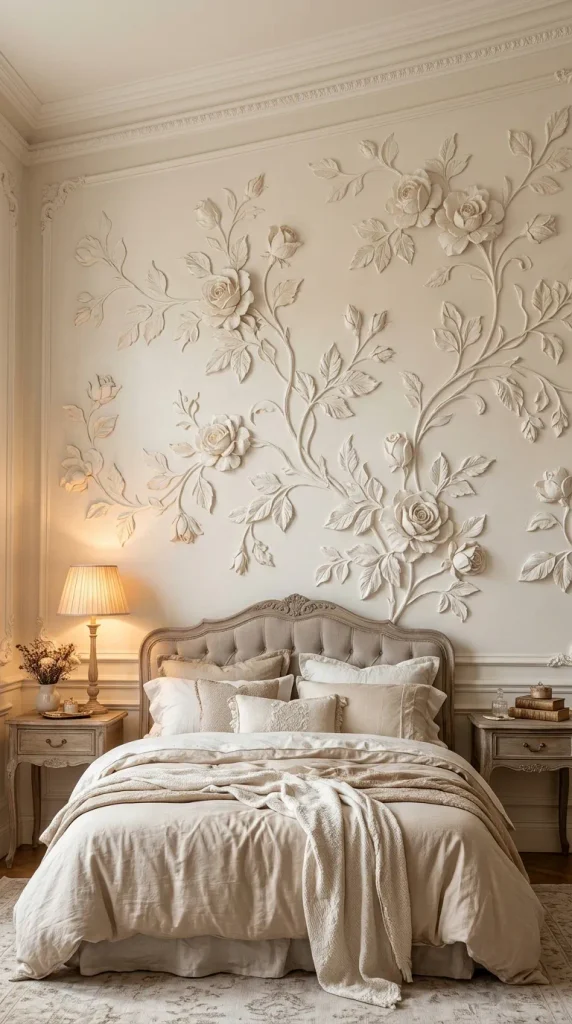
4. Floral Ornamental Wall Appliqués
Floral ornamental wall appliqués are a beautiful option for introducing decorative patterns without installing large wall panels. These designs can feature raised flowers, leaves, vines, petals, and delicate botanical arrangements.
They are especially suitable for bedrooms, living rooms, dressing areas, and decorative corners. Depending on the material and finish, floral appliqués can create a romantic, vintage, classic, or modern appearance.
Materials needed: Floral wall appliqués, suitable adhesive, measuring tape, pencil, primer, and paint.
How to create the design:
- Choose a floral motif that suits the room’s overall style.
- Decide whether the design should be symmetrical or arranged organically.
- Mark the placement on the wall before installation.
- Attach the appliqués using the recommended adhesive.
- Allow the pieces to set properly.
- Paint them to match the wall or choose a contrasting finish.
- Add complementary decor to complete the arrangement.
White floral appliqués against a soft beige wall create a delicate appearance. Gold or bronze finishes can make the same design feel more luxurious.
For a modern interior, choose simplified botanical shapes instead of highly detailed traditional flowers.
Styling tip: Use floral ornaments above a bed, console table, or seating area to create a natural decorative focal point.
5. Geometric Ornamental Wall Designs
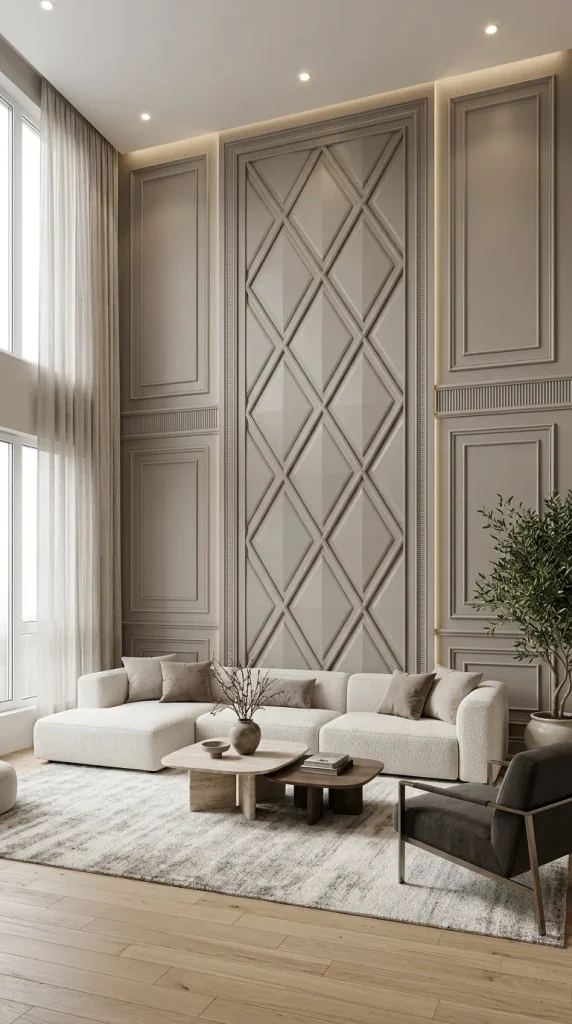
Geometric ornamental wall designs combine decorative patterns with clean architectural lines. These designs may include repeating circles, diamonds, arches, hexagons, and symmetrical arrangements.
Unlike traditional floral ornaments, geometric patterns often feel modern and structured. They are ideal for contemporary living rooms, bedrooms, home offices, and hallway feature walls.
Materials needed: Decorative wall mouldings, MDF strips, measuring tape, pencil, wall adhesive, primer, and paint.
How to create the design:
- Choose a geometric pattern that fits the dimensions of your wall.
- Draw the layout using a pencil and measuring tape.
- Mark the lines carefully to maintain consistent spacing.
- Cut the moulding pieces to the required lengths.
- Attach the pieces using suitable adhesive.
- Fill gaps, smooth the joints, and apply primer.
- Paint the completed design in a coordinating color.
For a subtle appearance, use the same paint color on both the wall and mouldings. For more contrast, choose a darker shade for the decorative lines.
You can also combine geometric mouldings with wallpaper or textured paint inside selected sections.
Styling tip: Keep furniture and accessories relatively simple when using a bold geometric wall pattern. This allows the ornamental design to remain the main feature.
6. Ornamental Mirror Wall Decorations
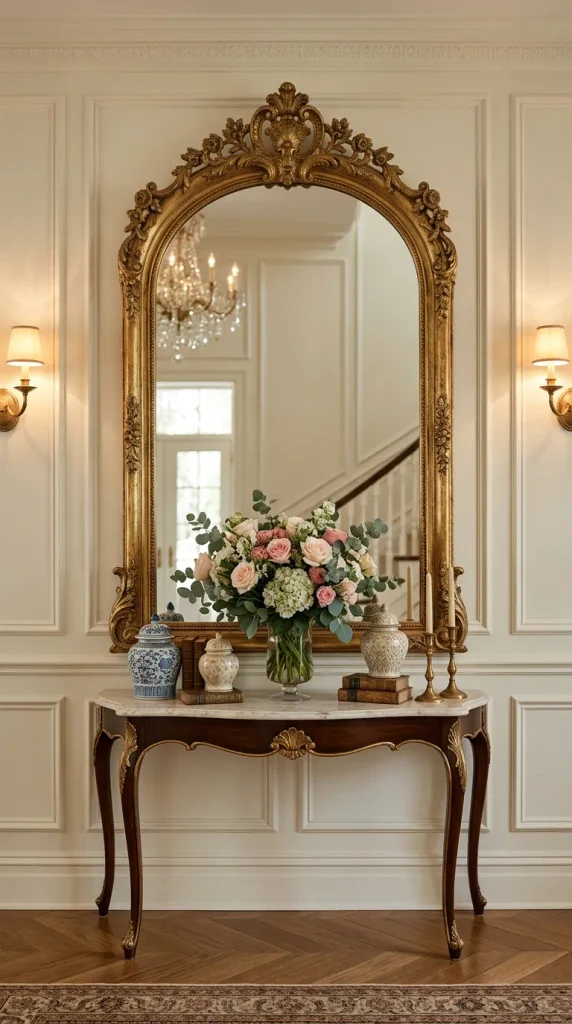
Ornamental mirrors combine decorative beauty with practical functionality. Frames featuring carved details, floral patterns, antique finishes, or elegant curves can make ordinary walls feel more sophisticated.
Mirrors also reflect natural and artificial light, helping smaller spaces feel brighter and more open. This makes them particularly useful in entryways, living rooms, dining areas, and bedrooms.
Materials needed: Ornamental mirrors, suitable wall anchors, measuring tape, pencil, and optional coordinating decorative pieces.
How to create the design:
- Select a mirror with a frame that suits your interior style.
- Decide whether you want one large mirror or a collection of smaller mirrors.
- Measure the wall and mark the desired position.
- Use appropriate wall anchors and mounting hardware.
- Install the mirror securely, following the manufacturer’s instructions.
- Add coordinating accessories if needed.
A large antique-style mirror with a carved gold frame creates a traditional and luxurious appearance. A collection of smaller mirrors with matching ornamental frames can create a decorative gallery wall.
For a contemporary look, choose mirrors with simple geometric frames and subtle metallic finishes.
Styling tip: Place ornamental mirrors where they can reflect a window, attractive lighting, or a beautiful part of the room.
7. Vintage Ornamental Wall Frames
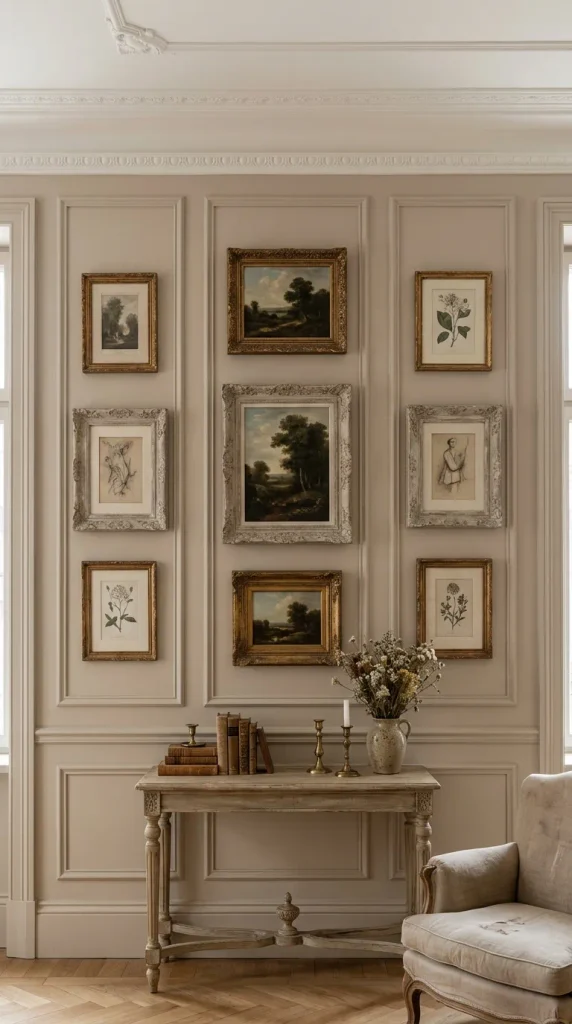
Vintage ornamental wall frames are a creative way to decorate walls with classic architectural details. These frames can be made from decorative mouldings and arranged in different sizes to create a gallery-style composition.
They work beautifully in traditional living rooms, bedrooms, dining spaces, and hallways. You can leave the frames empty for a minimal architectural look or use them to display artwork, mirrors, and decorative prints.
Materials needed: Decorative wall mouldings, measuring tape, pencil, adhesive, primer, paint, and optional artwork.
How to create the design:
- Decide how many ornamental frames you want to create.
- Measure the wall and plan the frame sizes.
- Mark each rectangular or curved arrangement.
- Cut the mouldings to the required measurements.
- Attach the pieces and check that the spacing is consistent.
- Fill the joints and paint the completed frames.
- Add artwork or leave selected frames empty.
For a traditional French-inspired interior, use delicate white mouldings on a pale neutral wall. For a dramatic vintage appearance, choose muted olive, dusty rose, or deep charcoal paint.
You can also place one large frame above a sofa and smaller frames around it for a balanced arrangement.
Styling tip: Maintain consistent spacing between frames. This small detail helps the entire wall feel organized and professionally designed.
8. Ornamental Ceiling-to-Wall Corner Designs
Decorative corner ornaments can make an often-overlooked area of a room feel more finished. These designs may include plaster scrolls, floral motifs, curved mouldings, or decorative corner brackets that connect ceiling and wall details.
This idea is particularly suitable for traditional living rooms, formal dining spaces, bedrooms, and homes with classic architectural features.
Materials needed: Lightweight plaster or polyurethane ornaments, suitable adhesive, measuring tools, primer, paint, and finishing materials.
How to create the design:
- Identify the wall and ceiling corners where decorative details would look attractive.
- Choose corner ornaments that complement existing mouldings.
- Measure the available space and plan the placement.
- Mark the installation points.
- Attach the ornaments using suitable adhesive or mounting hardware.
- Fill small gaps and smooth the edges.
- Paint the details to coordinate with the ceiling or wall.
White corner ornaments against white walls create a subtle architectural effect. Gold accents can make traditional designs look more decorative and luxurious.
For smaller rooms, choose lightweight ornaments with delicate patterns rather than oversized sculptural details.
Styling tip: Repeat the same ornamental motif in more than one corner to create a cohesive look throughout the room.

9. Metallic Ornamental Wall Art
Metallic ornamental wall art can add texture, shine, and artistic character to a plain wall. Designs may feature decorative leaves, floral metalwork, abstract scrolls, sunburst patterns, or symmetrical ornamental compositions.
This style is versatile and works with modern, transitional, glamorous, and traditional interiors. It is especially effective above sofas, beds, fireplaces, and console tables.
Materials needed: Decorative metal wall art, suitable mounting hardware, measuring tape, pencil, and optional coordinating accessories.
How to create the design:
- Choose a metal finish that complements your existing furniture.
- Measure the available wall space.
- Decide whether a single large design or several smaller pieces would look better.
- Mark the hanging position.
- Install suitable hooks or anchors.
- Hang the artwork securely and check its alignment.
- Add subtle lighting if you want to emphasize the metal texture.
Gold and brass finishes create a warm, luxurious look, while black metal designs feel modern and graphic. Silver and bronze can complement cooler or more traditional color palettes.
You can also choose metal wall art with layered leaves or floral patterns for a nature-inspired ornamental feature.
Styling tip: Select a piece that is appropriately sized for the furniture beneath it. Oversized art can dominate a small wall, while tiny decorations may disappear on a large one.
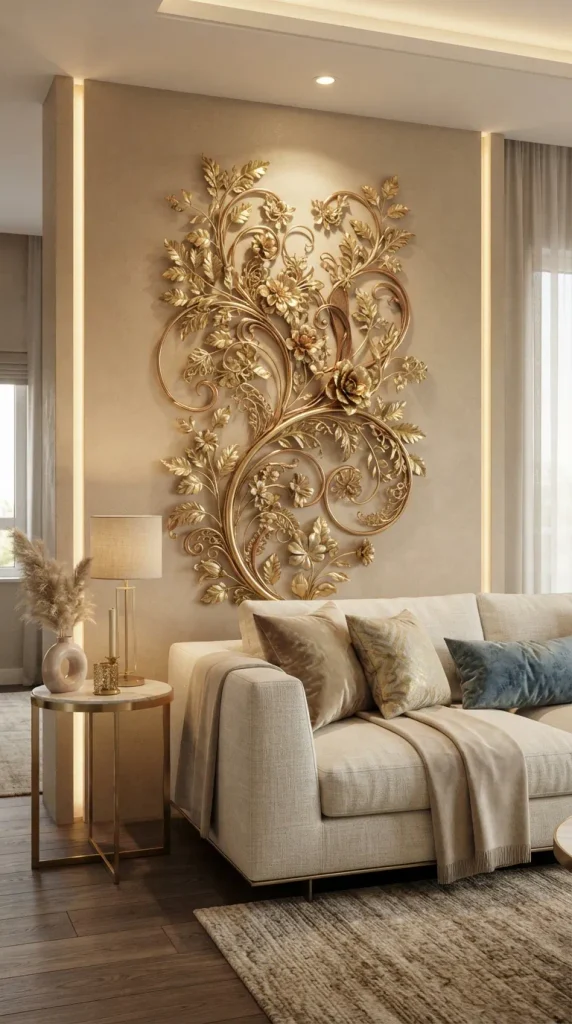
10. Ornamental Accent Wall with Decorative Wall Panels
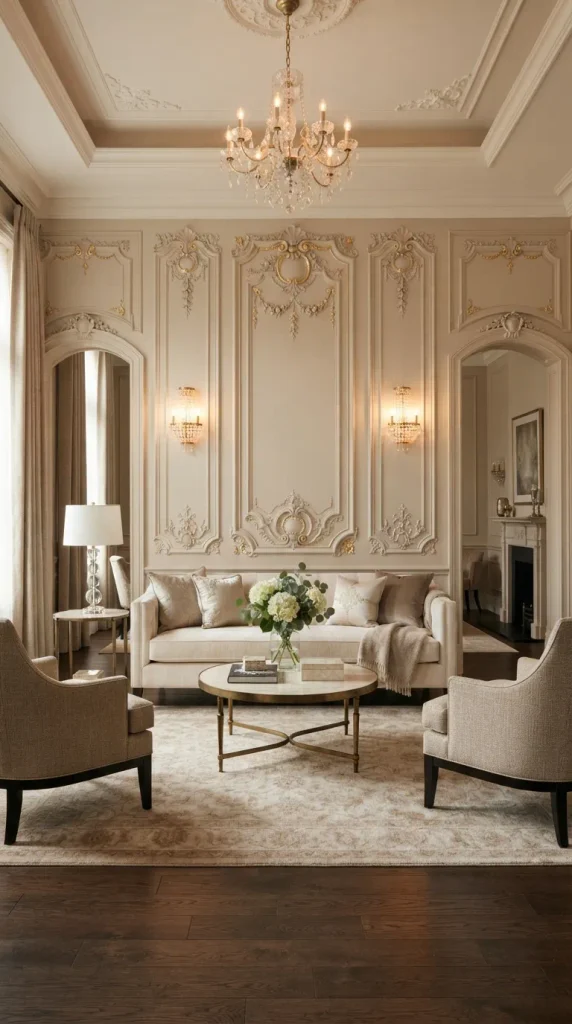
An ornamental accent wall combines decorative panels, mouldings, and textured finishes to create a statement feature. Instead of decorating the entire room, you can focus on one wall and make it the central design element.
This approach works especially well behind a bed, sofa, dining table, or entryway console. It can be adapted to traditional, modern, luxury, and transitional interiors.
Materials needed: Decorative wall panels, ornamental mouldings, suitable adhesive or fasteners, measuring tools, primer, paint, and optional metallic accents.
How to create the design:
- Choose the wall you want to transform into a focal point.
- Decide on a combination of panels, decorative borders, and ornamental details.
- Measure the wall and create a balanced layout.
- Install the main panels according to the manufacturer’s instructions.
- Add decorative mouldings or ornamental appliqués.
- Fill joints and prepare the surface for painting.
- Apply a coordinated paint finish and add suitable furniture or lighting.
For a luxury living room, combine deep beige panels with gold ornamental details. For a softer bedroom, choose cream panels with delicate floral mouldings. A modern accent wall can use simple geometric panels with a subtle textured finish.
Keep the surrounding walls relatively simple so the feature wall remains visually important.
Styling tip: Add wall sconces or carefully positioned accent lighting to highlight the ornamental details and create depth.
Tips for Choosing the Right Ornamental Wall Design
Before selecting a decorative wall treatment, consider the room’s size, lighting, furniture, and existing interior style.
- Match the design to your interior: Traditional rooms suit carved wood, floral plasterwork, and vintage mouldings, while modern spaces often benefit from geometric patterns and simplified ornaments.
- Consider wall dimensions: Large ornamental designs need enough space to look balanced. Smaller rooms usually benefit from delicate details.
- Choose suitable materials: Plaster, wood, MDF, polyurethane, and metal each have different weights, finishes, and installation requirements.
- Coordinate colors: Gold, bronze, white, cream, and natural wood can create very different effects.
- Use lighting strategically: Wall sconces and accent lighting can emphasize raised textures and decorative details.
- Create visual balance: Avoid combining several large ornamental features on the same wall.
- Think about maintenance: Intricate carvings and raised details may collect dust and require more cleaning.
- Test paint colors: Try a small sample before applying a new finish to the entire wall.
Common Mistakes to Avoid
1. Choosing overly complicated patterns
Too many intricate details can make a room feel crowded. Choose one main ornamental style and repeat it thoughtfully.
2. Ignoring the room’s proportions
A large decorative feature may overwhelm a narrow wall. Measure the space before purchasing panels or ornaments.
3. Mixing too many finishes
Combining gold, silver, bronze, and several wood tones without a clear plan can make the design feel inconsistent.
4. Installing heavy decorations incorrectly
Heavy plaster ornaments, mirrors, and wooden panels need appropriate fasteners and wall support. Never rely on ordinary adhesive alone when the product requires mechanical mounting.
5. Forgetting about lighting
Poor lighting can hide the texture and detail of ornamental designs. Consider how natural and artificial light will fall across the wall.
6. Overdecorating surrounding areas
When a wall already features elaborate mouldings or carved panels, keep nearby furniture and accessories relatively simple.
Conclusion
Ornamental wall designs are an excellent way to bring elegance, character, and visual interest into your home. Whether you prefer traditional plaster mouldings, golden wall accents, carved wooden panels, floral appliqués, or modern geometric patterns, there are countless ways to transform an ordinary wall into a beautiful decorative feature.
For a classic interior, consider vintage frames and plaster ornaments. For a luxurious appearance, choose gold details, ornamental mirrors, or metallic wall art. If you prefer a natural atmosphere, carved wooden panels can introduce warmth and texture.
The most important thing is to choose a design that complements your room’s proportions, furniture, and color palette. With thoughtful planning and suitable materials, ornamental wall decorations can make your living room, bedroom, dining area, or hallway feel more refined and inviting.



Leave a Reply