
Contemporary interior design has become a defining trend in modern homes, embodying a sense of elegance, functionality, and minimalism. Unlike traditional designs, contemporary interiors focus on simplicity, clean lines, and the interplay of space and light. The contemporary aesthetic does not adhere to a single style but rather celebrates flexibility, personal expression, and innovative use of materials. If you are seeking to transform your living space into a modern, visually pleasing environment, these ten contemporary interior design ideas will inspire both aesthetics and functionality.
1. Minimalist Living Spaces
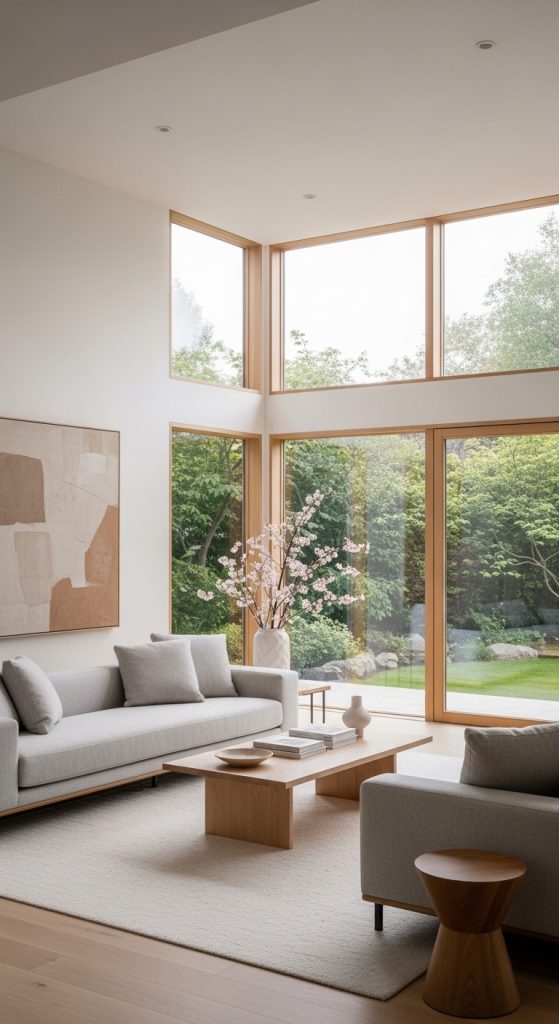
Minimalism lies at the core of contemporary design. A minimalist living space emphasizes simplicity, clean lines, and the careful selection of furniture. The aesthetic revolves around “less is more,” where every item has a purpose and contributes to the overall harmony of the room. Neutral color palettes such as whites, beiges, and greys dominate, creating a serene environment that allows natural light to accentuate architectural features.
In minimalist spaces, furniture is low-profile and functional. Modular sofas, sleek coffee tables, and storage-integrated units help maintain a clutter-free environment. Accessories are limited to one or two statement pieces, such as an abstract painting or a sculptural lamp. Minimalist living spaces are ideal for homeowners who appreciate order, clarity, and a sense of calm in their surroundings.
2. Open-Plan Interiors
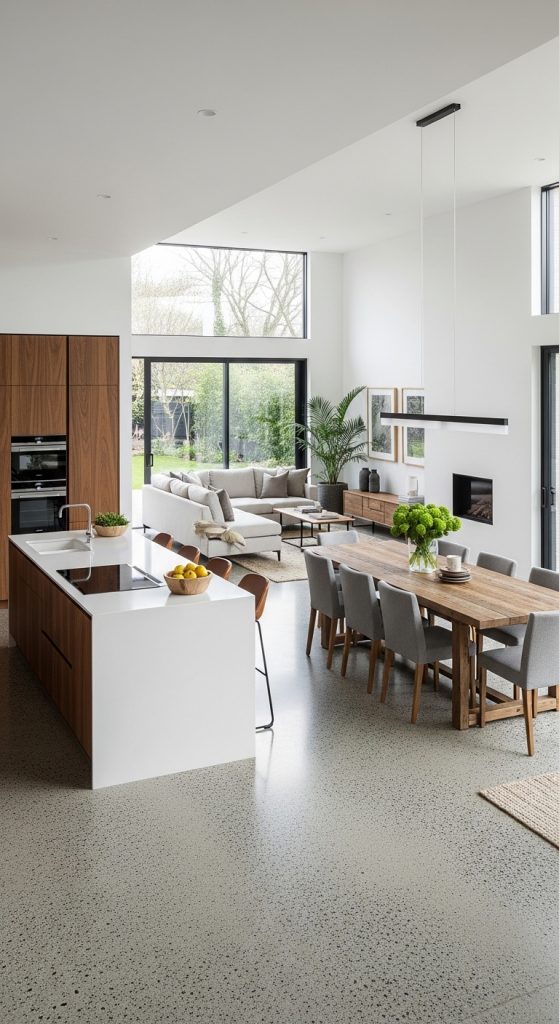
Open-plan layouts have become synonymous with contemporary living. This design approach removes unnecessary walls, creating seamless transitions between the kitchen, dining, and living areas. The concept prioritizes natural light, airflow, and spatial efficiency, making small spaces feel more expansive.
Furniture placement is essential in open-plan interiors to define functional zones without disrupting the flow. Low-profile partitions, area rugs, or strategically placed furniture can subtly indicate the boundaries of each area. The result is a cohesive, airy environment that encourages interaction while maintaining a sense of individuality within each space.
3. Neutral Color Palettes with Bold Accents
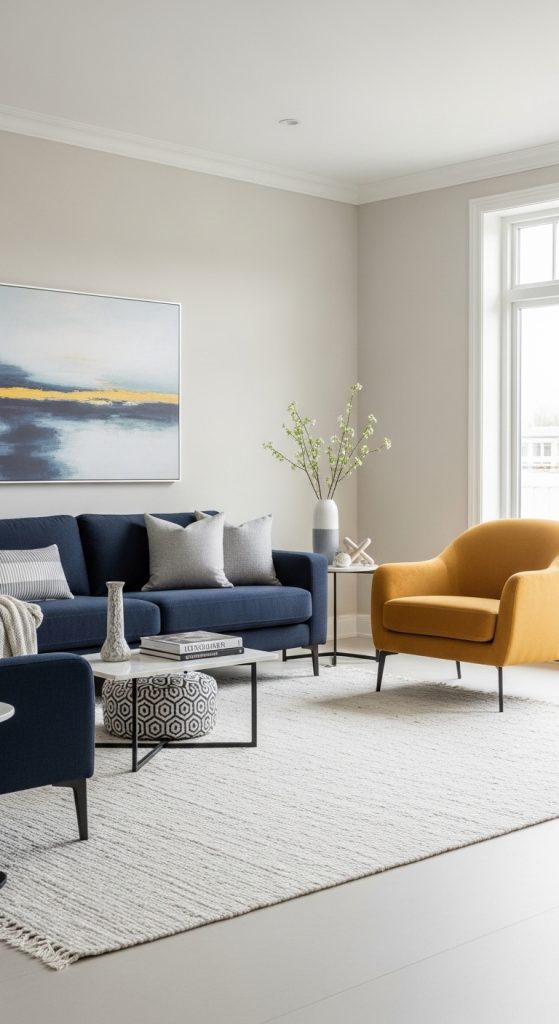
Contemporary interiors often rely on neutral color schemes to provide a calm and sophisticated backdrop. Shades of white, grey, taupe, and black create a versatile foundation suitable for any room. While neutral colors dominate, the contemporary aesthetic allows bold accent colors to create visual interest and personality.
Accents can be introduced through statement furniture, decorative pillows, artwork, or lighting fixtures. For example, a deep navy sofa against a white wall or a vibrant mustard armchair in a muted living room can become a focal point. The key is balance—ensuring that bold elements enhance rather than overpower the space. This approach provides flexibility for homeowners to change accents seasonally without redoing the entire design.
4. Integration of Natural Materials
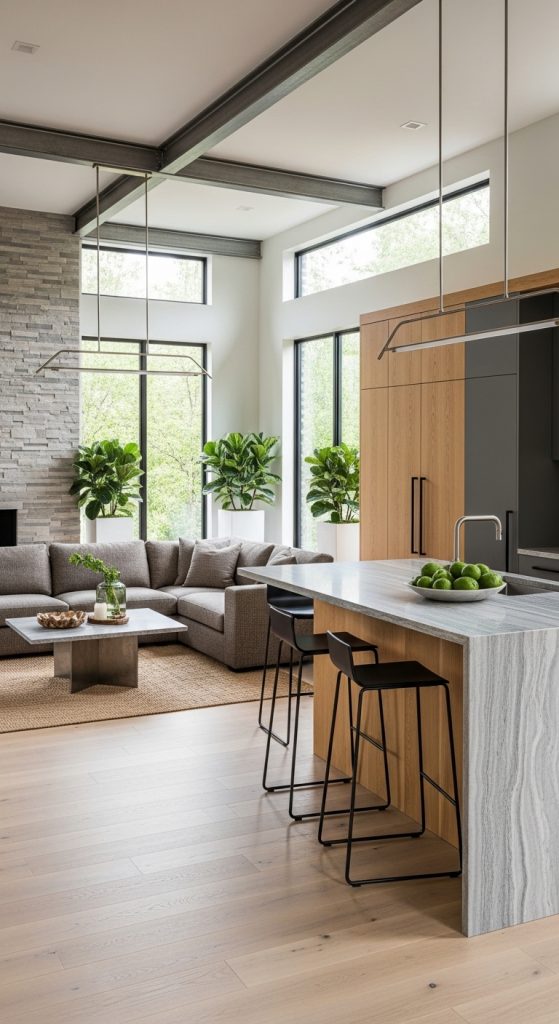
Contemporary design often celebrates the beauty of natural materials, including wood, stone, glass, and metal. Wood finishes add warmth and texture to otherwise minimalist interiors, while stone surfaces provide an organic, grounding element. Glass and metal introduce a sense of modernity, reflecting light and creating an open, airy atmosphere.
Incorporating natural materials can be done in multiple ways. Exposed wooden beams, hardwood floors, stone countertops, and glass walls or partitions bring authenticity and tactile interest. Natural textures not only enhance the aesthetic appeal but also create a sensory connection to the environment, making spaces feel more welcoming and balanced.
5. Statement Lighting
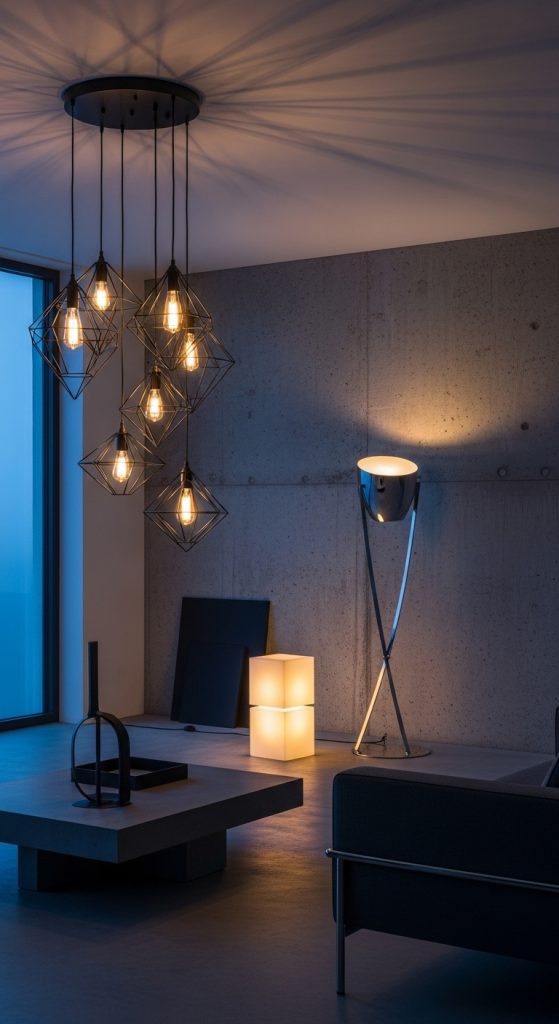
Lighting plays a transformative role in contemporary interior design. Beyond functionality, lighting serves as an artistic element, highlighting architectural features, creating mood, and emphasizing spatial depth. Contemporary interiors often feature statement lighting fixtures that combine style and utility.
Pendant lights, chandeliers with geometric designs, and floor lamps with sculptural forms can define the character of a room. Recessed and track lighting provide subtle illumination that enhances specific zones without overwhelming the space. Strategic layering of lighting—ambient, task, and accent—ensures versatility while maintaining a cohesive aesthetic.
6. Functional and Stylish Storage
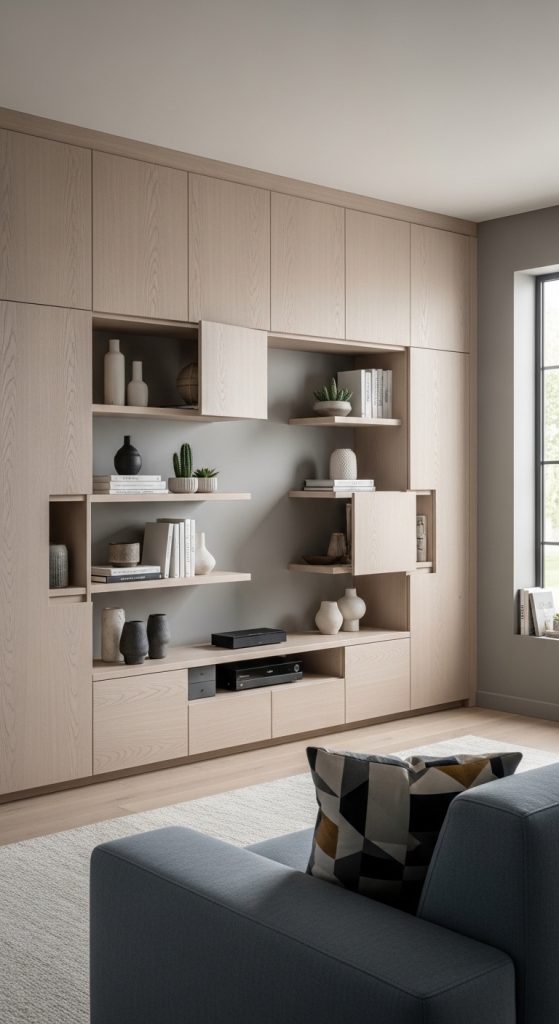
Contemporary interiors value not only beauty but also practicality. Clutter can quickly disrupt the clean and serene appearance that defines modern spaces. Functional storage solutions, therefore, play a critical role in maintaining aesthetic balance.
Innovative storage ideas include built-in cabinetry, floating shelves, concealed compartments, and multifunctional furniture such as ottomans with storage or beds with drawers. Integrating storage seamlessly into the design prevents visual chaos while allowing residents to enjoy both elegance and utility. The best storage solutions are those that blend effortlessly with the room’s design while providing accessibility and organization.
7. Open Shelving and Display Units
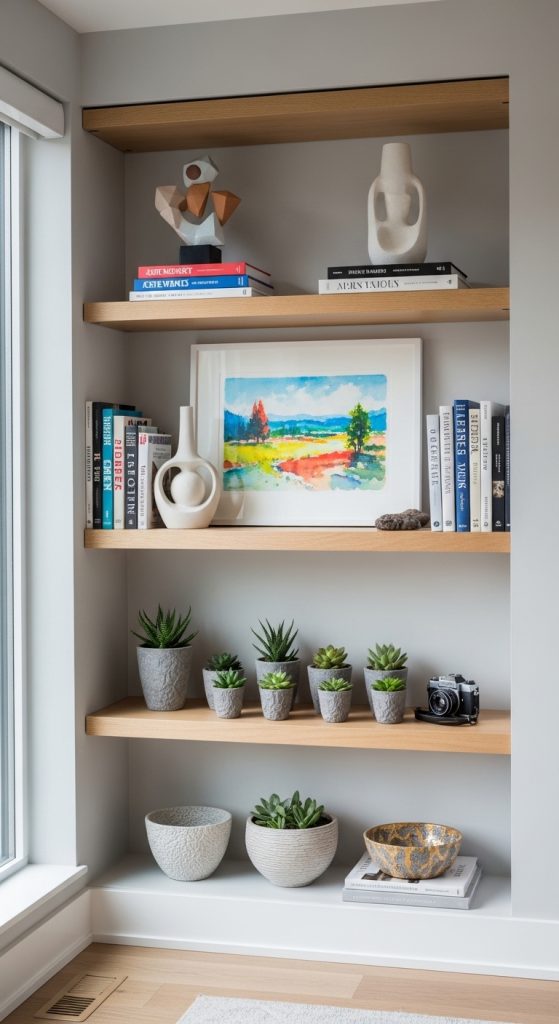
Open shelving has emerged as a stylish alternative to traditional closed cabinets. Contemporary interiors use open shelving to create visual interest, showcase personal collections, and add depth to walls. Properly curated shelves can display books, art pieces, vases, or plants, giving the room a personalized and lived-in feel.
To maintain the contemporary aesthetic, it is crucial to avoid overcrowding shelves. The arrangement should balance symmetry and asymmetry, using negative space as effectively as objects. Open shelving also allows for rotation of decorative items, giving homeowners the freedom to refresh the space periodically without significant investment.
8. Smart Home Integration
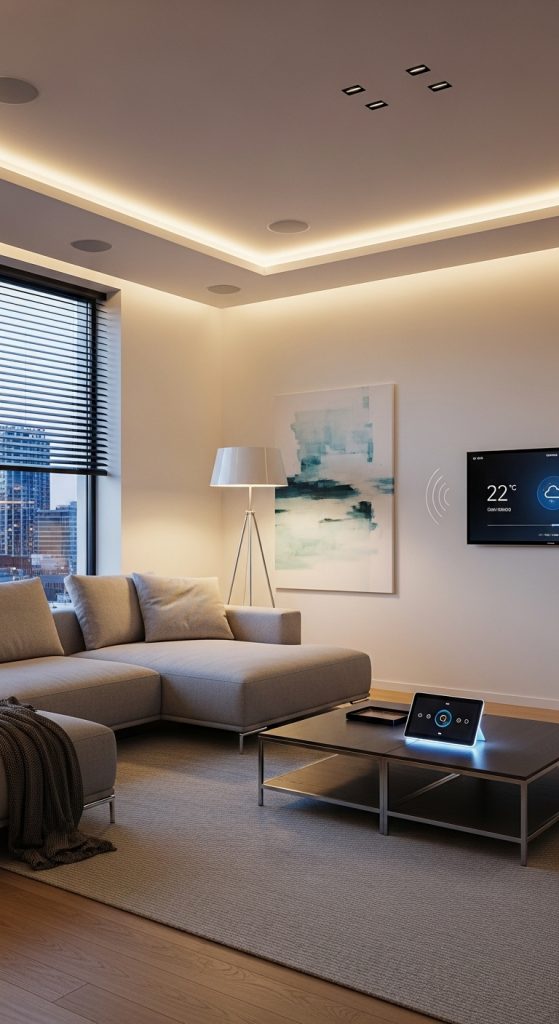
Modern living increasingly incorporates technology, and contemporary interiors embrace smart home solutions. Intelligent lighting systems, climate control, automated blinds, and integrated security systems offer convenience while complementing the design.
Smart home integration does not have to compromise aesthetics. Many contemporary systems feature sleek interfaces and minimal hardware, allowing technology to blend seamlessly into the environment. The result is a home that is not only visually stunning but also functional, adaptive, and responsive to the needs of its inhabitants.
9. Indoor-Outdoor Connection
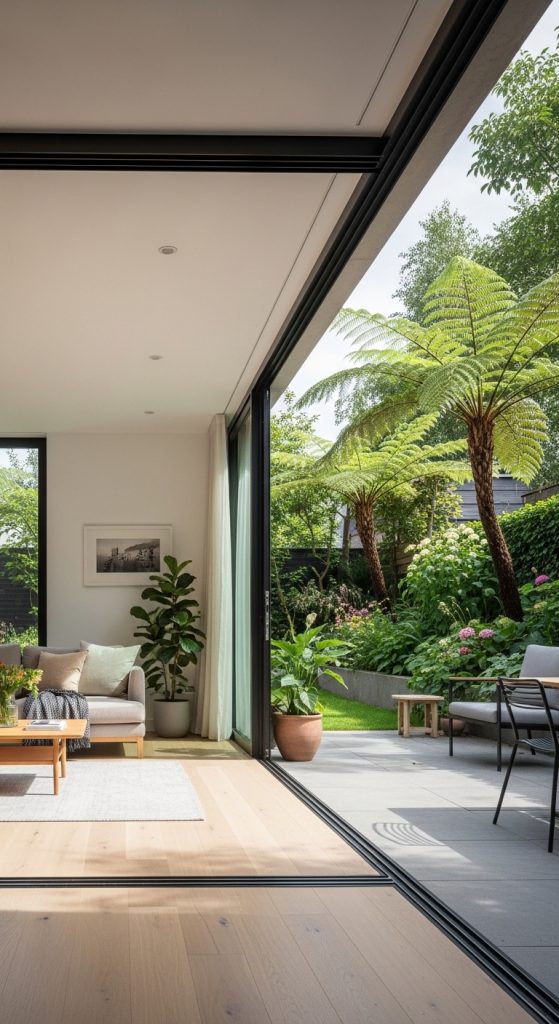
Connecting interior spaces with the outdoors is a hallmark of contemporary design. Large windows, sliding glass doors, and seamless flooring transitions create visual continuity between indoor and outdoor areas. This approach enhances natural light, expands spatial perception, and brings a sense of serenity inspired by nature.
Landscaping and exterior spaces should complement the interior aesthetic. Minimalist gardens, water features, and outdoor furniture in neutral tones can reinforce the contemporary feel. Bringing nature indoors through plants, green walls, or natural textures also enhances air quality and introduces a refreshing, organic element to living spaces.
10. Art and Sculptural Elements
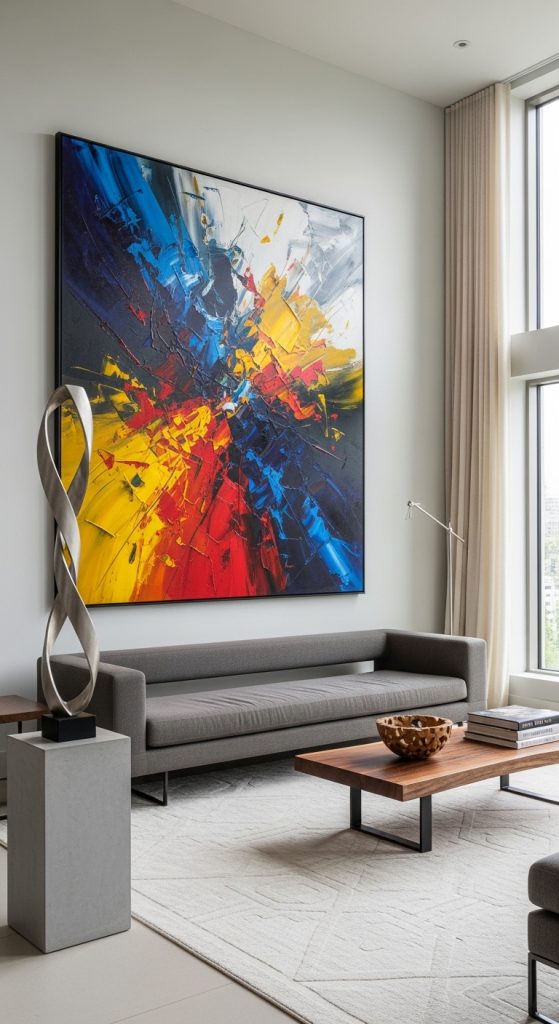
Contemporary interiors often feature art and sculpture as focal points, adding character and depth. Large-scale paintings, abstract art, or unique sculptures create visual interest without overwhelming the space. Art is a reflection of personality and can serve as a conversation starter or a source of inspiration.
In a contemporary aesthetic, the placement of art is deliberate. Walls are left uncluttered to allow individual pieces to stand out, and sculptures are strategically positioned to complement the flow of the room. The combination of minimalist design and expressive art creates a dynamic contrast that embodies both sophistication and individuality.
Final Thoughts
The contemporary interior design aesthetic is not about rigid rules but about embracing flexibility, creativity, and balance. From minimalist living spaces to bold art statements, contemporary design merges elegance with functionality. By incorporating open layouts, natural materials, innovative lighting, and smart storage, homeowners can create environments that are both visually pleasing and practically efficient.
Each of these ten contemporary design ideas offers a pathway to transform ordinary spaces into extraordinary ones. Whether you prefer a minimalist palette, dynamic lighting, or a strong connection with nature, contemporary design allows for personal expression while maintaining harmony. By integrating these concepts thoughtfully, you can achieve interiors that are timeless, inviting, and reflective of your unique lifestyle.




Leave a Reply