
Introduction
Creating an outdoor patio does not require a large budget or complex construction. With thoughtful planning and practical design choices, it is possible to build a functional and visually appealing outdoor space. This article presents structured Pinterest ideas focused on budget-friendly patio solutions that are accessible and easy to implement.

Readers will learn how to transform simple outdoor areas into organized and aesthetic patios using DIY methods. Each idea includes clear instructions, materials, and step-by-step guidance. These creative ideas support modern design preferences while remaining beginner friendly and suitable for different space sizes and layouts.
Why This Idea Is Trending or Useful
Outdoor patios have become a key focus in home decor due to their ability to extend living space without major renovations. Pinterest ideas related to patios are trending because they combine functionality with visual appeal while remaining cost-effective. Many homeowners and renters are searching for budget ideas that improve outdoor areas without requiring professional installation or expensive materials.
The popularity of DIY patio projects is driven by accessibility. Most designs rely on simple tools, recycled materials, or affordable supplies. This makes the process approachable for beginners who want to create something practical and personalized. These ideas also support organization and efficient use of space, which is essential for smaller patios or limited outdoor areas.
Modern design trends emphasize minimalist style, clean layouts, and natural textures. Budget patio ideas align well with these trends by focusing on simplicity and intentional decoration. As a result, these projects provide both creative inspiration and practical value for everyday use.
Materials and Preparation
Before starting any outdoor patio project, proper planning ensures efficient use of time and materials. Begin by evaluating the available space, measuring dimensions, and identifying the primary purpose of the patio. This step helps determine whether the design should focus on seating, dining, relaxation, or decoration. Planning also prevents unnecessary spending by aligning materials with actual needs.
Common materials include wooden pallets, gravel, concrete pavers, outdoor fabric, paint, and basic furniture items. Tools such as a measuring tape, shovel, drill, and level are typically required for most DIY setups. Choosing weather-resistant materials is essential to maintain durability and reduce maintenance.
Preparation involves clearing the area, leveling the ground, and marking the layout. This ensures stability and improves the final appearance. Budget planning is also important at this stage. Allocate costs for essential materials first, then adjust decorative elements based on remaining resources. Proper preparation simplifies the entire process and supports consistent results.
Idea 1: Pallet Seating Patio
How to Create
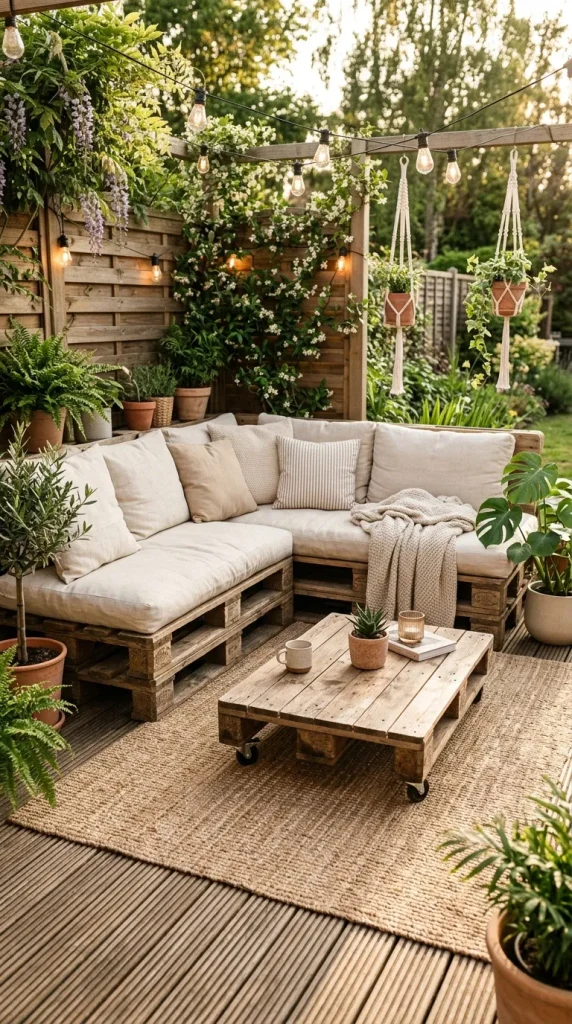
Pallet seating is a practical solution for creating a comfortable patio using minimal resources. This idea focuses on repurposing wooden pallets into functional seating arrangements. The design supports a minimalist style while allowing flexibility in layout. Pallets can be arranged in L-shapes, straight lines, or modular sections depending on space availability. This approach works well for both small and medium patios and aligns with modern design trends.
To create pallet seating, start by collecting clean and sturdy pallets. Sand the surface to remove rough edges and apply weather-resistant paint or sealant. Stack pallets to achieve the desired height and secure them with screws for stability. Add cushions made from affordable outdoor fabric to improve comfort. Arrange the seating around a central area such as a small table or fire pit. This step-by-step process ensures a durable and aesthetic patio setup.
Idea 2: Gravel Patio Layout
Step-by-Step Guide
A gravel patio is one of the most cost-effective outdoor solutions. It provides a clean and organized surface while requiring minimal materials. This design is suitable for uneven ground and does not involve complex construction. Gravel patios are commonly used in Pinterest inspiration because they offer a natural and modern look.
Begin by marking the patio area and removing grass or debris. Install a landscape fabric to prevent weed growth. Spread gravel evenly across the surface and level it using a rake. Define edges using bricks or stones to maintain structure. This method creates a stable and low-maintenance patio that fits budget ideas and supports long-term use.

Idea 3: Outdoor Rug Defined Space
How to Make
Using an outdoor rug is an easy project that defines patio space without structural changes. This idea focuses on creating visual boundaries that improve organization and layout clarity. Rugs add texture and enhance the overall aesthetic of the patio.
Select a weather-resistant rug that fits the available space. Place it in the center of the patio and arrange furniture around it. Ensure the rug is secured to prevent movement. This simple method transforms an empty area into a structured and visually appealing outdoor setup.

Idea 4: String Light Ambiance
Setup Method
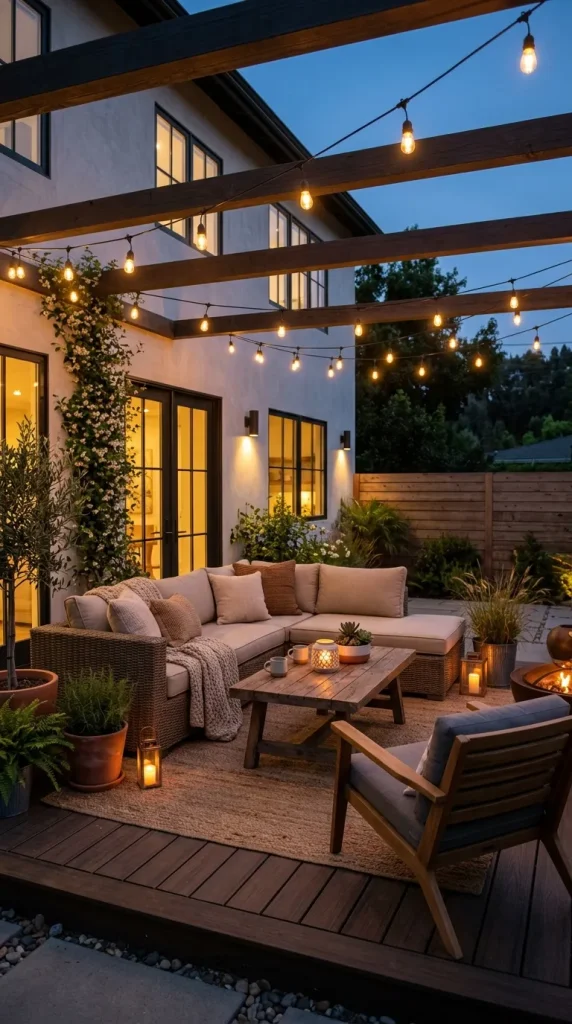
String lighting enhances patio atmosphere by providing soft illumination. This idea is widely used in creative projects because it improves usability during evening hours. Lighting also contributes to a modern and aesthetic environment.
Install hooks or poles around the patio area. Attach string lights securely and ensure proper spacing. Use solar-powered options to reduce electricity costs. This setup creates a warm and inviting outdoor space suitable for relaxation and gatherings.
Idea 5: DIY Concrete Block Seating
Execution Process
Concrete blocks offer a durable and affordable seating solution. This idea focuses on combining strength with simplicity. The design supports minimalist style and requires minimal tools.
Arrange concrete blocks in a stable formation and place wooden planks across them to create seating surfaces. Secure the structure and add cushions for comfort. This method produces a long-lasting and budget-friendly patio feature.

Idea 6: Vertical Garden Wall
How to Create
A vertical garden adds greenery without occupying floor space. This idea enhances decoration while maintaining organization. It is suitable for small patios where space is limited.
Use wooden frames or recycled materials to build a vertical structure. Attach pots or containers and fill them with plants. Secure the frame against a wall for stability. This approach improves visual appeal and introduces natural elements into the patio design.

Idea 7: Foldable Furniture Setup
Step-by-Step Guide
Foldable furniture is ideal for flexible patio use. This idea focuses on maximizing space efficiency while maintaining functionality. It is beginner friendly and easy to implement.
Select lightweight foldable chairs and tables. Arrange them based on usage needs and store them when not in use. This method keeps the patio organized and adaptable for different activities.

Idea 8: Painted Floor Design
How to Make
Painting the patio floor is a creative way to enhance appearance without expensive materials. This idea supports DIY decoration and allows customization.
Clean the surface and apply outdoor paint in patterns or solid colors. Use stencils for consistent designs. Allow proper drying time to ensure durability. This process creates a unique and personalized patio look.

Idea 9: Budget Fire Pit Area
Setup Method
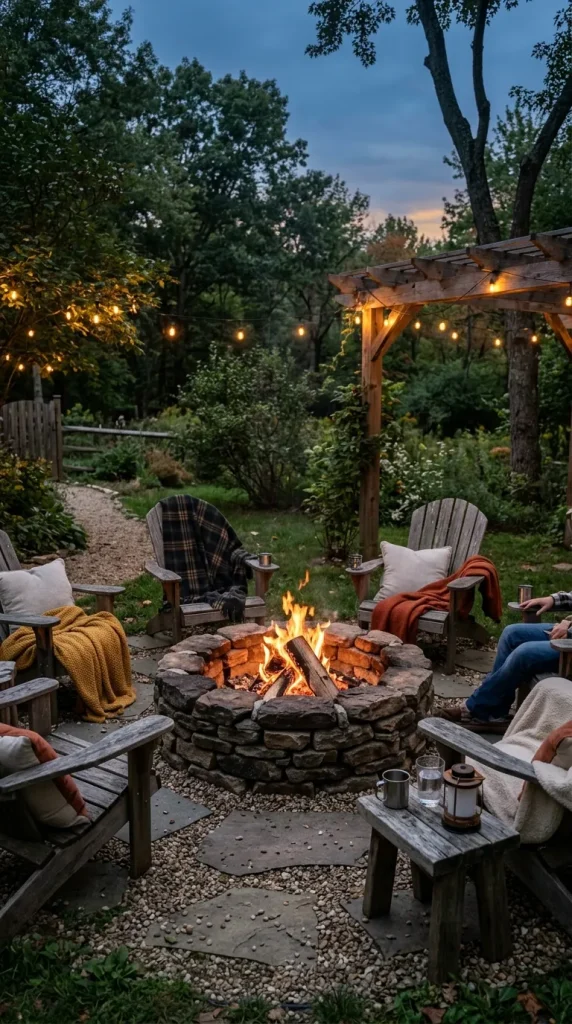
A small fire pit adds functionality and warmth to the patio. This idea is popular in Pinterest ideas due to its practical and social benefits.
Create a circular area using stones or bricks. Place a metal bowl or designated fire container in the center. Ensure safety by maintaining distance from flammable materials. This setup provides a focal point for outdoor gatherings.
Idea 10: Shade with Fabric Canopy
How to Create
A fabric canopy provides shade and improves comfort during daytime use. This idea is cost-effective and enhances the overall patio design.
Install poles or attach hooks to existing structures. Stretch durable fabric across the area and secure it tightly. Ensure proper tension to prevent sagging. This method creates a shaded and comfortable outdoor environment.

Common Beginner Mistakes and How to Avoid Them
One common mistake is starting a patio project without proper planning. This often leads to incorrect material selection and inefficient use of space. To avoid this, measure the area accurately and define the purpose of the patio before beginning. Another issue is choosing materials that are not weather-resistant, which reduces durability. Always select materials designed for outdoor use to ensure longevity.
Overcrowding the patio with too many elements is another frequent problem. This reduces functionality and disrupts organization. Maintain a balanced layout by focusing on essential features first. Ignoring ground preparation can also lead to unstable surfaces. Always level the area and ensure a solid foundation before adding structures or furniture. These adjustments improve both appearance and usability.
Practical Tips for Better Results
Achieving better results requires attention to detail and consistent execution. Start by selecting a clear design direction, such as minimalist style or natural aesthetics. This helps maintain visual consistency throughout the patio. Use neutral colors and simple materials to create a clean and modern look.
Focus on durability by applying protective coatings to wood and using stable construction methods. Regular maintenance, such as cleaning and checking stability, ensures long-term performance. Incorporate multi-functional elements like storage benches or foldable furniture to maximize efficiency. These tips enhance both practicality and visual appeal.
Styling, Presentation, or Organization Ideas
Styling plays a key role in transforming a basic patio into an aesthetic outdoor space. Arrange furniture in a way that supports movement and usability. Use symmetry or balanced layouts to create a structured appearance. Add decorative elements such as cushions, plants, and lighting to enhance visual interest.
Organization is equally important. Keep frequently used items accessible while storing unnecessary items to maintain a clean environment. Use containers or shelves to manage small accessories. Consistent styling improves the overall presentation and ensures the patio remains functional and visually appealing.
Budget or Time Planning
Effective budget planning ensures the project remains affordable and manageable. Start by listing essential materials and estimating costs. Prioritize structural elements such as flooring and seating before adding decorative features. This approach prevents overspending and keeps the project focused.
Time planning is also important. Divide the project into smaller steps, such as preparation, construction, and decoration. Allocate time for each phase to maintain steady progress. Completing one section at a time reduces complexity and improves efficiency. This structured approach supports successful project completion.
Creative Expansion and Advanced Inspiration
Once the basic patio setup is complete, additional features can enhance functionality and design. Consider adding layered lighting, custom-built furniture, or integrated storage solutions. These elements improve usability and create a more refined outdoor space.
Advanced ideas include combining multiple concepts, such as a gravel base with pallet seating and vertical gardens. This creates a cohesive and dynamic environment. Experimenting with textures, layouts, and decorative elements allows continuous improvement. These creative ideas provide long-term inspiration and encourage further development of the patio space.

Leave a Reply