
Introduction
Thrifted home decor ideas offer a practical way to create a personalized and stylish living space using affordable, secondhand items. These Pinterest ideas focus on transforming pre-owned pieces into functional and aesthetic decor through simple DIY methods and creative planning.
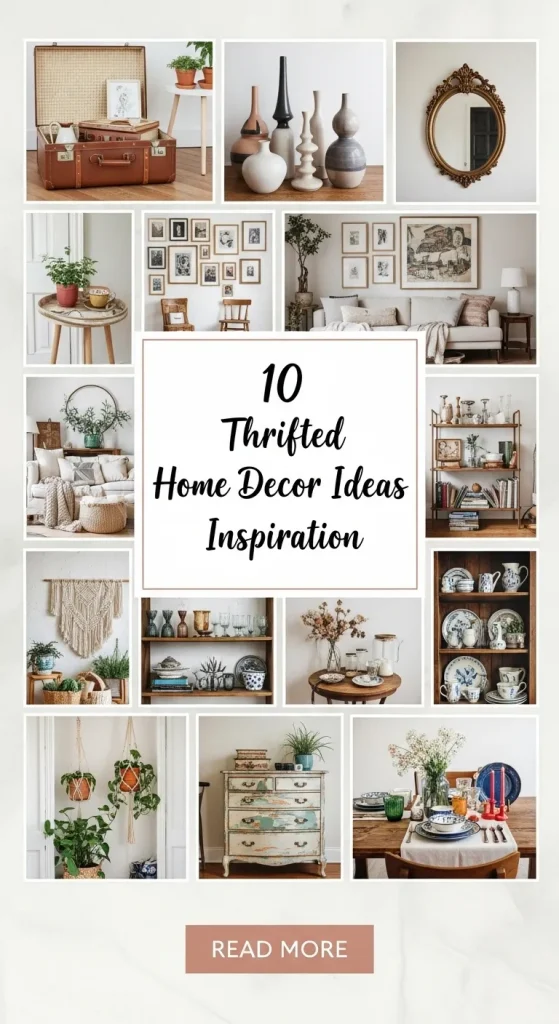
This article explains how to identify useful thrift items, prepare materials, and apply step by step techniques to create modern design elements. Readers will learn beginner friendly methods, organization strategies, and budget ideas for building a cohesive and visually appealing home decor setup.
Why This Idea Is Trending or Useful
Thrifted home decor ideas are widely popular because they combine affordability with creative flexibility. Many people seek ways to design their homes without relying on expensive purchases, and thrift stores provide access to unique items that support this goal. These trending ideas align with the growing interest in sustainable living, where reusing and repurposing materials reduces waste and promotes mindful consumption.
Another reason for their popularity is the strong DIY appeal. Beginners can easily start with simple projects that require minimal tools and basic materials. Pinterest ideas in this category often show clear before-and-after transformations, making the process easier to understand and follow. These projects also support a minimalist style by encouraging intentional selection and thoughtful arrangement of decor items rather than overconsumption.
Additionally, thrifted decor allows for complete customization. Unlike mass-produced products, secondhand items can be modified to match personal preferences. This makes each creative project unique while maintaining functionality. The accessibility of materials and ease of execution make these ideas suitable for a wide range of users.
Materials and Preparation
Before starting any thrifted home decor project, proper planning and preparation are essential. Begin by identifying the type of decor you want to create, such as wall art, storage solutions, or decorative accents. This helps in selecting the right materials during thrift store visits. Common materials include wooden frames, glass jars, baskets, fabric pieces, mirrors, and small furniture items.
Basic tools are required for most DIY projects. These include sandpaper, paint brushes, adhesive glue, measuring tape, and cutting tools. Depending on the project, additional materials such as paint, varnish, or decorative elements like rope and fabric may be needed. Organizing these materials before starting ensures a smoother workflow.
Preparation also involves cleaning and inspecting thrifted items. Remove dust, stains, or damage before use. Sand rough surfaces and repair minor defects to improve durability. Planning the design layout in advance helps maintain consistency and reduces errors during execution. This structured approach supports efficient completion and better results.
Idea 1: Vintage Frame Wall Gallery
How to Create
Creating a vintage frame wall gallery is a practical way to use thrifted frames for home decor. This idea focuses on collecting frames of different sizes, shapes, and textures to build a cohesive wall display. The concept works well for both modern design and minimalist style interiors, as it allows customization through arrangement and color coordination. Frames can be used empty for a structured aesthetic or filled with prints, fabric, or simple artwork.
Start by selecting frames with similar tones or repaint them to match your desired palette. Clean and sand the surfaces before applying paint if needed. Arrange the frames on the floor first to plan the layout. This step by step method helps avoid unnecessary wall adjustments later. Use a measuring tape to ensure even spacing during installation. Secure the frames using nails or adhesive hooks, depending on wall type. This DIY project is beginner friendly and requires minimal materials while delivering a strong visual impact.

Idea 2: Upcycled Glass Jar Storage
Step-by-Step Guide
Upcycled glass jar storage is a functional and aesthetic solution for organization. Thrifted jars can be repurposed into containers for kitchen, bathroom, or workspace use. This idea emphasizes practicality while maintaining a clean and organized appearance. Transparent jars allow easy visibility of contents, making them ideal for everyday use.
Begin by thoroughly cleaning the jars to remove labels and residue. Use warm water and mild soap for effective cleaning. After drying, consider painting the lids or adding labels for identification. Arrange the jars on shelves or inside cabinets based on usage. This easy project improves organization and reduces clutter. It also supports budget ideas by eliminating the need for new storage containers.

Idea 3: Wooden Crate Shelving
How to Make
Wooden crates from thrift stores can be transformed into versatile shelving units. This idea focuses on stacking or mounting crates to create storage or display areas. The natural texture of wood complements both rustic and modern design interiors, making it a flexible decor option.
Sand the crates to smooth rough edges and apply paint or varnish if desired. Decide on the arrangement, either vertical or horizontal, depending on available space. Secure the crates using screws or brackets for stability. This DIY tutorial provides a simple way to create storage while enhancing the overall aesthetic. It is beginner friendly and requires basic tools.

Idea 4: Fabric-Covered Decorative Boxes
Execution Process
Fabric-covered boxes offer a creative way to repurpose thrifted containers. This idea combines functionality with decorative appeal, making it suitable for storage and display. Boxes can be used to organize small items while contributing to overall home decor.
Choose fabric that matches your interior style. Cut the fabric according to box dimensions and attach it using adhesive glue. Smooth out wrinkles to achieve a clean finish. This step by step process ensures a neat and durable result. The project requires minimal materials and is ideal for beginners seeking creative ideas.

Idea 5: Repurposed Mirror Accent
How to Create
Thrifted mirrors can be redesigned into statement decor pieces. This idea focuses on enhancing mirror frames through painting or adding decorative elements. Mirrors help create a sense of space and improve lighting in a room.
Clean the mirror surface carefully and prepare the frame by sanding. Apply paint or attach materials such as rope or beads for added detail. Allow sufficient drying time before installation. This DIY project is simple and effective, offering both functionality and aesthetic improvement.

Idea 6: Basket Wall Decor
Setup Method
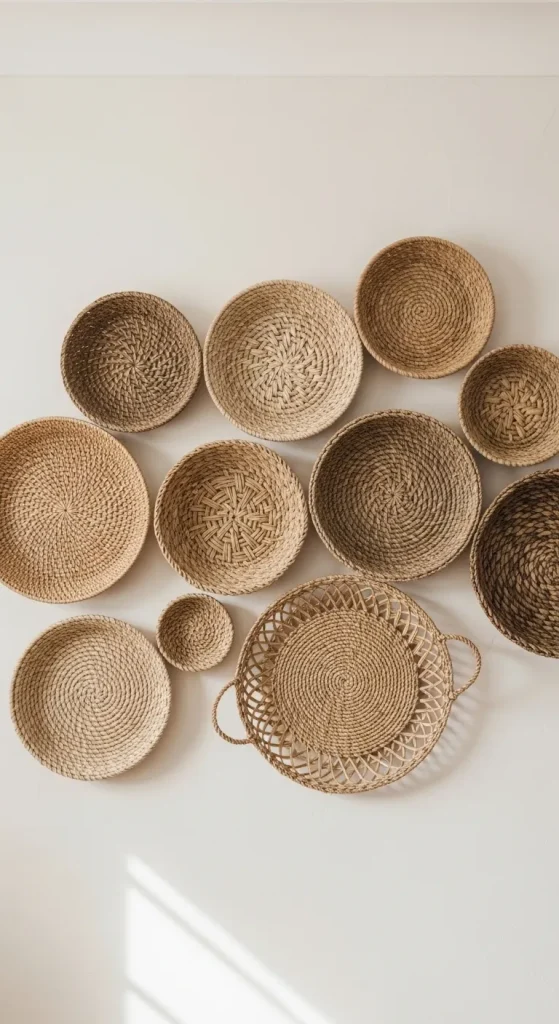
Basket wall decor involves arranging thrifted baskets to create a textured wall display. This idea works well for adding depth and visual interest without overwhelming the space. It supports minimalist style while maintaining a warm aesthetic.
Select baskets of different sizes and patterns. Clean them thoroughly before use. Arrange the layout on the floor to finalize placement. Attach them to the wall using hooks or nails. This easy project enhances home decor and requires minimal effort.
Idea 7: Painted Ceramic Planters
How to Make
Thrifted ceramic items can be converted into planters for indoor plants. This idea combines decoration with functionality, promoting a natural and refreshing environment. Planters can be customized to match any color scheme.
Clean the ceramic surface and apply primer if needed. Paint the exterior using suitable colors and allow it to dry completely. Add plants and place them in well-lit areas. This beginner friendly project requires basic materials and enhances aesthetic appeal.

Idea 8: Vintage Tray Organizer
Step-by-Step Guide
Vintage trays can be repurposed into organizers for various spaces. This idea focuses on using trays to group items neatly, improving organization and accessibility. It is suitable for kitchens, desks, or bathrooms.
Clean the tray and repair any damage if necessary. Use it to hold frequently used items in one place. This simple tutorial improves efficiency and reduces clutter. It is an easy project that requires minimal preparation.

Idea 9: Book Stack Decor
How to Create
Old books from thrift stores can be arranged into decorative stacks. This idea emphasizes layering and arrangement to create visual interest. Books can be tied with rope or placed under decorative items.
Select books with similar colors or sizes. Arrange them in stacks and position them on tables or shelves. This DIY approach enhances decor while maintaining simplicity. It is beginner friendly and cost-effective.

Idea 10: Repurposed Lamp Makeover
Execution Process
Thrifted lamps can be updated to match modern interiors. This idea involves repainting or replacing lamp shades to achieve a fresh look. It combines functionality with design improvement.
Clean the lamp base and apply paint if needed. Replace the shade with a suitable alternative. Ensure electrical components are safe before use. This creative project is practical and enhances lighting aesthetics.

Common Beginner Mistakes and How to Avoid Them
One common mistake in thrifted home decor projects is skipping the cleaning and preparation stage. Many beginners start decorating without properly inspecting items, which can lead to poor results. Cleaning removes dust, stains, and residues that affect paint adhesion and overall appearance. Always prepare materials before starting any DIY project.
Another mistake is poor planning. Without a clear layout or design concept, the final result may appear inconsistent. Use simple planning techniques such as sketching layouts or arranging items beforehand. Avoid overloading spaces with too many elements, as this reduces visual clarity. Focusing on organization and balance helps achieve better outcomes.
Practical Tips for Better Results
Consistency is essential when working on thrifted decor projects. Choose a color palette or theme before starting to ensure all elements align. This improves the overall aesthetic and prevents mismatched designs. Using neutral tones often supports a minimalist style.
Another useful tip is to work in stages. Complete one step fully before moving to the next. For example, finish cleaning and sanding before painting. This structured approach improves efficiency and reduces errors. Using proper tools also enhances precision and durability.
Styling, Presentation, or Organization Ideas
Proper styling enhances the impact of thrifted decor. Arrange items in groups rather than scattering them randomly. Grouping creates a sense of structure and improves visual appeal. Use varying heights and textures to add depth to the arrangement.
Organization also plays a key role. Keep functional items accessible while maintaining a clean layout. Avoid overcrowding shelves or surfaces. Balanced spacing ensures each piece stands out while contributing to the overall design.
Budget or Time Planning
Thrifted home decor projects are cost-effective, but planning is still necessary. Set a budget before purchasing materials to avoid unnecessary spending. Focus on items that can be reused or modified easily.
Time management is equally important. Break the project into smaller tasks and complete them step by step. This prevents delays and ensures consistent progress. Efficient planning helps complete projects within a reasonable timeframe.
Creative Expansion and Advanced Inspiration
Once basic projects are complete, consider expanding into more advanced ideas. Combine multiple thrifted items to create larger decor pieces. For example, merging frames and mirrors can produce unique wall installations.
Experimenting with techniques such as layering, repainting, or restructuring materials adds variety. These creative ideas allow further customization while maintaining functionality. Advanced projects build on basic skills and provide new inspiration for future designs.





Leave a Reply