
Introduction
Designing a kids-inspired room for an adult girl blends playful creativity with functional living. This concept transforms youthful elements into refined, practical spaces. It focuses on color, texture, and organization. Readers will learn how to create balanced interiors using Pinterest ideas, combining comfort, personality, and modern design.

This topic is useful because it offers a fresh approach to home decor. It allows individuals to reconnect with creativity while maintaining structure and usability. The article provides clear, step by step guidance, practical materials, and beginner friendly ideas to create an aesthetic, organized, and personalized space.
Why This Idea Is Trending or Useful
Kids room ideas adapted for adults have become popular because they combine nostalgia with modern functionality. Pinterest ideas in this category focus on soft colors, playful decor, and efficient organization. These designs are visually appealing while still supporting everyday living needs. The trend emphasizes comfort, creativity, and personalization without sacrificing structure.
This approach is useful because it supports DIY creativity and flexible design choices. It is beginner friendly and works well with budget ideas. Many concepts use simple materials and easy project techniques. The blend of aesthetic appeal and practicality makes it accessible for different spaces, whether large rooms or compact apartments.
Materials and Preparation
Before starting this creative project, proper planning is essential. Begin by identifying the room size, layout, and natural lighting. Select a color palette that blends playful tones with neutral shades. Common materials include wall paint, wallpaper, storage bins, shelves, soft textiles, lighting fixtures, and decorative items.
Preparation involves clearing the space and organizing existing furniture. Measure areas for storage and decor placement. Create a basic layout plan to avoid overcrowding. Choose multifunctional furniture to maintain organization. Keep tools like measuring tape, adhesive hooks, brushes, and basic DIY supplies ready. Proper planning ensures a smooth and efficient setup process.
Idea 1: Soft Pastel Dream Room
How to Create
Soft pastel themes create a calm and aesthetic environment while maintaining a playful touch. This concept uses light shades such as blush pink, lavender, mint, and soft blue. These colors reflect light well and make the room feel open. Incorporating pastel tones into walls, bedding, and decor creates a cohesive look that feels balanced and inviting.
To create this setup, start by painting one feature wall or using pastel wallpaper. Add neutral furniture to balance the softness. Use lightweight curtains and soft rugs for texture. Storage baskets in matching tones help maintain organization. Decorative elements like cushions, wall art, and lamps should follow the same palette. This step by step approach ensures a consistent and beginner friendly result.

Idea 2: Minimalist Cartoon Accent Space
Step-by-Step Guide
This idea combines minimalist style with subtle cartoon-inspired elements. Instead of overwhelming the space, it uses small accents like framed illustrations or simple character shapes. The focus remains on clean lines and open space while adding personality through controlled decoration.
Begin by choosing neutral wall colors such as white or beige. Add one or two cartoon-inspired frames as focal points. Use simple furniture with straight edges. Keep surfaces uncluttered to maintain organization. Storage should be hidden or minimal. This method ensures the design stays modern while incorporating playful inspiration without excess.

Idea 3: Cozy Floor Seating Lounge
How to Make
A floor seating setup creates a relaxed and creative environment. It uses cushions, low seating, and layered textiles to provide comfort. This design is inspired by kids’ spaces but adapted for adult usability. It encourages relaxation and flexible use of space.
Start by selecting a soft rug as the base. Add floor cushions, bean bags, or low sofas. Arrange seating in a circular or semi-open layout. Include small side tables for functionality. Use warm lighting to enhance the atmosphere. This setup is easy to adjust and works well for different room sizes.

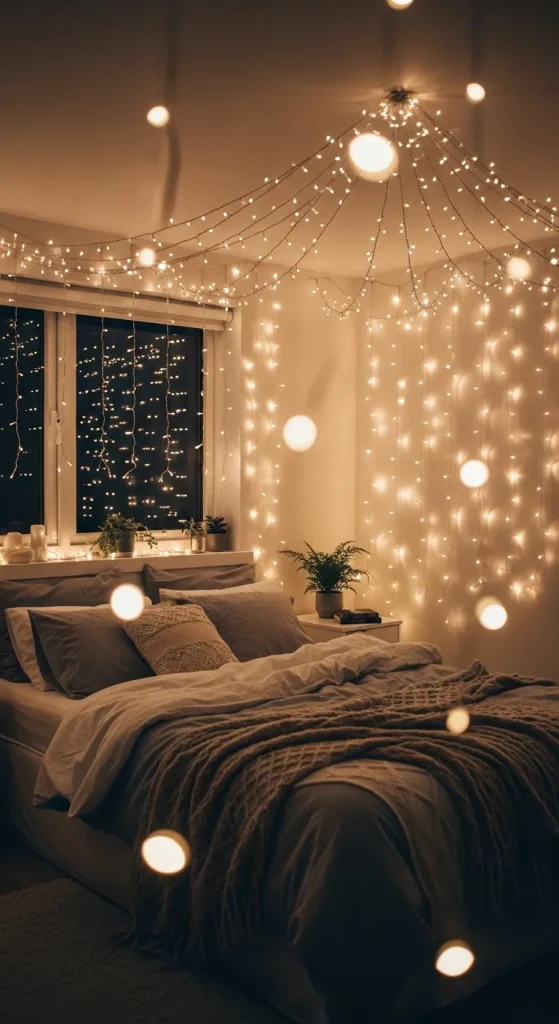
Idea 4: Whimsical Fairy Light Room
Execution Process
Lighting plays a major role in transforming a space. Fairy lights create a soft and decorative atmosphere. This idea focuses on layering lights to add warmth and visual interest while maintaining a clean design.
Install string lights along walls, shelves, or ceilings. Use clips or hooks for easy placement. Combine with table lamps or soft overhead lighting. Avoid overloading the space with too many light sources. The goal is balanced illumination. This approach enhances both aesthetic and functionality.
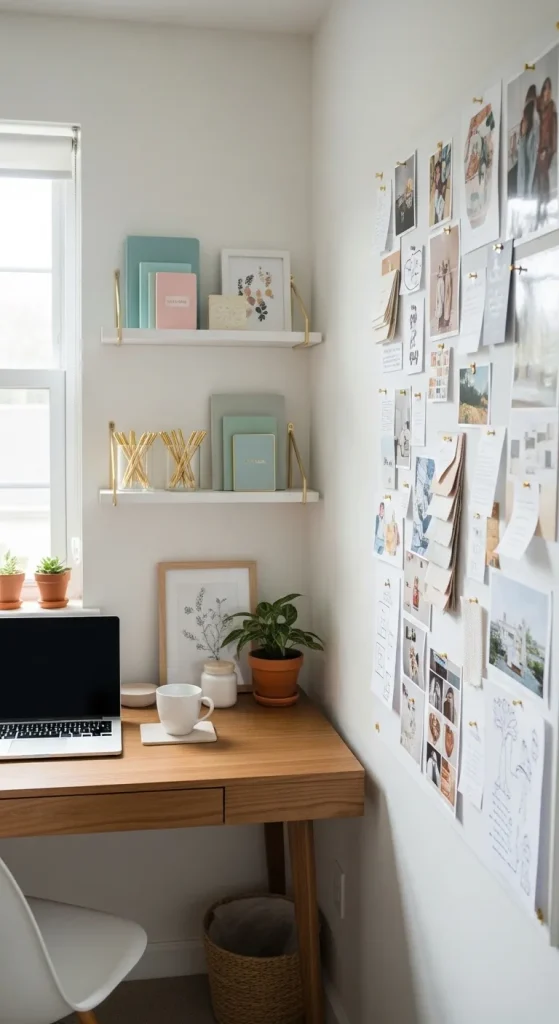
Idea 5: Organized Creative Corner
Setup Method
A dedicated creative corner supports hobbies and productivity. It includes a desk, storage, and inspiration boards. This design keeps materials organized while encouraging creativity.
Choose a compact desk and place it near natural light. Add shelves for storage. Use organizers for tools and supplies. Install a pinboard or wall grid for inspiration. Keep the area clutter-free. This ensures efficiency and maintains a clean look.
Idea 6: Plush Texture Comfort Room
How to Create
Texture adds depth to a room. This idea uses soft materials like faux fur, velvet, and cotton to create a cozy environment. It enhances comfort without overwhelming the space.
Layer different fabrics through rugs, blankets, and cushions. Choose a consistent color scheme. Balance soft textures with simple furniture. Keep arrangement organized to avoid clutter. This method creates a welcoming and comfortable setting.

Idea 7: Study and Relax Hybrid Space
Step-by-Step Guide
Combining study and relaxation areas improves space efficiency. This design divides the room into functional zones without using physical barriers.
Use furniture placement to define areas. A desk for work and a bed or seating area for relaxation. Maintain consistent color themes. Add storage solutions to keep both areas organized. This layout supports productivity and comfort.

Idea 8: Wall Art Gallery Room
How to Make
A gallery wall adds personality and visual interest. It uses framed prints, photos, or illustrations arranged in a structured layout.
Plan the arrangement before hanging. Use equal spacing for a clean look. Choose frames that match the room’s style. Avoid overcrowding. This keeps the design balanced and visually appealing.

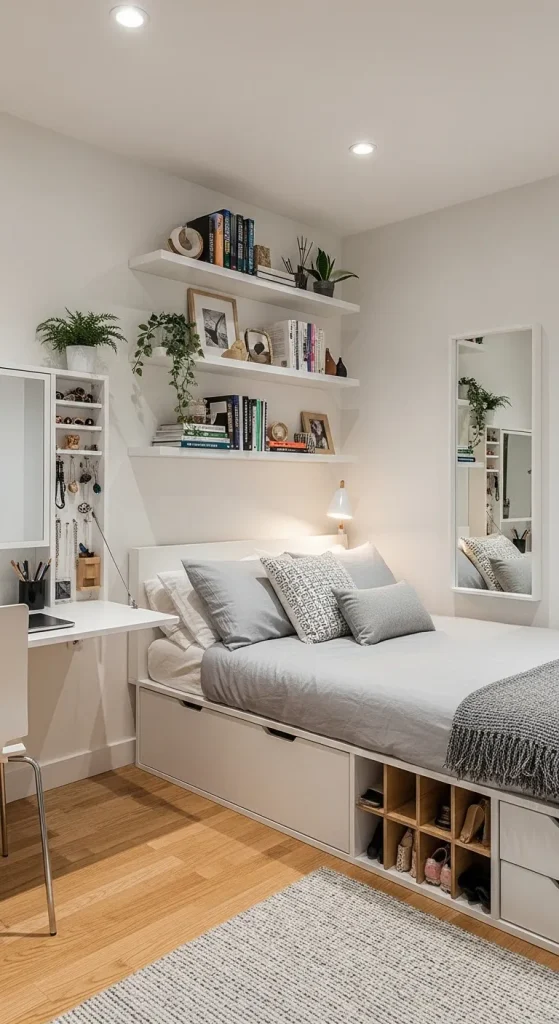
Idea 9: Compact Storage Smart Room
Execution Process
Efficient storage is essential for maintaining organization. This idea focuses on maximizing space through smart solutions.
Use under-bed storage, wall shelves, and multifunctional furniture. Keep frequently used items accessible. Label storage containers for easy use. This approach ensures a tidy and functional room.
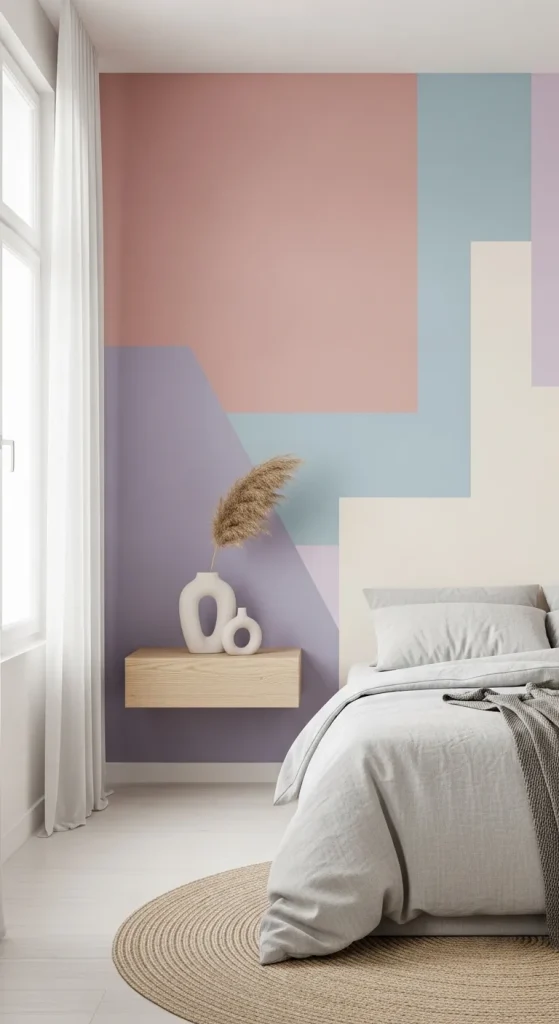
Idea 10: Soft Color Block Design
How to Create
Color blocking introduces visual structure while keeping the design playful. It uses sections of different colors to define areas.
Select two or three complementary colors. Apply them to walls or decor elements. Keep furniture neutral to balance the look. This technique adds interest without overwhelming the space.
Common Beginner Mistakes and How to Avoid Them
One common mistake is over-decorating the space, which leads to clutter. Many beginners try to include too many Pinterest ideas at once. This reduces functionality and visual clarity. Another issue is poor planning, where furniture and decor do not align with the room size.
To avoid these problems, start with a clear layout plan. Focus on one idea at a time. Maintain balance between decoration and organization. Choose multifunctional items. Keep pathways clear and ensure proper lighting. These steps improve both usability and aesthetic quality.
Practical Tips for Better Results
Consistency is key when working on a creative project. Stick to a defined color palette and style. This ensures a cohesive look. Use layering techniques with materials and textures to add depth without clutter.
Measure all areas before purchasing materials. Test small design elements before committing fully. Maintain regular organization to keep the space functional. These tips help achieve professional-looking results even for beginners.
Styling, Presentation, or Organization Ideas
Styling enhances the final appearance of the room. Arrange decor items in groups rather than spreading them randomly. Use symmetry where possible. Keep surfaces clean and organized.
Incorporate storage solutions that match the overall design. Display items that add value to the space. Avoid unnecessary decoration. Proper presentation ensures the room remains both aesthetic and practical.
Budget or Time Planning
Planning helps control both cost and effort. Start with essential items before adding decorative elements. Use DIY techniques to reduce expenses. Repurpose existing furniture where possible.
Divide the project into smaller steps. Complete one section at a time. This makes the process manageable and efficient. Budget ideas and structured planning help achieve results without overspending.
Creative Expansion and Advanced Inspiration
Once the basic design is complete, additional enhancements can be added. Introduce seasonal decor changes to refresh the space. Experiment with lighting variations or new textures.
Advanced ideas include custom furniture, wall murals, or layered lighting systems. Continue exploring Pinterest ideas for inspiration. Expanding gradually ensures the space evolves while maintaining organization and design consistency.


Leave a Reply