
Introduction
Curtains behind the bed are a practical and visually effective approach in modern home decor. This Pinterest idea combines softness, structure, and design balance. It transforms a plain bedroom wall into a focal point using simple materials. The concept suits various styles, including minimalist, layered, and aesthetic interiors, making it adaptable for different spaces and preferences.
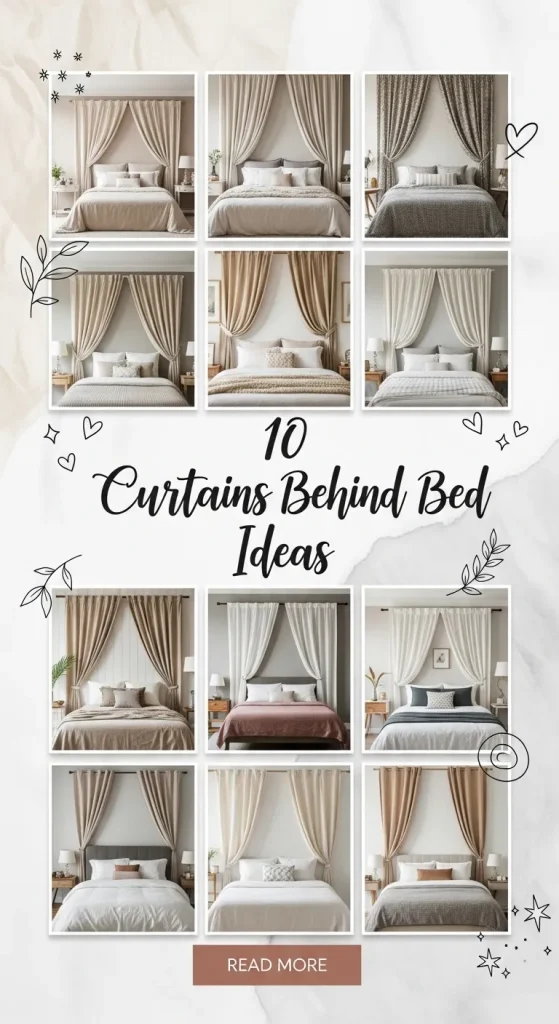
This article explains how to use curtains behind the bed as a creative project. It covers materials, planning, and step by step methods for multiple designs. Readers will learn practical ways to improve bedroom styling, create depth, and enhance organization. The ideas focus on beginner friendly execution while maintaining a modern design approach.
Why This Idea Is Trending or Useful
Curtains behind the bed have become popular in Pinterest ideas because they offer both design and functional value. This approach allows users to upgrade bedroom decor without major renovation. It works well for renters and small spaces, where permanent changes are limited. Curtains add softness, improve acoustics, and visually define sleeping areas. These qualities make them suitable for modern design and minimalist style setups.
Another reason for the trend is its DIY appeal. The project requires basic materials and simple tools, making it accessible to beginners. It also supports creative ideas such as layering fabrics, adding textures, or using neutral tones for an aesthetic look. Curtains can hide imperfections on walls or act as a backdrop for lighting and decoration. This flexibility makes the idea practical, budget friendly, and widely adaptable for different home decor themes.
Materials and Preparation
Before starting this creative project, proper planning ensures smooth execution. Basic materials include curtain fabric, curtain rods or ceiling tracks, mounting brackets, screws, measuring tape, and a drill. Optional elements such as hooks, tiebacks, or LED lighting can enhance the final look. Choosing the right fabric is important. Light fabrics create an airy feel, while heavier materials add depth and structure.
Preparation begins with measuring the wall space behind the bed. Accurate dimensions help in selecting the correct curtain size and placement. Decide whether the curtains will extend from ceiling to floor or only cover the headboard area. Planning also includes selecting colors that match the bedroom theme. Neutral tones support a minimalist style, while textured fabrics create a layered aesthetic. Ensuring proper alignment and secure installation prevents uneven results and improves durability.
Idea 1: Full Wall Curtain Backdrop
How to Create
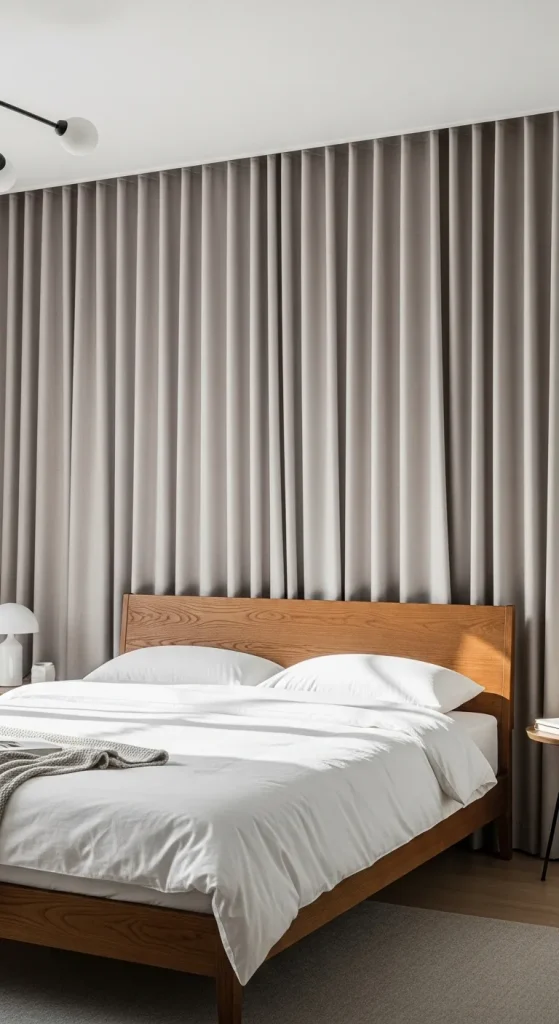
This idea involves covering the entire wall behind the bed with curtains to create a seamless and soft backdrop. It is commonly used in modern design to replace traditional headboards. The full wall approach visually expands the room and creates a clean, organized appearance. This method works well in both large and small bedrooms because it reduces visual clutter and adds uniformity.
To create this setup, install a ceiling-mounted curtain track across the width of the wall. Choose floor-length curtains to achieve a continuous flow. Use lightweight fabric for an airy look or thicker material for added texture. Ensure the curtains are evenly spaced and slightly gathered for a natural drape. Align the bed centrally with the curtain backdrop to maintain symmetry. This step by step method is beginner friendly and provides a strong aesthetic impact.
Idea 2: Layered Sheer and Opaque Curtains
Step-by-Step Guide
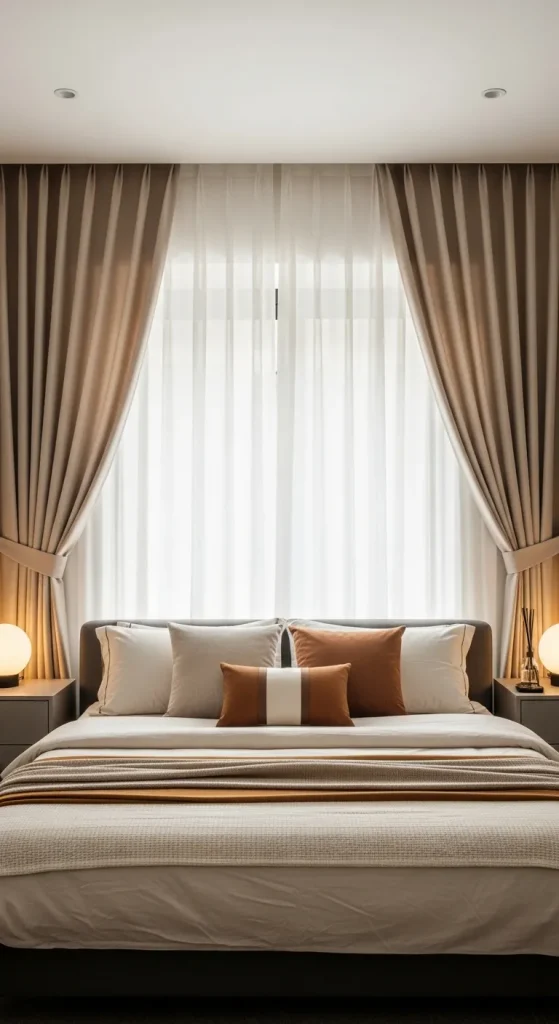
Layered curtains combine two types of fabric to create depth and visual interest. Sheer curtains allow light to pass through, while opaque curtains provide structure. This combination enhances the aesthetic and adds flexibility in styling. It is a popular Pinterest inspiration for creating a soft yet defined bedroom backdrop.
Start by installing a double curtain rod or track system. Hang sheer curtains on the inner layer and heavier curtains on the outer layer. Adjust the arrangement based on lighting needs and design preference. Keep the colors complementary to maintain balance. This setup allows easy adjustments, making it a practical and creative project. The layered effect enhances the overall home decor while remaining simple to execute.
Idea 3: Minimalist Neutral Curtain Panel
How to Make
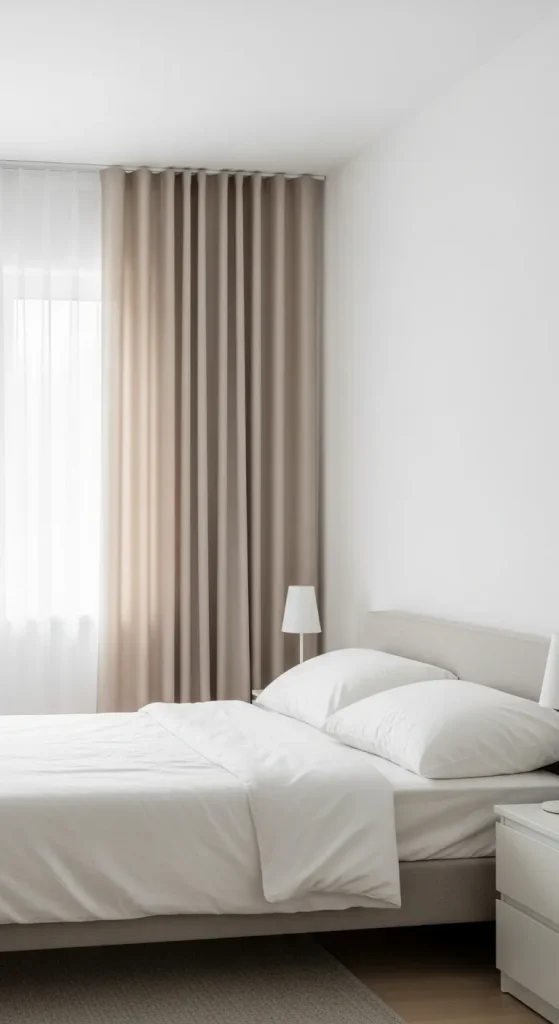
A minimalist curtain panel focuses on simplicity and clean lines. This idea uses a single fabric panel behind the bed to create a subtle focal point. Neutral tones such as white, beige, or gray support a calm and organized environment. This design aligns with modern design and minimalist style principles.
To implement this idea, install a narrow curtain rod slightly above the headboard. Choose a fabric with minimal texture to maintain a clean appearance. The panel should extend slightly beyond the bed width for balance. Keep the arrangement symmetrical and avoid excessive layering. This easy project requires limited materials and offers a refined aesthetic suitable for beginners.
Idea 4: Canopy Style Curtain Frame
Execution Process
A canopy-style curtain setup creates a cozy and enclosed sleeping area. It adds height and dimension to the bedroom. This idea is often used in aesthetic and decorative Pinterest ideas to create a soft, intimate environment. It works well in both modern and traditional interiors.
To create this design, install curtain rods or tracks on the ceiling around the bed perimeter. Use lightweight fabric to allow smooth draping. Let the curtains fall naturally around the bed frame. Secure the sides with tiebacks if needed. Ensure the installation is stable and aligned. This setup transforms the bed into a focal point while maintaining a practical and beginner friendly approach.
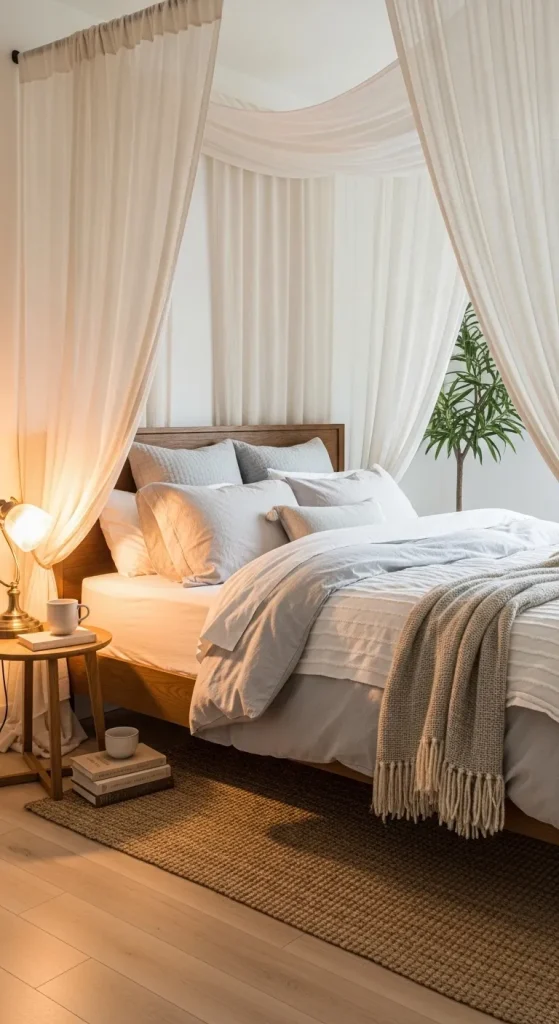
Idea 5: Curtain with Integrated Lighting
Setup Method
This idea combines curtains with soft lighting to enhance the bedroom atmosphere. Adding LED lights behind or within the curtain creates a warm and layered effect. It is a trending idea in Pinterest decor because it merges functionality with aesthetic appeal.
Install a curtain rod and hang semi-transparent fabric. Place LED strip lights along the wall or behind the curtain track. Ensure the lights are evenly distributed for consistent illumination. Secure all wiring safely. This step by step process creates a glowing backdrop that enhances the overall design. The combination of light and fabric adds depth and makes the space more inviting.
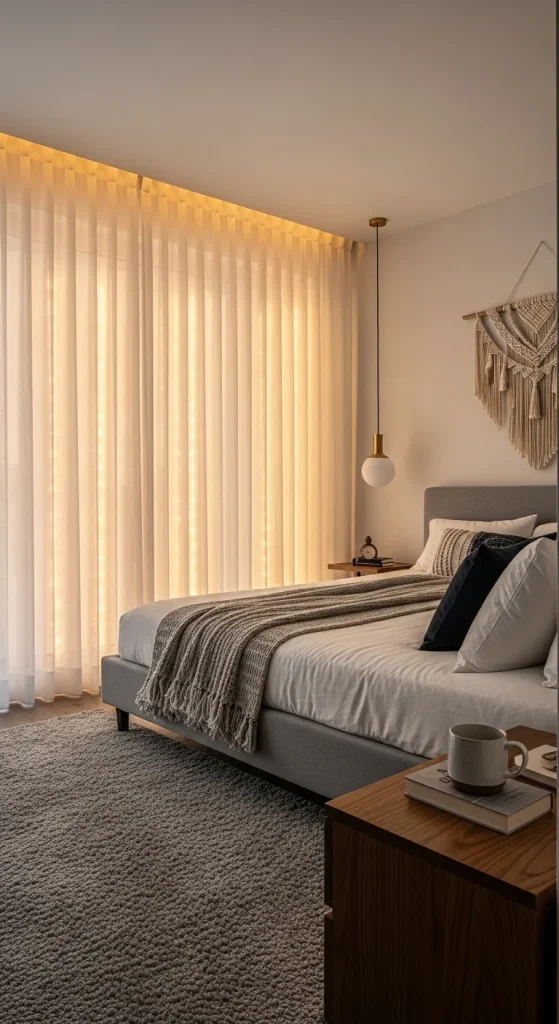
Idea 6: Textured Fabric Curtain Feature
How to Create
Textured curtains introduce visual depth and tactile interest. Fabrics such as linen or woven materials create a natural and organic look. This idea is suitable for those seeking a more detailed and layered home decor style.
Choose a textured fabric that complements the room color palette. Install a sturdy curtain rod to support the material weight. Allow the fabric to drape naturally without excessive tension. Maintain even spacing for a balanced appearance. This approach adds dimension to the bedroom while remaining easy to execute. It is a practical creative project that enhances visual appeal.
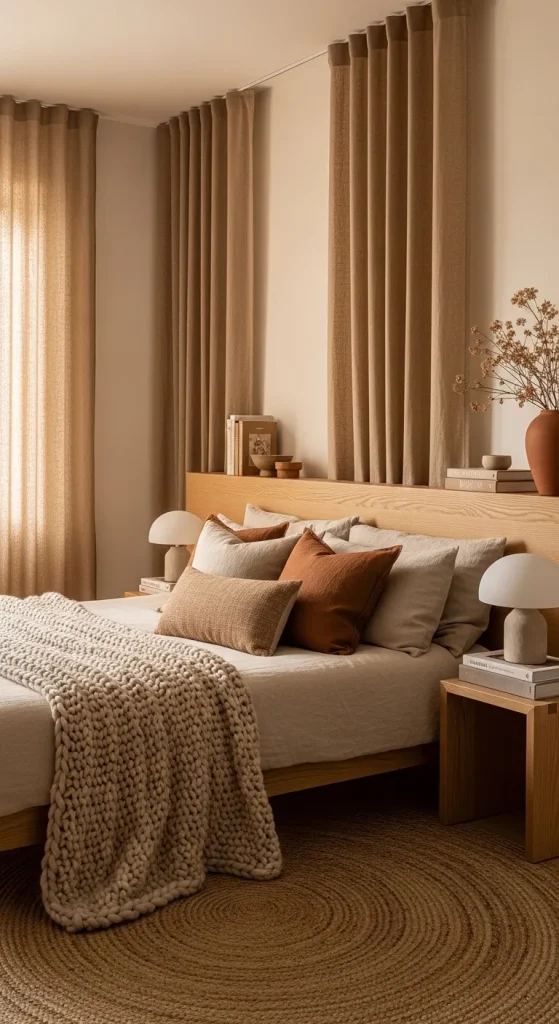
Idea 7: Curtain Divider Behind Bed
How to Make
This idea uses curtains as a divider to separate the sleeping area from the rest of the room. It is particularly useful in studio apartments or shared spaces. Curtains provide flexibility and can be adjusted as needed.
Install a ceiling track that extends slightly beyond the bed width. Hang full-length curtains to create a partition. Choose thicker fabric for privacy or lighter fabric for openness. Ensure smooth movement along the track. This setup improves organization and creates a defined sleeping area. It is a functional and beginner friendly solution.
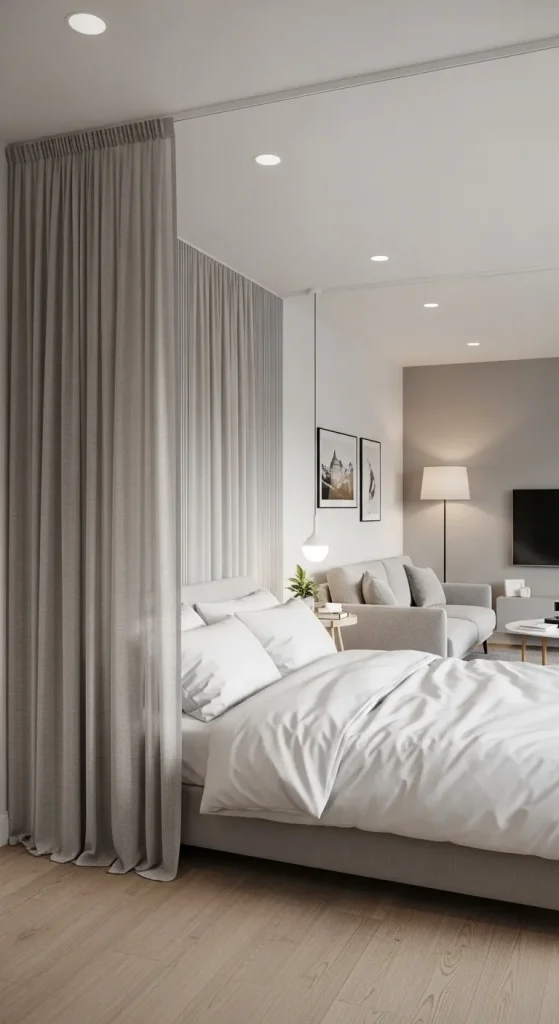
Idea 8: Patterned Curtain Accent Wall
Step-by-Step Guide
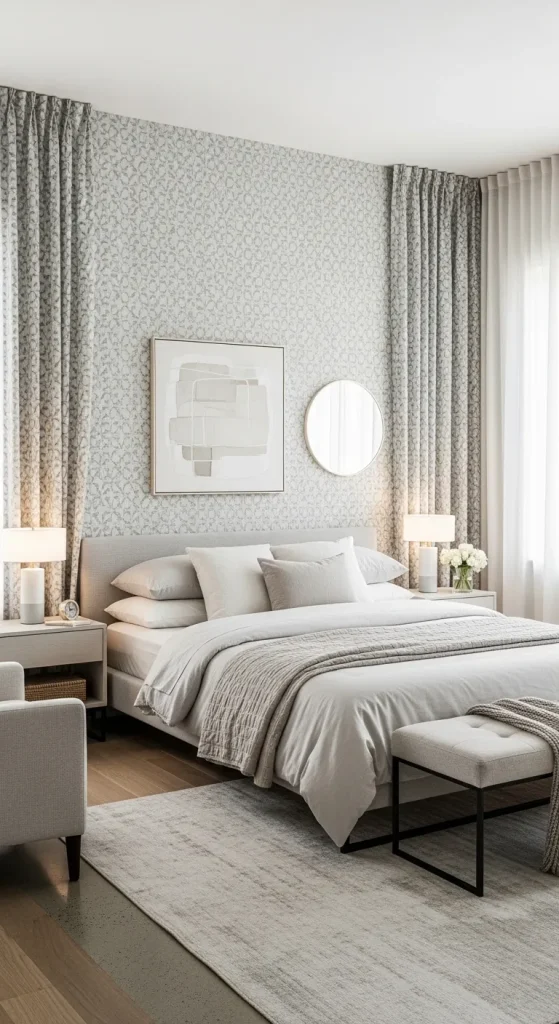
Patterned curtains can act as an accent wall behind the bed. This idea adds character without using paint or wallpaper. It is a creative way to introduce patterns into the bedroom design.
Select a fabric with subtle or bold patterns depending on the desired effect. Install a curtain rod across the wall. Ensure the pattern aligns evenly when the curtains are closed. Avoid overcrowding with additional decor. This method creates a strong focal point and enhances the overall aesthetic.
Idea 9: Floating Curtain Panel Design
How to Create
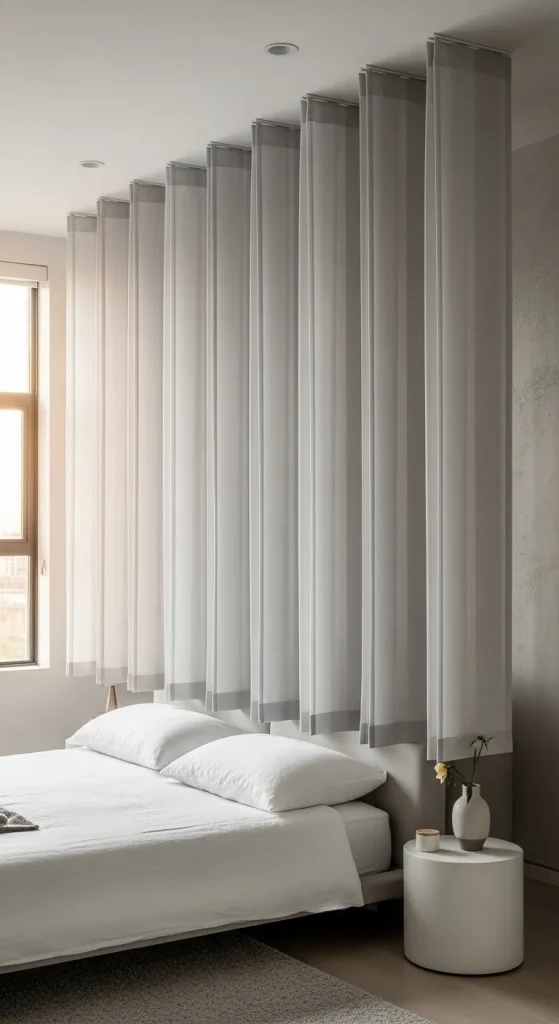
Floating curtain panels create a modern and lightweight appearance. The panels are spaced apart, allowing parts of the wall to remain visible. This design adds structure without overwhelming the space.
Install multiple narrow rods or a segmented track system. Hang separate curtain panels with equal spacing. Use lightweight fabric to maintain a soft look. Ensure alignment for consistency. This idea provides a clean and organized appearance while maintaining visual interest.
Idea 10: Curtain with Decorative Tiebacks
Execution Process
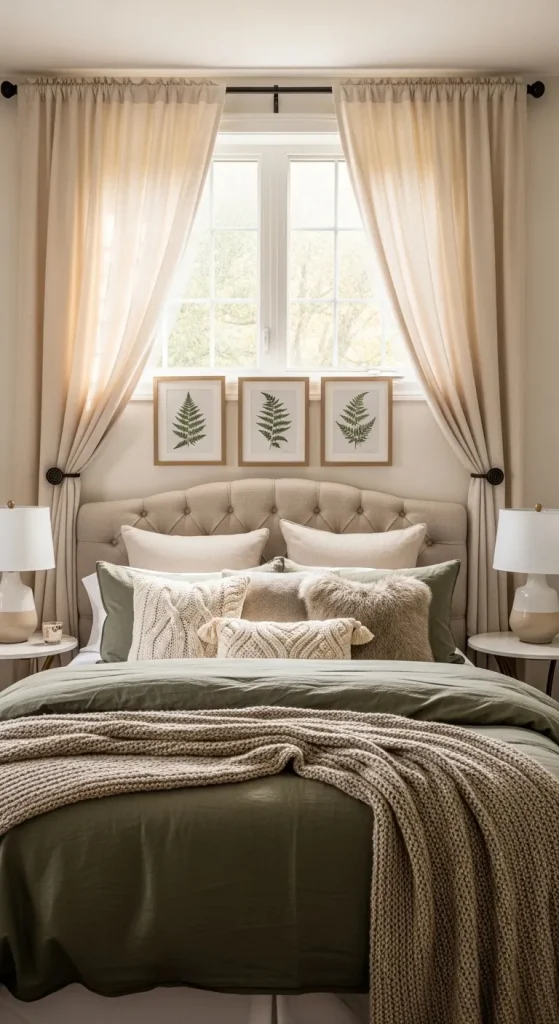
Using tiebacks adds structure and variation to curtain styling. This idea allows users to control how the curtains are displayed. It enhances both function and decoration.
Install curtains as usual and add tiebacks at a suitable height. Pull the curtains slightly to create folds and secure them. Adjust the shape based on preference. This simple addition improves the overall presentation and adds flexibility to the design.
Common Beginner Mistakes and How to Avoid Them
One common mistake is incorrect measurement, which leads to poorly fitted curtains. Always measure the wall and bed dimensions accurately before purchasing materials. Another issue is improper installation, such as uneven rods or weak mounting. Using the correct tools and ensuring secure placement prevents this problem. Choosing the wrong fabric weight can also affect the final result. Lightweight fabrics may not provide enough structure, while heavy fabrics can overwhelm the space.
Another mistake is overcrowding the design with too many elements. Curtains should complement the room, not dominate it. Maintaining balance is essential for a clean and aesthetic outcome. Ignoring color coordination can disrupt the overall look. Selecting colors that align with existing decor improves consistency. Avoiding these mistakes ensures a smooth and successful DIY project.
Practical Tips for Better Results
For improved results, always plan the layout before installation. Visualizing the final design helps in making better decisions. Use high-quality mounting tools to ensure durability. Even spacing and alignment enhance the overall appearance. Testing curtain placement before final installation can prevent errors.
Choosing the right fabric is also important. Neutral tones support a minimalist style, while textured fabrics add depth. Keeping the design simple improves readability and visual balance. Regular maintenance, such as cleaning and adjusting curtains, helps maintain the aesthetic. These practical tips ensure a polished and professional result.
Styling, Presentation, or Organization Ideas
Curtains behind the bed can be styled in multiple ways to enhance presentation. Pairing curtains with matching bedding creates a cohesive look. Adding soft lighting improves ambiance. Keeping surrounding decor minimal ensures the curtains remain the focal point.
Organizing the space around the bed is equally important. Avoid placing bulky furniture near the curtain backdrop. Use simple decorative elements to maintain balance. Aligning the bed centrally with the curtain design improves symmetry. These styling techniques enhance the overall home decor.
Budget or Time Planning
This project can be completed within a reasonable budget using basic materials. Curtain fabric and rods are widely available and affordable. Planning purchases in advance helps control costs. Reusing existing materials can further reduce expenses.
Time management is also important. Measuring and planning should be completed before starting installation. The actual setup can typically be done within a few hours. Breaking the process into steps ensures efficiency. This makes the project accessible for beginners.
Creative Expansion and Advanced Inspiration
Curtain designs can be expanded into more advanced creative ideas. Combining curtains with wall panels or lighting systems adds complexity. Experimenting with different textures and layering techniques creates unique results. Incorporating subtle patterns or gradients enhances visual interest.
Advanced setups may include motorized curtain systems or integrated storage solutions. These ideas require more planning but offer improved functionality. Exploring different combinations allows users to personalize their space. This approach keeps the project flexible and adaptable to evolving design trends.





Leave a Reply