
Introduction
Creating a bird house barn offers a charming and functional addition to any outdoor space. Bird houses are not only visually appealing but also provide a safe habitat for local birds, encouraging biodiversity in gardens or backyards. A barn-style bird house combines rustic charm with practical design, allowing for multiple nesting spaces in a compact structure. Whether your goal is to attract backyard birds or create a decorative feature, these projects cater to both aesthetics and function.

In this article, you will discover ten unique bird house barn ideas suitable for beginner and intermediate DIY enthusiasts. Each design emphasizes easy-to-follow steps, creative construction methods, and adaptable materials. Beyond construction, the ideas include practical considerations such as placement, weather resistance, and maintenance. By following these tutorials, you can create bird houses that enhance your home decor while offering a welcoming space for wildlife. These ideas are inspired by trending Pinterest designs, combining minimalist style with modern and rustic aesthetics.
Whether you aim to create a single statement piece or a series of barns, these bird house projects provide step-by-step guidance. From simple wooden constructions to more elaborate multi-compartment barns, each design offers practical inspiration for your next DIY project. By the end of this guide, you will be equipped to build functional, aesthetic, and beginner-friendly bird house barns that bring charm and life to your outdoor space.
Why This Idea Is Trending or Useful
Bird house barns are gaining popularity across Pinterest for their combination of functionality, aesthetic appeal, and accessibility. In the age of DIY home decor, people increasingly seek projects that are not only decorative but also support nature. Bird houses provide a tangible way to contribute to local wildlife conservation while creating a visually appealing outdoor feature. Their rustic barn style resonates with modern design trends, merging minimalism with cozy, handmade charm.
These projects are popular because they offer clear creative ideas that can be adapted to any backyard size or style. Beginners find them approachable due to their simple materials and step-by-step tutorials, while experienced crafters enjoy experimenting with unique designs or decorative finishes. Additionally, bird house barns appeal to DIY enthusiasts who want an easy project that combines organization, planning, and artistic expression. They also provide a hands-on learning opportunity about construction techniques, weatherproofing, and spatial planning. By following these ideas, you gain not just a functional bird habitat but also a stylish decor element that enhances the overall aesthetic of your garden.
The rising trend is also tied to Pinterest’s focus on visually engaging, shareable DIY projects. Bird house barns provide both beauty and practicality, making them ideal for pins that inspire others to replicate creative projects. Their accessibility for beginners, combined with opportunities for creative customization, ensures they remain a staple in modern home decor inspiration.
Materials and Preparation
Before building a bird house barn, preparation is key to ensure smooth execution and durable results. Essential materials typically include untreated wood such as pine or cedar, screws or nails, wood glue, sandpaper, weatherproof paint or sealant, and small hinges if adding doors. Basic tools required are a handsaw, drill, screwdriver, measuring tape, pencil, and clamps. For some designs, additional decorative elements like shingles, miniature fencing, or small perches can enhance the aesthetic appeal.
Preparation begins with planning the size, number of compartments, and style of the barn. Consider whether it will be a freestanding structure or mounted on a post. Sketching your design and measuring components ensures precise cuts and proper alignment. Sanding all edges before assembly reduces splinters and improves paint adhesion. Weatherproofing is essential; applying non-toxic sealant ensures the bird house withstands rain, sun, and wind. Collecting all materials and arranging tools within reach reduces interruptions during construction. By dedicating time to preparation, the DIY project becomes manageable, even for beginners, while ensuring the final bird house barn is both functional and visually appealing.
Idea 1: Classic Mini Barn Bird House
How to Create
A classic mini barn bird house features a simple rectangular base with a pitched roof. Its traditional barn shape combines rustic charm with functionality, accommodating one or more bird compartments. This design emphasizes vertical symmetry and clean lines, making it ideal for minimalist style while maintaining a handmade aesthetic. The entrance holes are sized to suit small birds such as sparrows or finches, ensuring safety and usability. Its compact structure allows placement on fences, garden posts, or shelves.
Construction begins with measuring and cutting the wooden panels for the base, sides, roof, and back. Assemble the walls first, securing them with screws and wood glue for durability. Attach the roof at a gentle slope to facilitate water drainage. Sand all edges thoroughly, then paint or seal the bird house to protect against weather. Drill entrance holes and add small perches if desired. Ensure the bird house is stable and level before placing it outdoors. This step-by-step method guarantees a sturdy, beginner-friendly project while creating an aesthetically pleasing focal point in your garden.

Idea 2: Multi-Level Barn Bird House
Step-by-Step Guide
Multi-level barn bird houses offer vertical nesting spaces, resembling a miniature apartment complex for birds. Each level includes separate compartments, allowing multiple bird families to coexist. This design is ideal for larger backyards or garden walls where vertical space can be utilized efficiently. Its modular appearance aligns with modern design trends while maintaining rustic charm. Multiple access points ensure safe entry for different bird species.
To create a multi-level barn, start by building individual compartments with pre-cut wooden panels. Stack the compartments, securing them with screws and corner braces for stability. Attach a sloped roof to the top unit, ensuring proper overhang to prevent rain infiltration. Sand edges and apply weatherproof paint to all surfaces. Drill entrance holes for each level and consider adding small wooden perches. Mount the finished barn on a post, fence, or wall bracket, making sure it is level and secure. This project demonstrates organization and planning skills while providing a practical, beginner-friendly DIY bird habitat.

Idea 3: Rustic Log Cabin Barn
How to Make
A rustic log cabin barn bird house emphasizes natural wood textures, creating a cabin-inspired aesthetic. Using small logs or branches, this design offers a handmade, woodland-inspired look suitable for gardens and outdoor seating areas. Its structure provides adequate shelter while blending seamlessly into natural surroundings. The roof can be constructed from thin planks or bark for a more authentic cabin feel. This project is beginner-friendly but allows creative experimentation with natural materials.
Begin by selecting straight logs or branches and trimming them to uniform lengths for the walls. Lay the logs horizontally, stacking them in a secure manner and using wood glue for reinforcement. Create the roof using overlapping planks to prevent water leakage. Drill entrance holes, ensuring smooth edges to prevent bird injury. Sand rough areas and apply a non-toxic sealant to enhance durability. Adding small perches or decorative elements like tiny wooden shutters enhances visual appeal. This method combines natural material use with practical construction, resulting in a functional and visually pleasing bird house barn.

Idea 4: Barn with Overhanging Loft
Execution Process
A barn with an overhanging loft features a two-tier design with a protruding upper level, providing additional nesting space while creating a dynamic silhouette. This design adds depth and visual interest to a garden or backyard while offering safe compartments for multiple birds. The loft can serve as a decorative feature while maintaining functionality, demonstrating advanced planning without overly complex construction.
Construction starts with building a rectangular base for the lower barn level. Secure walls using screws and wood glue, ensuring a flat, stable surface. Attach an upper platform extending slightly beyond the lower structure to form the loft. Add side walls and a sloped roof, paying attention to proper overhang for water protection. Drill entrance holes on both levels, smoothing edges for safety. Apply weatherproof paint or sealant to protect the wood. Mount the barn securely on a post or wall bracket. This step-by-step process results in a visually striking, functional bird house barn that balances creativity and practicality.

Idea 5: Painted Aesthetic Barn
How to Create
A painted aesthetic barn bird house emphasizes color coordination and decorative finishes, combining DIY creativity with functional design. Bright or muted tones can enhance the visual appeal, integrating the barn into garden decor or backyard themes. The focus is on handmade charm while keeping the structure durable for bird habitation. Minimalist design principles can be applied by using two-tone color schemes and simple decorative patterns.
To make this barn, construct a basic rectangular bird house with a pitched roof. Sand all edges thoroughly to ensure a smooth surface for painting. Select non-toxic outdoor paints and apply a primer layer before adding decorative colors or patterns. Drill entrance holes after painting to maintain clean edges. Consider adding small decorative touches, such as tiny shutters, faux windows, or contrasting trim. Finish with a clear weatherproof sealant. Once complete, place the barn on a stable surface in your garden. This process results in a beginner-friendly project that emphasizes handmade charm, aesthetic appeal, and creative expression.

Idea 6: Hanging Barn Bird House
Step-by-Step Guide
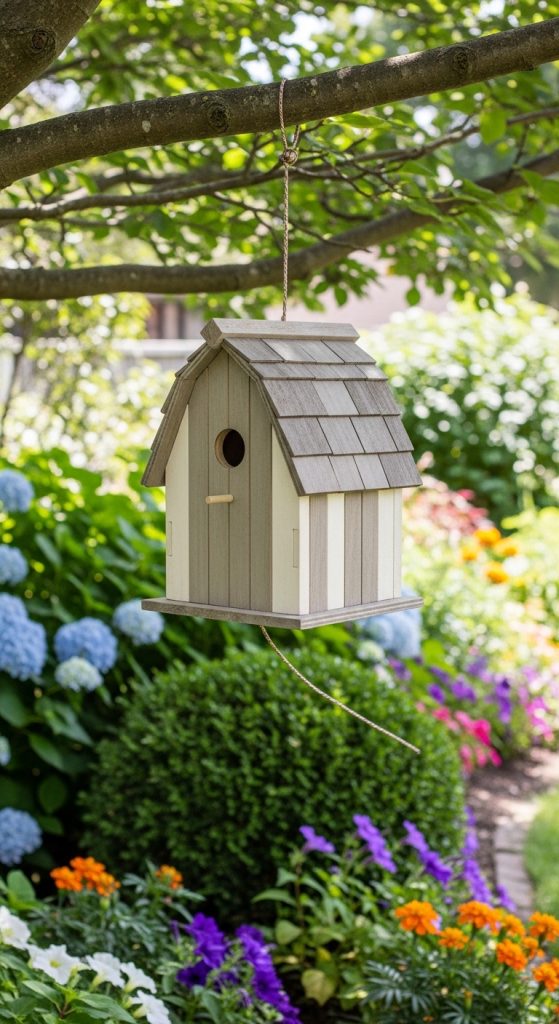
A hanging barn bird house is designed for suspension from trees, pergolas, or hooks, offering mobility and unique presentation. This design provides practical use for smaller gardens or patios where ground or post mounting is not feasible. Lightweight construction ensures stability when suspended, and multiple compartments can still be included for larger bird families. Its rustic, minimalist style makes it compatible with modern home decor trends.
Start by building a small rectangular bird house with a pitched roof. Ensure the structure is lightweight but sturdy using thin wooden panels reinforced with wood glue. Drill two or more holes at the top for rope or chain attachment. Apply a weatherproof sealant to protect the barn from rain and sun exposure. Add entrance holes and small perches. Use strong, durable rope to hang the barn from a stable branch or bracket. This beginner-friendly project combines creativity with practical planning, resulting in a functional and aesthetically pleasing hanging bird house barn suitable for any outdoor space.
Idea 7: Tiered Decorative Barn
How to Make
A tiered decorative barn features multiple stacked levels with small overhangs, creating a visually complex yet practical bird habitat. Each tier offers separate nesting compartments, allowing various bird families to inhabit the same structure. This design merges rustic aesthetics with modern design elements, suitable for Pinterest-inspired gardens or backyard corners. The tiered layout emphasizes organization and spatial planning, while maintaining an easy project approach for beginners.
Construct individual compartment boxes with uniform dimensions. Stack them securely, using screws and glue to reinforce connections between tiers. Add a sloped roof to the top tier and ensure water protection by overlapping panels. Drill entrance holes on each tier, sanding edges for safety. Optionally, paint each tier in complementary colors or apply a natural wood stain. Mount the finished barn on a post, wall bracket, or fence. This step-by-step process results in an organized, visually engaging bird house barn that balances functionality with creative presentation.

Idea 8: Barn with Mini Fencing
Execution Process
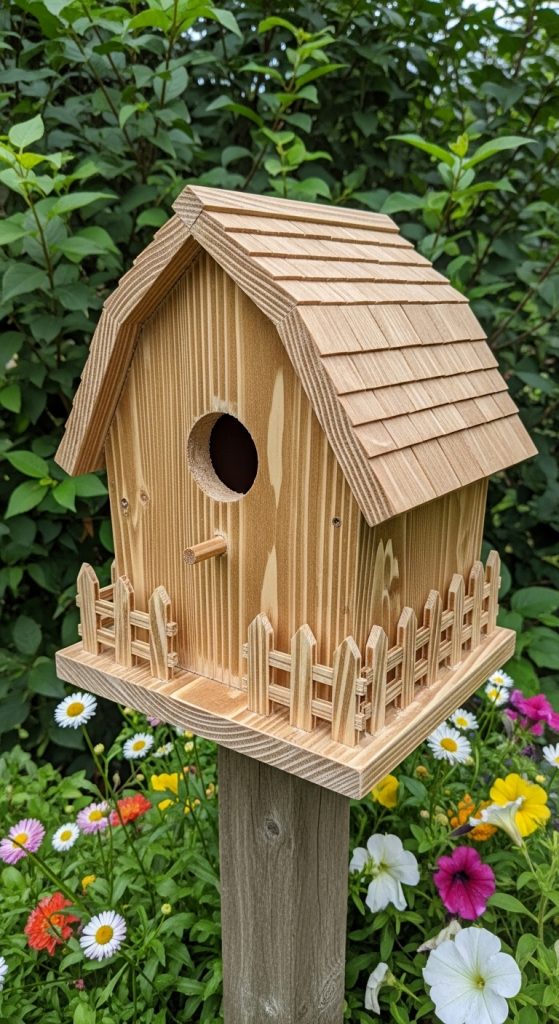
A barn with mini fencing incorporates decorative railings along its base or loft, enhancing charm while providing small perches for birds. This design adds visual interest and mimics traditional farm structures, making it a standout DIY project. The fence also offers functional benefits, giving birds a safe landing spot before entering the compartments. Its rustic, handmade aesthetic makes it beginner-friendly yet visually impactful.
Begin by building a rectangular barn structure with a pitched roof. Attach small wooden strips along the edges to form the mini fencing. Secure each fence piece with wood glue and small nails. Drill entrance holes in the main barn walls, ensuring smooth edges. Apply weatherproof paint or sealant to protect all surfaces. Mount or hang the barn in a suitable outdoor location, making sure it is stable. Adding decorative touches like small faux windows or tiny shutters enhances aesthetic appeal. This project merges creativity, functional planning, and beginner-friendly DIY techniques into a charming bird house barn design.
Idea 9: Modern Minimalist Barn
How to Create
A modern minimalist barn bird house focuses on clean lines, neutral colors, and simple geometric shapes. This design emphasizes the structure itself without excessive decoration, aligning with modern design trends. Minimalist barns provide functional nesting spaces while blending seamlessly into contemporary garden or patio aesthetics. Its simplicity makes it accessible for beginners while offering elegant visual appeal for Pinterest-style inspiration.
To create a minimalist barn, cut smooth wooden panels for a rectangular base and pitched roof. Assemble using screws and glue, ensuring all edges align cleanly. Drill a single entrance hole, sanding edges for bird safety. Paint or stain the wood in neutral tones such as white, gray, or natural wood, and apply a clear sealant for weatherproofing. Optionally, mount the barn on a simple post or stand. The step-by-step construction emphasizes careful measurement and clean assembly, resulting in a functional, aesthetically pleasing bird house barn suitable for modern outdoor spaces.

Idea 10: Reclaimed Wood Barn
Step-by-Step Guide
A reclaimed wood barn utilizes salvaged materials to create an eco-friendly, rustic bird house. This design emphasizes sustainability while offering a handmade, unique aesthetic. Each barn becomes one-of-a-kind, showcasing wood textures, grains, and imperfections. Reclaimed wood provides durability and visual interest, aligning with trending DIY projects that prioritize environmental consciousness.
Start by selecting clean, untreated reclaimed wood panels. Measure and cut pieces for the base, walls, and roof. Assemble using screws and wood glue, reinforcing joints for stability. Drill entrance holes and sand edges to prevent bird injury. Apply a non-toxic sealant to weatherproof the structure while maintaining the natural appearance of the wood. Mount the finished barn securely in your garden or backyard. This approach combines sustainability, practical construction skills, and aesthetic appeal, creating a beginner-friendly, eco-conscious bird house barn that attracts birds while complementing outdoor decor.

Common Beginner Mistakes and How to Avoid Them
Common mistakes when building bird house barns include using treated wood, misaligned panels, incorrect entrance hole sizes, and poor weatherproofing. Treated wood can be toxic to birds, while uneven walls compromise stability and aesthetics. Entrance holes that are too large or too small may discourage birds from nesting. Additionally, insufficient roof overhangs or lack of sealant can result in water damage and shorter barn lifespan.
To avoid these issues, carefully select untreated, safe materials, and double-check measurements before cutting. Use clamps to secure panels during assembly for alignment accuracy. Drill entrance holes based on target bird species and smooth edges to prevent injury. Apply appropriate sealant or paint to protect the structure from rain, wind, and sun. Pre-planning the location and mounting method ensures stability. Following these precautions ensures a functional, durable, and beginner-friendly bird house barn that successfully attracts and protects local bird populations while enhancing garden aesthetics.
Practical Tips for Better Results
For improved outcomes, focus on precise measurement, sanding, and finishing. Accurate cuts ensure panels align correctly, reducing gaps and improving durability. Sanding edges and surfaces creates smooth textures that enhance both appearance and bird safety. Weatherproofing is critical; use non-toxic paint or sealant suitable for outdoor use.
Consider the barn’s placement carefully. Position it at a height safe from predators, with some shade to prevent overheating. Ensure easy access for cleaning and maintenance. Use lightweight materials for hanging or mounted designs to prevent accidents. Adding small decorative touches like tiny perches, trim, or window cutouts enhances aesthetic appeal without compromising function. By following these practical tips, you achieve a polished, beginner-friendly bird house barn that is visually attractive, durable, and suitable for modern Pinterest-inspired gardens.
Styling, Presentation, or Organization Ideas
Styling and presentation significantly impact the visual appeal of bird house barns. Grouping multiple barns together creates a charming focal point, while spacing them individually offers a minimalist approach. Mounting barns on posts or hanging them from tree branches ensures visibility and accessibility for birds. Painting barns in complementary colors enhances garden aesthetics, while keeping natural wood tones maintains rustic charm.
For organization, consider arranging barns by size or style to create visual interest. Incorporate small decorative elements such as faux windows, miniature fences, or shutters to match garden themes. Placing barns near flowers or shrubs encourages bird activity while adding aesthetic value. Experimenting with different heights and angles creates depth and dimension in your outdoor space. By thoughtfully styling and arranging bird house barns, you combine functional wildlife support with Pinterest-worthy decorative appeal, enhancing both organization and visual harmony in your garden.
Budget or Time Planning
Bird house barns can be built efficiently with careful planning of materials, tools, and construction steps. Simple designs using standard wooden panels and basic tools require minimal investment and can be completed in a few hours. More intricate designs, such as multi-level or decorative barns, may require additional time for assembly, sanding, painting, and weatherproofing.
To manage budget, reuse leftover wood, select affordable untreated panels, and limit decorative embellishments to what is functional and aesthetic. Planning cuts, measurements, and assembly order reduces waste and accelerates progress. Beginners should start with single-compartment barns to gain confidence before tackling complex designs. By budgeting both time and resources effectively, you can complete a functional, durable, and visually appealing bird house barn without overspending, ensuring a rewarding DIY experience suitable for Pinterest-inspired projects.
Creative Expansion and Advanced Inspiration
Once basic bird house barns are complete, consider creative expansions. Adding multiple tiers, lofts, or hanging compartments increases capacity for bird families. Incorporate solar-powered mini lights or subtle decorative elements to enhance visibility and charm at dusk. Advanced DIY enthusiasts can experiment with different materials such as bamboo, reclaimed wood, or acrylic panels to create unique textures and modern styles.
Customizing paint schemes, adding miniature landscaping elements like moss, tiny fences, or flower boxes further personalizes each barn. These variations encourage ongoing creativity, allowing you to build a collection of bird house barns with both functional and aesthetic diversity. By exploring advanced ideas, you elevate a simple DIY project into a versatile, Pinterest-ready display, supporting local wildlife while providing a platform for ongoing inspiration and artistic experimentation in your garden or backyard.




Leave a Reply