
Introduction
A cozy book nook is one of those home features that can turn an ordinary corner into a deeply inviting retreat. You do not need an enormous library or a dedicated reading room to create one. A small corner beside a window, an unused space beneath the stairs, an alcove in the bedroom, or even an awkward hallway area can become a dreamy place to read, relax, journal, and escape from everyday distractions.
The beauty of a book nook comes from its atmosphere. Comfortable seating, warm lighting, shelves filled with favorite books, soft textiles, natural materials, and carefully chosen decorative details can make a small space feel incredibly personal. The best book nooks are not necessarily the most expensive or elaborate. Instead, they combine comfort and personality in a way that makes you want to sit down and stay awhile.

When designing a cozy reading nook, think about how you want the space to feel. Warm and traditional? Minimal and peaceful? Romantic and vintage? Whimsical and colorful? Rustic and natural? Your answer will help determine the furniture, colors, lighting, and accessories you choose.
A book nook can also become an important decorative feature within the larger home. Rather than hiding books away, open shelves allow them to become part of the interior design. Stacked books, framed artwork, plants, baskets, candles, ceramics, and textiles can all add visual interest while maintaining a comfortable atmosphere.
Below are ten dreamy cozy book nook ideas that can inspire everything from a tiny reading corner to a full built-in library retreat. Each idea focuses on a different design direction while keeping comfort and functionality at the center.
1. Window-Side Cozy Book Nook With a Built-In Bench
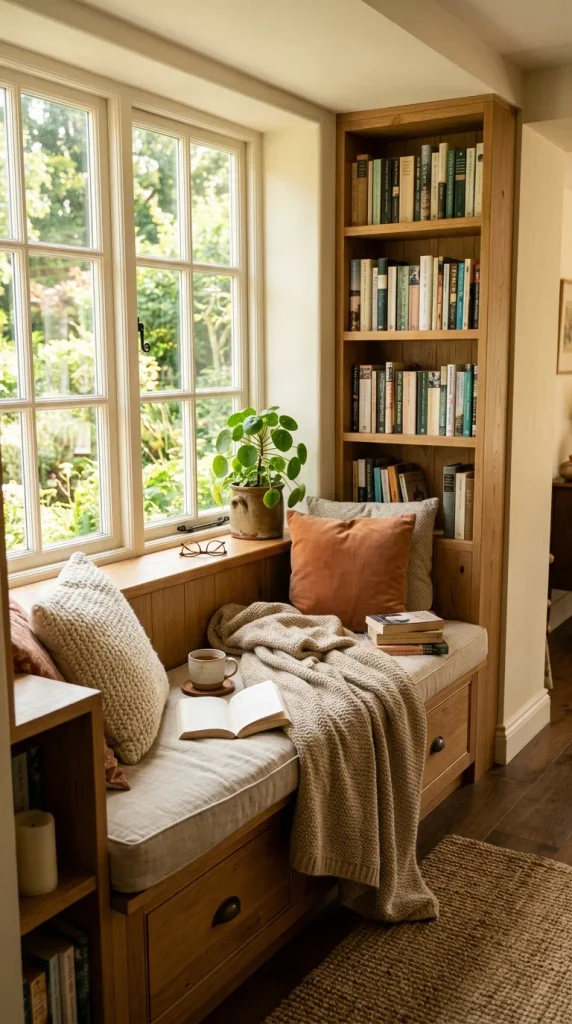
A window-side book nook is a classic dream for anyone who loves reading in natural light. An unused area beneath or beside a large window can easily become a peaceful reading retreat by adding a built-in bench with comfortable cushions.
The bench itself can be designed to fit the exact dimensions of the space, making this idea particularly useful for awkward corners or narrow windows. Choose a warm neutral cushion in cream, beige, oatmeal, or soft gray, then layer it with several pillows for extra comfort. A textured throw blanket can be placed casually across one side to create an inviting appearance.
Surround the bench with bookshelves if space allows. Built-in shelves extending vertically around the window can transform the entire area into a miniature home library. Keep some shelves filled with books while leaving small sections open for decorative objects.
Natural wood is particularly beautiful for this type of book nook. Oak, walnut, or light wood can add warmth against white or neutral walls. If your interior is more traditional, painted shelving can create a classic built-in appearance.
Lighting should complement the natural daylight. Add a small wall-mounted reading lamp or an adjustable sconce beside the bench so the space remains useful in the evening.
A woven basket underneath the bench can hold extra blankets, while a small side table can provide space for tea, coffee, glasses, or a current book.
For the final styling, add one or two plants, a small ceramic vase, and perhaps a framed print nearby. Keep the window unobstructed so the natural light remains the main feature.
This book nook works beautifully in bedrooms, living rooms, home libraries, hallways, and upstairs landings. It combines storage, seating, and architectural character in one compact area.
2. Dreamy Built-In Book Nook With Floor-to-Ceiling Shelves
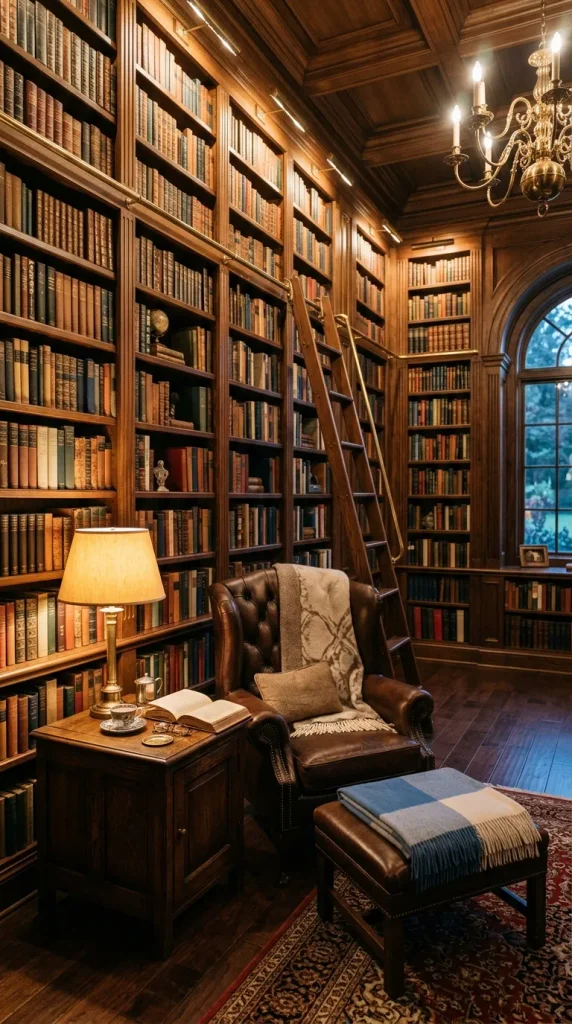
If you dream of having your own miniature library, a floor-to-ceiling book nook can create a dramatic and sophisticated result. This design transforms an entire wall into a bookshelf while placing a comfortable reading chair or built-in bench directly in front of it.
The shelving should be the main architectural feature. Arrange books by a mixture of height, size, and color rather than making every shelf look perfectly uniform. A few horizontal stacks can break up rows of vertical books and create a more collected appearance.
A comfortable upholstered chair can become the centerpiece of the nook. Choose a deep armchair with soft cushions, preferably in a warm neutral or rich earthy color. Add a small ottoman if you want somewhere to rest your feet.
A compact wooden side table can sit beside the chair. It should be large enough for a reading lamp and a cup of tea but small enough to preserve the open feeling of the nook.
Lighting is especially important when the bookshelves extend across the entire wall. Install warm recessed lighting or small shelf lights to gently illuminate the books. A floor lamp beside the chair can provide focused reading light.
For a cozy atmosphere, incorporate warm materials such as wood, linen, wool, rattan, and woven textiles. These materials prevent the large amount of shelving from feeling cold or overly formal.
Decorative accessories should be used sparingly. A few framed photographs, ceramic pieces, small plants, and vintage objects can personalize the shelves without turning them into clutter.
This design works particularly well in traditional, transitional, cottage, English-inspired, and modern classic interiors. The result feels like a private library tucked into an otherwise ordinary area.
The most important element is comfort. Beautiful shelving may create the visual impact, but a comfortable chair, good lighting, and easy access to books are what make the space genuinely enjoyable.
3. Small Cozy Book Nook Under the Stairs
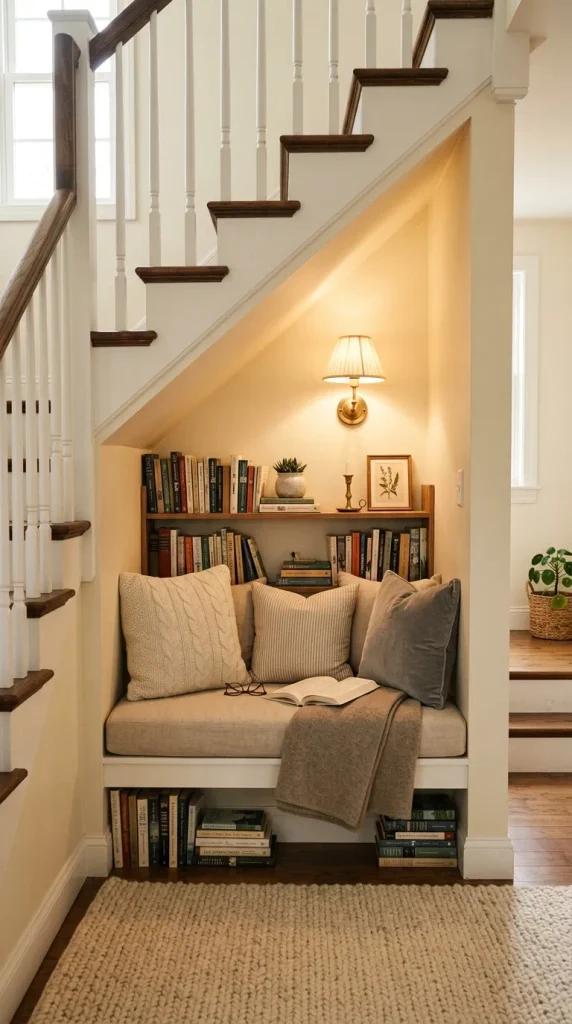
The space underneath a staircase is often overlooked, yet it can become one of the most charming locations for a book nook. Because these areas are naturally enclosed, they already have the intimate feeling that makes a reading retreat so appealing.
Begin by assessing the available height and depth. A compact built-in bench can fit into the lower portion of the staircase, while shelving can be installed along the side walls. If the ceiling slopes dramatically, use the taller side for books and the lower side for cushions or storage.
Choose soft upholstery for the seating. A cream, beige, warm gray, or muted earthy tone can make the small space feel brighter and more comfortable.
Lighting is essential because staircases can create naturally darker areas. Install a wall sconce, small pendant, or recessed light above the seating area. Warm white lighting is particularly effective for creating a relaxed evening atmosphere.
For storage, use a combination of open shelves and closed drawers if the design allows. Open shelves can display favorite books, while drawers can store blankets, magazines, notebooks, or other reading accessories.
Because the space is small, avoid using too many large decorative pieces. Instead, focus on texture. Add a soft cushion, knitted throw, small woven basket, and perhaps one miniature plant.
A small wall-mounted shelf can also provide a convenient surface for a reading lamp or decorative object without taking up floor space.
For a more whimsical result, paint the entire nook in a slightly deeper color than the surrounding room. Warm olive, muted blue, mushroom brown, dusty rose, or deep cream can make the nook feel like a separate little world.
This idea is especially useful for smaller homes because it transforms an otherwise unused architectural space into something functional and beautiful.
The finished nook can feel private, cozy, and almost hidden—exactly the kind of atmosphere that makes reading feel like an escape.
4. Cozy Boho Book Nook With Floor Cushions
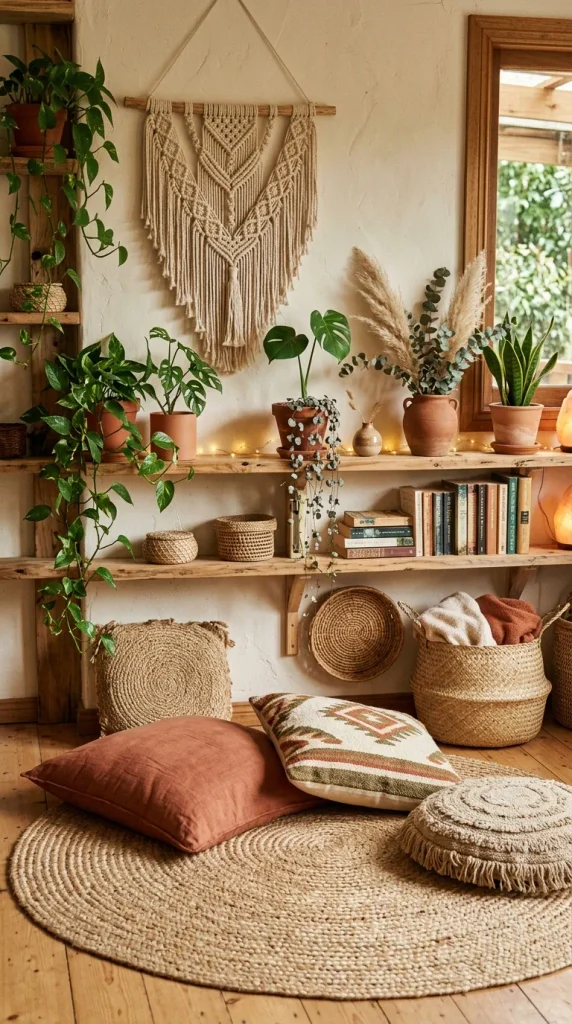
For a relaxed and informal reading space, a boho-inspired book nook can create an inviting atmosphere using layered textures, earthy colors, and comfortable floor seating.
Instead of a traditional armchair, build the nook around a collection of oversized floor cushions. Choose cushions in cream, beige, terracotta, warm brown, muted olive, dusty blush, or natural woven fabrics.
Place the cushions over a large jute or wool rug to create a soft foundation. Layering rugs can add additional texture and make the space feel more relaxed.
A low wooden table can sit beside the cushions. It can hold a cup of tea, a small stack of books, a ceramic vase, or a decorative candle.
For books, use floating shelves or a low wooden bookcase. Natural wood shelving pairs beautifully with the earthy character of boho decor.
Plants are another important element. Place one large leafy plant beside the nook and add smaller plants to shelves or nearby surfaces. Woven baskets can be used for plant pots, blankets, or additional books.
Macramé wall hangings, woven artwork, handmade ceramics, and rattan accessories can enhance the aesthetic without making the room feel overly decorated.
Lighting should remain soft and warm. A woven pendant light, small floor lamp, or warm table lamp can create a beautiful glow in the evening.
The advantage of a floor-cushion book nook is flexibility. The cushions can be rearranged, additional pillows can be added, and the space can even become a casual lounging area when you are not reading.
This style works particularly well in bedrooms, creative studios, sunrooms, and relaxed living spaces.
The goal is not perfection. A boho book nook should feel collected, comfortable, natural, and personal. Mix textures rather than trying to match every item.
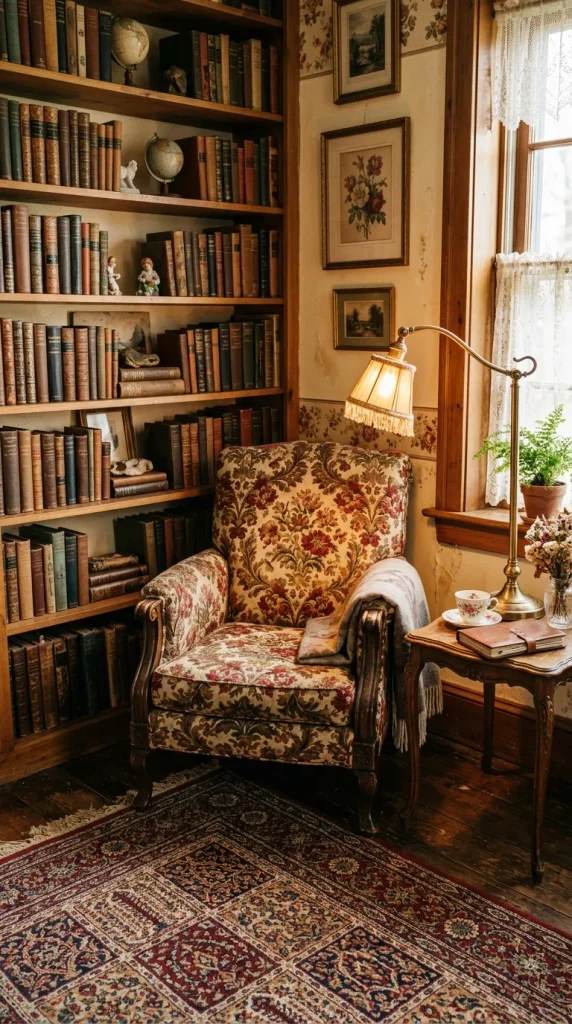
5. Romantic Vintage Book Nook With an Armchair
A vintage-inspired book nook can create a romantic atmosphere reminiscent of an old-fashioned private library. This design is perfect for people who love antique furniture, classic books, warm lighting, and traditional details.
Start with a comfortable vintage-style armchair. Look for curved arms, textured upholstery, velvet, linen, or traditional patterned fabric. Deep green, burgundy, cream, caramel, dusty blue, or warm brown can work beautifully.
Place a small antique-style side table next to the chair. A wooden table with turned legs or brass details can add character.
Behind the chair, install a narrow bookshelf or place a small freestanding bookcase filled with novels and decorative objects.
Lighting should be warm and atmospheric. A brass floor lamp, traditional table lamp, or wall sconce can provide both function and visual character.
For the walls, consider framed botanical illustrations, vintage maps, classical artwork, or old-fashioned literary prints. Keep the artwork cohesive so the area feels intentionally designed.
A soft Persian-style rug can anchor the entire nook. Layer a knitted or velvet throw across the chair and add one or two cushions.
Small accessories such as an antique clock, ceramic vase, brass candlestick, or decorative magnifying glass can reinforce the vintage theme.
The color palette should remain warm and slightly muted. Cream, brown, olive, burgundy, brass, and aged wood naturally complement one another.
This type of book nook can work in a living room, bedroom, home office, hallway, or library.
The key is to balance vintage character with modern comfort. The furniture can look traditional, but the seating should still be comfortable enough for extended reading.
The finished space should feel like a quiet retreat where you can pick up a favorite novel, switch on the warm lamp, and forget about the rest of the house for a while.
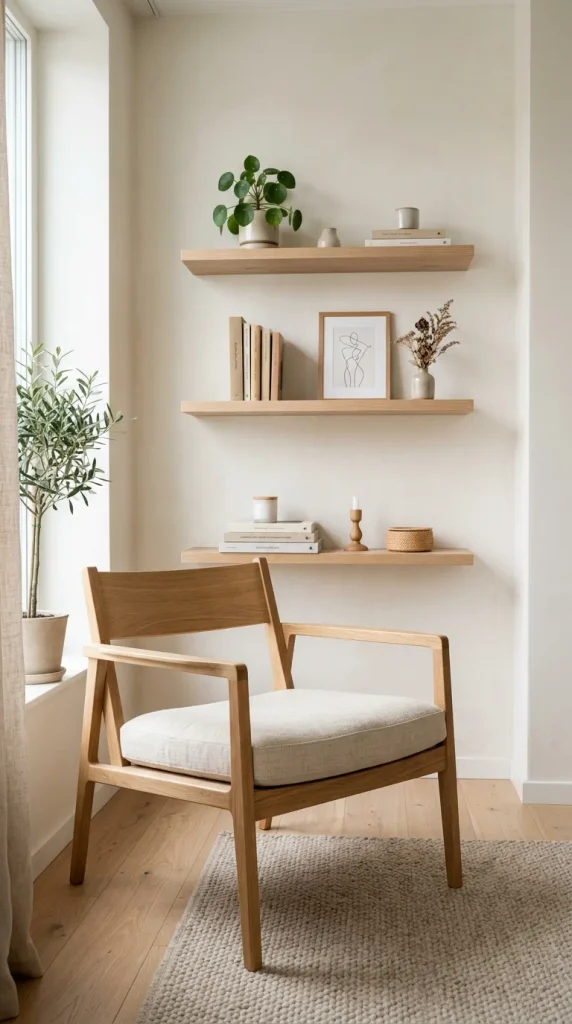
6. Minimalist Scandinavian Book Nook
A minimalist Scandinavian book nook focuses on simplicity, natural light, clean lines, and comfortable functionality. It is an excellent choice for anyone who prefers a calm reading space without excessive decoration.
Begin with a simple armchair or compact wooden reading chair. Light oak, ash, or natural birch furniture works especially well. Add a cream or light gray cushion to soften the seat.
Keep the surrounding walls light. Warm white, soft beige, pale gray, or muted cream can make the nook feel spacious and peaceful.
Instead of filling an entire wall with bookshelves, use one simple floating shelf or a narrow open bookcase. Display your favorite books alongside only a few decorative objects.
A small round side table can hold a reading lamp, cup, or current book. Choose a simple shape with minimal visual weight.
Lighting should be functional but warm. A slim floor lamp with an adjustable head can provide focused illumination without overwhelming the space.
Natural textures are essential for preventing minimalist design from becoming cold. Add a wool rug, linen cushion, cotton throw, or woven basket.
Plants can provide a small amount of natural color. One medium-sized plant is often enough.
Avoid filling every available surface. The empty space around the furniture is part of the design and helps create a calm environment.
This book nook works beautifully near a window because natural daylight becomes an important part of the atmosphere.
A Scandinavian-inspired reading corner is particularly suitable for apartments, bedrooms, home offices, and small living rooms.
The overall goal is to create a space that feels quiet rather than empty. Every item should have a purpose, whether it provides comfort, lighting, storage, or visual warmth.
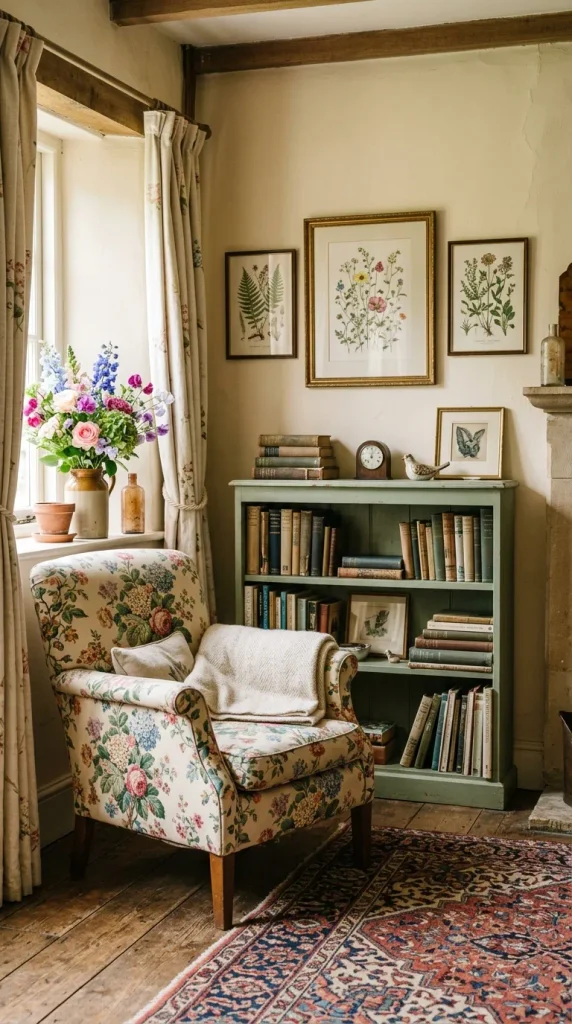
7. Cozy Cottage Book Nook With Floral Details
A cottage-inspired book nook can create a warm, nostalgic reading retreat filled with soft patterns, natural materials, and charming decorative details.
Choose a comfortable upholstered chair or small built-in bench as the main seating. Floral, gingham, striped, or soft botanical fabrics can introduce classic cottage character.
If the space allows, place a small wooden bookshelf nearby. Painted shelves in cream, sage green, dusty blue, or warm white can complement the cottage aesthetic.
Books should be arranged casually rather than perfectly. Mix vertical rows with horizontal stacks and leave small spaces for ceramics, framed artwork, or decorative objects.
A floral cushion and lightweight knitted throw can make the chair feel especially inviting.
For flooring, consider a small vintage-inspired rug with muted floral or traditional patterns. The rug helps define the reading area and adds warmth.
Lighting can be provided by a small fabric-shaded table lamp or traditional wall sconce. Choose warm lighting rather than bright overhead illumination.
Fresh or dried flowers can become part of the styling. Place a small arrangement in a ceramic jug or vintage vase beside the books.
For walls, botanical prints and small framed illustrations work beautifully. Avoid excessive artwork; a few carefully selected pieces can create a more authentic cottage feeling.
This type of book nook looks especially charming near a window. Add lightweight curtains made from linen or cotton to soften the natural light.
Cottage design works best when it feels relaxed rather than overly coordinated. Slightly mismatched accessories, vintage furniture, natural wood, and soft textiles can actually make the nook feel more authentic.
The result should be warm, comfortable, nostalgic, and welcoming—a little corner that feels connected to the character of the rest of the home.
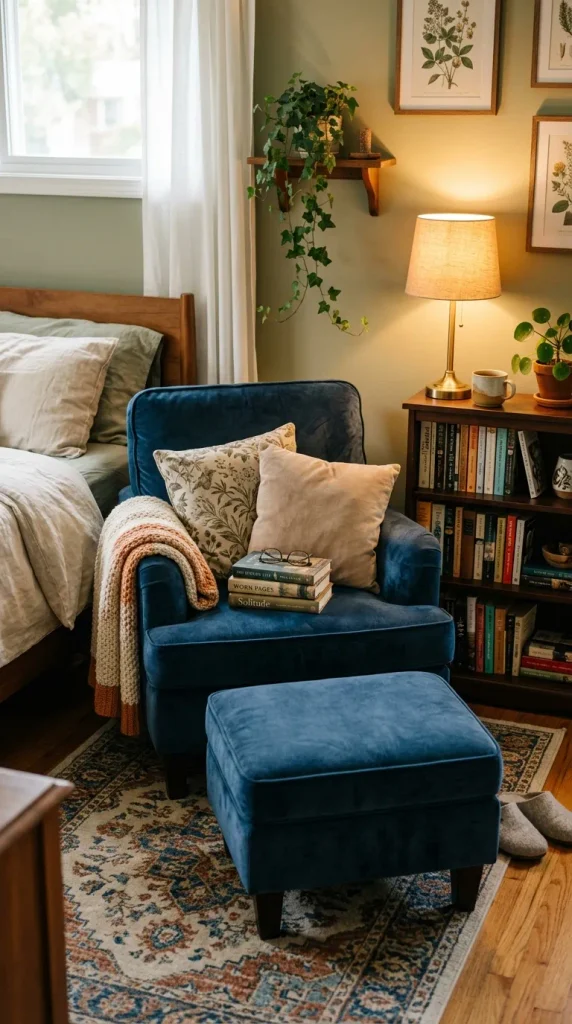
8. Dreamy Bedroom Book Nook With a Plush Reading Chair
A bedroom book nook can create a peaceful personal retreat without requiring a separate reading room. A small corner near a window or beside a dresser can become a comfortable place to read before bed.
Start with a plush upholstered chair. Choose a soft fabric such as boucle, linen, velvet, or textured cotton. Cream, warm beige, dusty rose, muted green, or soft gray can create a relaxing bedroom palette.
Add a small footstool or ottoman so you can stretch out while reading.
A compact side table should sit within easy reach. Keep it simple with enough room for a lamp, water glass, and current book.
Lighting is especially important in a bedroom because reading often happens in the evening. Choose a warm table lamp or adjustable wall sconce positioned to illuminate the pages without creating harsh glare.
Place a small bookshelf nearby if space allows. Alternatively, use floating shelves above the chair.
Soft textiles can make the area feel connected to the bedroom. Choose a throw blanket and cushions that coordinate with the bedding rather than matching it exactly.
A small rug underneath the chair can visually separate the nook from the rest of the bedroom.
For decoration, consider a framed print, small plant, ceramic vase, or candle placed on the side table.
Keep the area relatively uncluttered. Bedrooms already contain many visual elements, so a calm book nook benefits from simplicity.
If the bedroom has a window with a beautiful view, position the chair toward it rather than directly against a wall. Natural scenery can make the reading experience more relaxing.
The finished design should feel like an extension of the bedroom rather than a separate room. Use similar materials and colors while giving the reading corner its own comfortable identity.
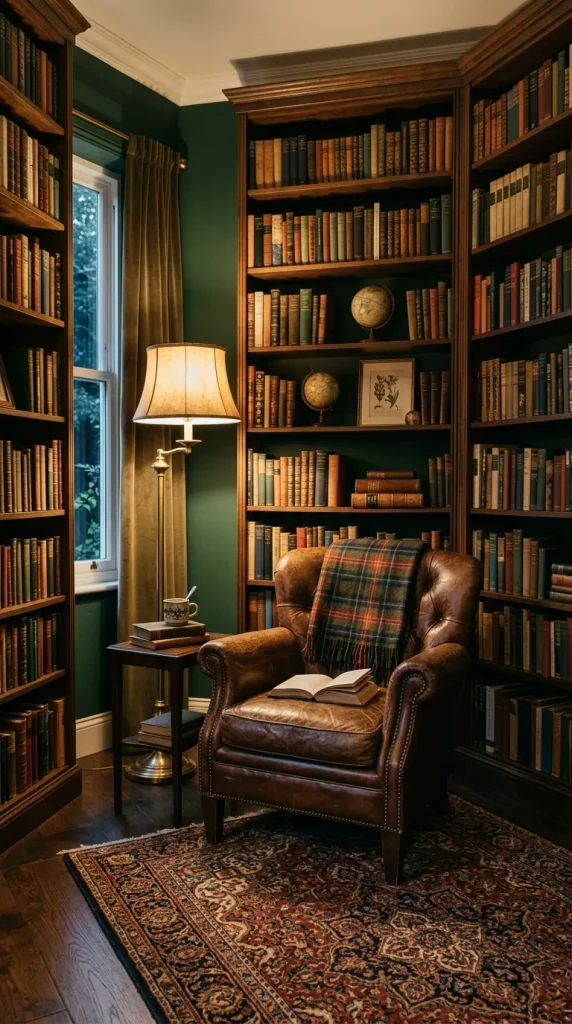
9. Dark and Moody Library-Style Book Nook
For a dramatic and sophisticated reading retreat, consider creating a dark, moody book nook. Deep wall colors can make a small space feel intimate and enveloping, creating the perfect atmosphere for evening reading.
Consider colors such as charcoal, deep navy, forest green, chocolate brown, muted plum, or rich olive. Dark walls can make bookshelves appear more integrated and create a sophisticated library effect.
Use warm wood shelving to prevent the space from feeling too cold. Dark walnut or medium oak can provide beautiful contrast against the wall color.
Choose a comfortable leather or upholstered armchair as the main seating. Brown leather, deep green velvet, or warm neutral fabric can work particularly well.
Lighting is critical in a moody space. Add a brass reading lamp, warm wall sconce, or traditional library-style floor lamp. Use warm bulbs to create a soft golden glow.
A small wooden side table can hold a cup of tea, reading glasses, and a few books.
For the floor, use a traditional patterned rug with muted colors. This adds softness and prevents the darker palette from becoming visually flat.
Decorative accessories should have character. Brass objects, vintage frames, ceramic vessels, antique-style clocks, and small sculptures can work beautifully.
Arrange the books in a natural mixture of vertical and horizontal stacks. Include a few decorative objects between sections rather than filling every shelf.
This style is especially effective in a dedicated library, home office, living room corner, or underused hallway.
The beauty of a moody book nook is its sense of escape. It can feel separate from the brighter areas of the house without physically being enclosed.
Balance is important. Use enough warm lighting and lighter accents to keep the space comfortable while allowing the dark color palette to remain the main design statement.
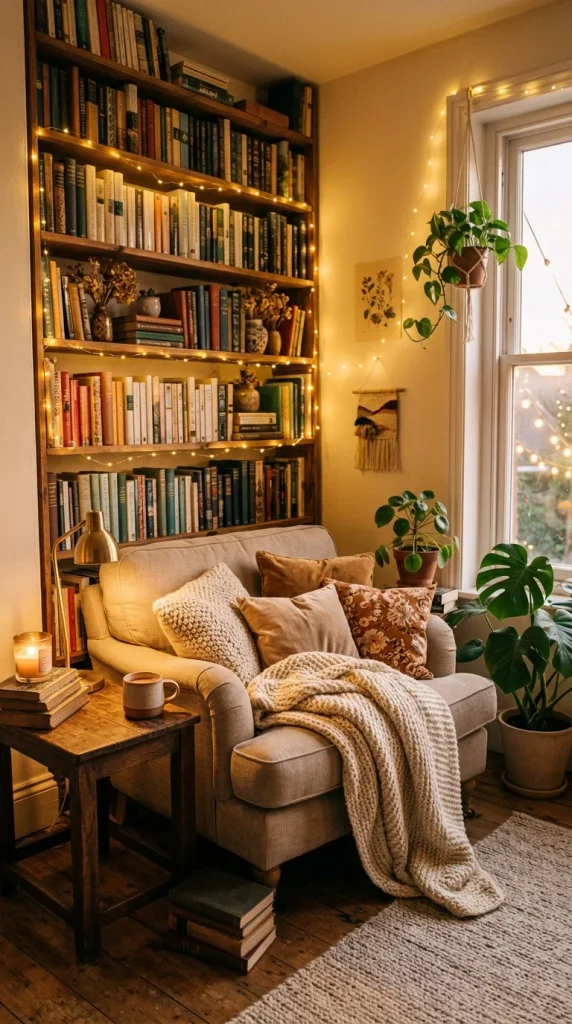
10. Magical Fairy-Light Book Nook With Cozy Layers
For a dreamy and whimsical reading retreat, create a book nook illuminated by soft fairy lights and layered with comfortable textiles.
This idea is especially suitable for bedrooms, children’s rooms, attic spaces, or small reading corners where you want a more magical atmosphere.
Begin with a comfortable bench, oversized floor cushion, or plush armchair. Surround the seating with pillows in cream, beige, dusty pink, lavender, muted blue, or warm brown.
Add a thick textured rug underneath to create a soft foundation. A knitted blanket can be draped casually over the seating.
Bookshelves can be simple wooden shelves mounted on the wall. Arrange books alongside small decorative objects such as ceramic houses, tiny plants, framed prints, or handmade accessories.
The main feature should be the lighting. String warm fairy lights around the shelves, along the wall, or around a nearby window. Keep the light soft and warm rather than using bright colorful bulbs.
A small floor lamp or reading lamp can provide additional practical illumination.
For a more magical effect, add sheer curtains around the nook if the architecture allows. The fabric can soften the lighting and create a sense of privacy.
Decorative stars, moon-inspired artwork, woven ornaments, or delicate hanging elements can add whimsy without making the space feel childish.
Natural materials such as wood, cotton, linen, wool, and rattan can balance the magical elements and keep the design sophisticated.
The color palette should remain relatively cohesive. Too many bright colors can make the area feel visually chaotic, while soft neutrals with one or two dreamy accent shades create a more polished result.
This book nook is designed around emotion as much as function. It should feel like a tiny escape from everyday life—a comfortable place where you can read late into the evening surrounded by warm light and favorite books.
Materials Used for a Cozy Book Nook
Creating a beautiful book nook does not require every material on this list. Choose according to your available space, budget, and decorating style.
Furniture
- Comfortable armchair
- Built-in bench
- Small reading chair
- Ottoman or footstool
- Compact side table
- Small console table
- Narrow bookshelf
- Floating shelves
Textiles
- Area rug
- Throw blanket
- Decorative cushions
- Seat cushion
- Linen or cotton curtains
- Knitted textiles
- Boucle or velvet upholstery
Lighting
- Reading lamp
- Floor lamp
- Wall sconce
- Table lamp
- Recessed shelf lighting
- Warm fairy lights
- Pendant light
Decorative Materials
- Natural wood
- Rattan
- Woven baskets
- Ceramic vases
- Framed artwork
- Mirrors
- Indoor plants
- Candles or decorative lanterns
- Vintage accessories
Organization
- Bookends
- Storage baskets
- Magazine holders
- Floating shelves
- Drawer storage
- Decorative boxes
The most important materials are those that improve comfort, lighting, and organization. Decorative pieces should be added afterward.
How to Create a Cozy Book Nook
1. Choose the Right Location
Start by identifying an underused area. A window corner, bedroom corner, hallway, landing, alcove, under-stair space, or section of a home office can work beautifully.
Natural light is a bonus, but it is not essential if you have good artificial lighting.
2. Decide on Your Seating
Comfort should be the priority. Choose an armchair, bench, floor cushions, or built-in seating according to the available space.
Make sure the seating allows you to sit comfortably for an extended period.
3. Add Book Storage
Use shelving that fits the scale of the room. Floor-to-ceiling shelves create a dramatic library effect, while floating shelves are better for smaller spaces.
Avoid filling every shelf completely. Leave some breathing room for decorative objects.
4. Layer Soft Textures
Add a rug, cushion, and throw blanket. These simple additions can dramatically change the feeling of the space.
Mix textures rather than using identical fabrics.
5. Install Proper Lighting
A beautiful book nook still needs functional reading light. Position a lamp so the pages are properly illuminated without creating uncomfortable glare.
Warm lighting is generally more relaxing for an evening reading space.
6. Personalize the Space
Add books that you genuinely enjoy, favorite artwork, plants, ceramics, photographs, or meaningful decorative objects.
The book nook should reflect your personality rather than looking like a generic showroom.
7. Keep the Area Organized
Use baskets, shelves, and small storage pieces to prevent clutter. Keep your current books accessible while giving everything else a designated place.
8. Add the Final Cozy Details
Finish the space with a soft throw, decorative cushion, warm lighting, and one or two carefully selected accessories.
The final goal is comfort—not perfection.
Proper Pinterest-Style Pattern for a Cozy Book Nook
A Pinterest-worthy book nook usually combines comfort, texture, warmth, personality, and visual simplicity.
A useful styling formula is:
Comfortable Seating + Bookshelves + Layered Textiles + Warm Lighting + Natural Materials + Personal Decor
For example:
Cream armchair + oak bookshelf + jute rug + warm floor lamp + woven basket + leafy plant
Another combination could be:
Built-in bench + floor-to-ceiling bookshelves + linen cushions + brass sconce + vintage artwork + soft throw
For photography and visual presentation, vertical compositions work especially well because they capture the seating, bookshelves, lighting, and surrounding architecture in one frame.
Keep the color palette controlled. Neutral shades such as cream, beige, brown, warm white, olive, muted blue, and terracotta photograph beautifully while allowing the books themselves to add natural color.
Texture is another important Pinterest element. Combine wood, woven materials, linen, wool, ceramics, and upholstery to create depth.
Avoid overcrowding the nook with unnecessary accessories. A small number of well-chosen objects usually looks more sophisticated than dozens of decorative pieces.
Most importantly, make the space look usable. A blanket casually placed on the chair, an open book on the side table, and a warm lamp can make the nook feel inviting without making it messy.
Tips for Making a Small Book Nook Feel Bigger
A small book nook can still feel spacious with the right choices.
Use light wall colors, slim furniture, floating shelves, and visually lightweight accessories. Mirrors can reflect natural light and create a sense of additional depth.
Choose furniture that fits the scale of the space. An oversized chair may be comfortable, but it can make a tiny nook feel cramped.
Vertical shelving is another excellent solution because it uses wall height instead of valuable floor space.
Keep the floor relatively open and use baskets for hidden storage.
Natural light should remain unobstructed whenever possible. If the nook is beside a window, choose lightweight curtains rather than heavy fabrics.
A limited color palette can also make the space feel more cohesive and spacious.
How to Make a Book Nook Feel Extra Cozy
The secret to coziness is layering.
Start with a soft seating surface, then add a cushion, throw, rug, warm lighting, and natural textures.
Use warm colors rather than extremely bright or cold tones. Cream, caramel, beige, brown, terracotta, olive, muted blue, and dusty rose can all create a comfortable atmosphere.
Lighting should be soft and adjustable. Multiple small sources of light often create a warmer feeling than one bright overhead fixture.
Books themselves add character. Display favorites where they can be easily reached and allow the collection to become part of the decoration.
Finally, include something that makes the space uniquely yours. It might be a favorite chair, family photograph, vintage object, plant, handmade ceramic, or special collection of books.
A cozy book nook should feel like somewhere you naturally want to return to.
Final Thoughts
Creating a dreamy book nook is less about having a large amount of space and more about using a small area thoughtfully. An unused corner, window seat, staircase alcove, bedroom corner, or empty wall can become a beautiful reading retreat with the right combination of seating, books, lighting, and texture.
From built-in window benches and floor-to-ceiling libraries to boho floor cushions, romantic vintage corners, minimalist Scandinavian spaces, and magical fairy-light retreats, there are countless ways to design a book nook around your personal style.
The most successful book nooks balance beauty with comfort. Choose seating that invites you to stay, lighting that makes reading easy, storage that keeps books accessible, and decorative details that make the space feel personal.
Layering is the easiest way to create warmth. A rug, cushions, throw blanket, natural wood, woven basket, and warm lamp can transform even a very simple corner.
Whether your dream is a sophisticated home library or a tiny reading corner hidden beneath the stairs, the goal remains the same: create a peaceful place where you can slow down, open a book, and enjoy a little escape from the rest of the home.




Leave a Reply