
Introduction
Italian home decor is a beautiful blend of timeless elegance, natural materials, artistic details, and effortless comfort. Inspired by the architecture, landscapes, and lifestyle of Italy, this decorating style brings together warm earthy colors, handcrafted furniture, aged finishes, and sophisticated simplicity. Whether you love the rustic charm of a Tuscan farmhouse, the relaxed beauty of an Italian coastal villa, or the refined atmosphere of a Milanese apartment, Italian-inspired interiors can make any home feel welcoming and luxurious.
One of the most appealing aspects of Italian home decor is its focus on quality rather than quantity. Instead of filling rooms with unnecessary accessories, this style emphasizes carefully selected furniture, beautiful architectural details, and materials that become more attractive with age. Natural stone, terracotta, travertine, marble, wood, linen, and aged metals are frequently used to create a warm and authentic atmosphere.
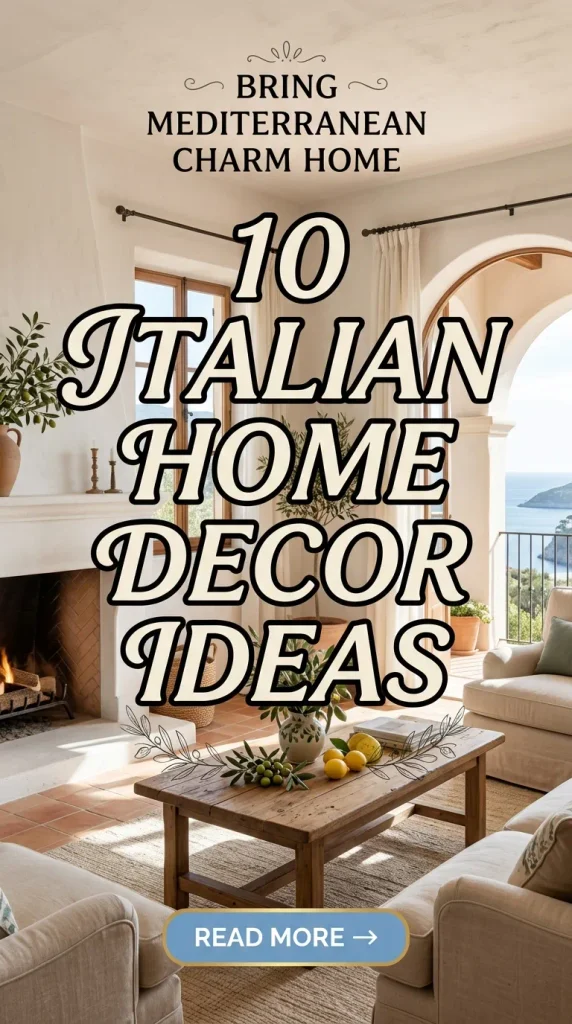
Italian interiors can be rustic, modern, traditional, or a combination of several styles. A contemporary Italian living room might feature sculptural furniture, curved silhouettes, and neutral colors, while a traditional Tuscan space may include exposed wooden beams, textured plaster walls, and antique furniture. Both styles share a commitment to comfort, proportion, and visual harmony.
Lighting also plays an important role. Large windows, soft curtains, vintage lamps, and warm ambient lighting help create a relaxed atmosphere. Decorative elements such as ceramic vases, olive branches, vintage artwork, and handmade pottery add personality without overwhelming the room.
In this article, we will explore 10 Italian home decor ideas that can help you introduce European elegance into your home. Each idea includes materials, styling suggestions, and practical ways to create an Italian-inspired atmosphere.
1. Create a Warm Tuscan-Inspired Living Room
Earthy colors, rustic materials, and timeless Italian comfort
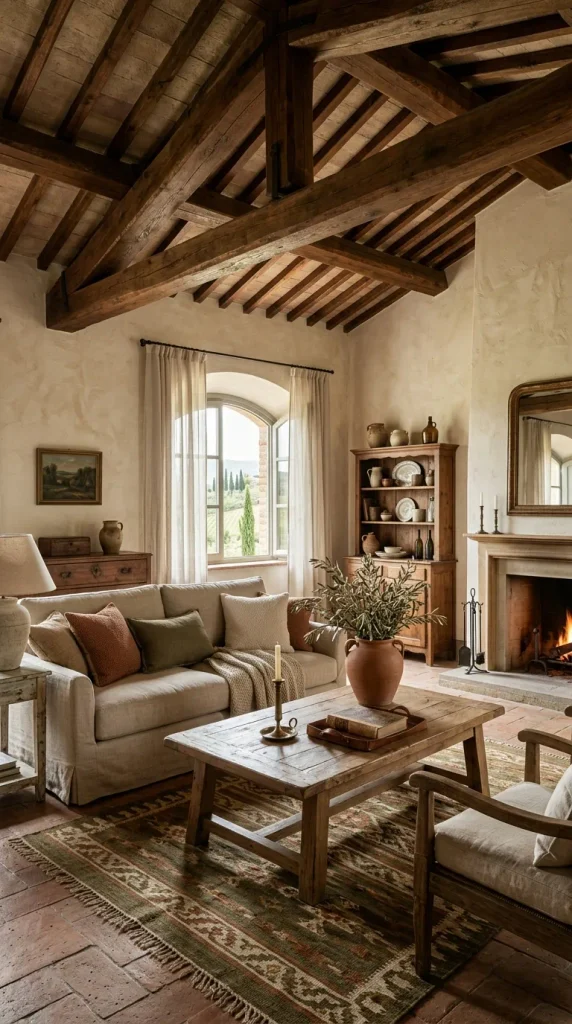
A Tuscan-inspired living room captures the warmth and relaxed character of the Italian countryside. This style is ideal for anyone who loves earthy colors, traditional architecture, rustic furniture, and a cozy atmosphere. Rather than relying on trendy decorations, Tuscan interiors focus on natural materials and a sense of history.
Begin with a warm color palette inspired by the landscape of Tuscany. Terracotta, sand, olive green, warm beige, cream, ochre, and muted brown are excellent choices. These colors create a welcoming environment and work beautifully with natural wood and stone.
Furniture should feel comfortable and substantial. A linen sofa, a distressed wooden coffee table, and a pair of upholstered armchairs can establish the foundation of the room. Choose pieces with curved edges or gently aged finishes to create a relaxed, lived-in appearance.
Materials Used
- Linen or cotton upholstery
- Reclaimed or natural wood
- Terracotta accessories
- Stone or travertine surfaces
- Woven baskets
- Ceramic vases
- Textured rugs
- Warm-toned paint
How to Create the Look
Start with a neutral wall color such as warm cream or soft beige. If you want a more authentic rustic appearance, consider a textured plaster finish or a limewash-inspired wall treatment.
Add a wooden coffee table with a slightly aged finish. Decorate it with a ceramic bowl, a few books, and a small vase filled with olive branches.
Layer the sofa with linen cushions in muted earthy colors. A patterned rug can introduce subtle visual interest without overpowering the room.
For lighting, choose table lamps with ceramic bases, wrought-iron fixtures, or warm-toned shades. Avoid excessive decorative clutter. Tuscan interiors often feel beautiful because of their simplicity and natural textures.
Complete the room with handmade pottery, landscape artwork, or a large rustic mirror. The final result should feel comfortable, authentic, and connected to the Italian countryside.
2. Add Italian Marble and Travertine Accents
Elegant natural stone for a refined Mediterranean atmosphere
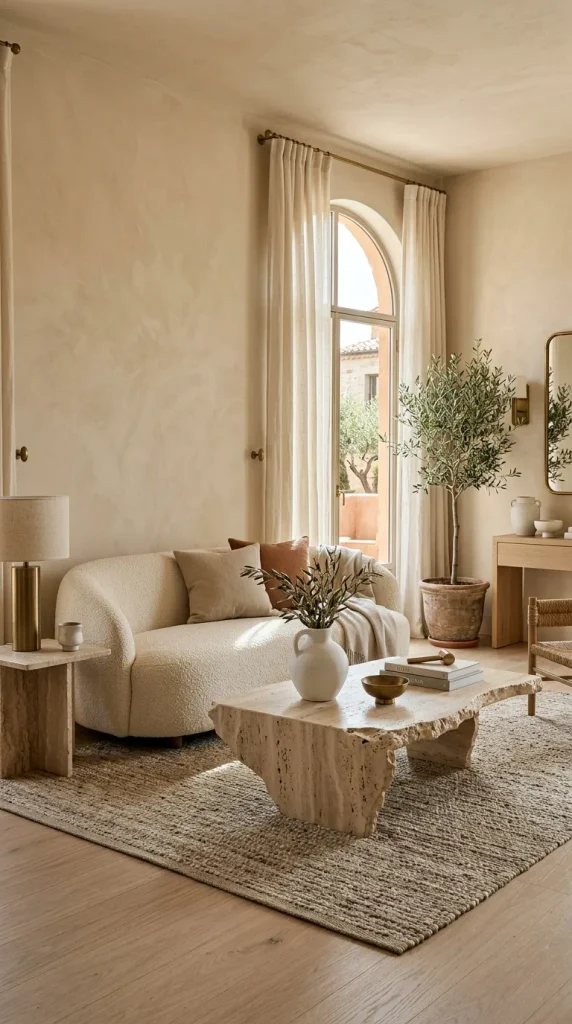
Marble and travertine are closely associated with Italian architecture and design. These natural stones can introduce a sense of luxury and timelessness into your home, whether you use them as major architectural features or as small decorative accents.
Italian-inspired interiors do not always require highly polished marble. Honed, brushed, or naturally textured finishes can create a softer and more relaxed appearance. Travertine, in particular, is ideal for warm Mediterranean spaces because of its earthy coloring and organic surface.
You can introduce stone through a coffee table, side table, countertop, console, backsplash, bathroom vanity, or decorative tray.
Materials Used
- Marble or travertine slabs
- Stone coffee tables
- Marble trays
- Natural stone accessories
- Wooden furniture
- Linen textiles
- Ceramic decor
- Neutral wall finishes
How to Create the Look
If you are making a small update, start with a marble or travertine tray on a coffee table or console. Pair it with a ceramic vase, a candle, and a few carefully selected accessories.
For a larger transformation, consider a travertine side table or a stone-topped dining table. Choose furniture with simple silhouettes so the natural beauty of the stone remains the main feature.
Marble works particularly well with warm wood, cream fabrics, aged brass, and soft beige walls. Avoid combining too many competing stone patterns in one room.
In a bathroom, a marble vanity or travertine accessories can create a spa-like atmosphere. In a kitchen, natural stone countertops can provide both durability and visual character.
Keep the rest of the decor understated. Italian interiors often allow the materials themselves to become the focal point.
The goal is not to make your home look overly formal. Instead, use stone to add texture, authenticity, and a sense of enduring quality.
3. Design an Italian-Style Dining Room
A welcoming space inspired by Italian meals and family gatherings
Dining spaces are central to the Italian lifestyle, making the dining room an important part of Italian-inspired home decor. The design should feel welcoming, comfortable, and suitable for long meals and relaxed conversations.
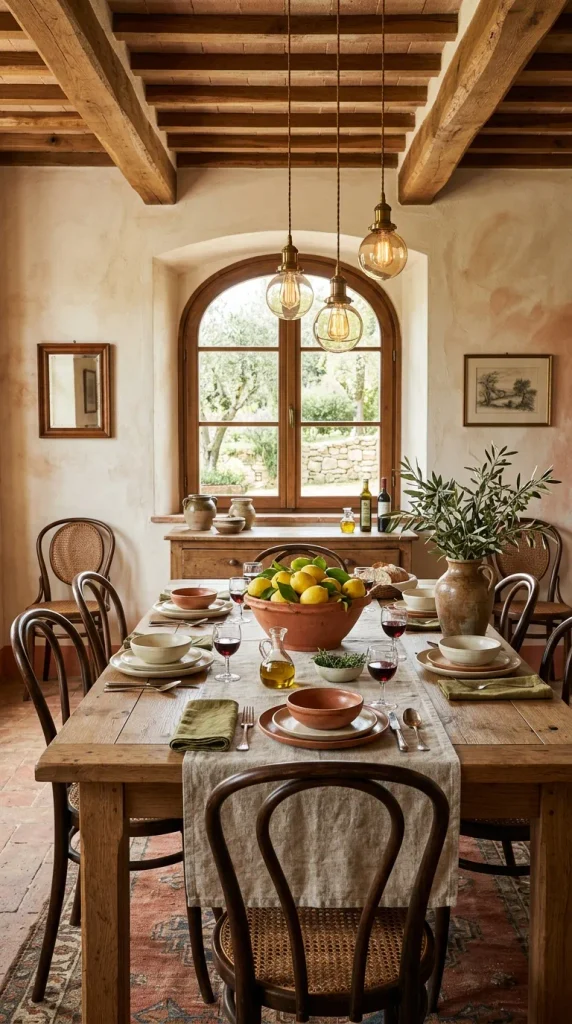
An Italian-style dining room does not need to be extravagant. A sturdy wooden table, comfortable chairs, warm lighting, and simple decorative elements can create the right atmosphere.
Choose a dining table made from natural wood, stone, or a combination of materials. A long wooden table with visible grain can create a rustic Tuscan look, while a sculptural table with a stone top can give the room a more contemporary Italian feel.
Materials Used
- Natural wood or stone dining table
- Upholstered or wooden chairs
- Linen table runner
- Ceramic dinnerware
- Handmade pottery
- Pendant light
- Textured curtains
- Decorative artwork
How to Create the Look
Start by selecting a dining table that suits the size of your room. Leave enough space around it for comfortable movement.
Choose chairs that provide both comfort and visual balance. Wooden chairs work well in rustic interiors, while upholstered chairs can create a more refined atmosphere.
Install a warm pendant light above the table. A sculptural glass, metal, or ceramic light fixture can become a beautiful focal point.
Keep the tabletop styling simple. Use a ceramic bowl filled with seasonal fruit, a linen runner, or a small arrangement of olive branches.
For everyday dining, avoid overly elaborate table settings. Italian-inspired spaces often celebrate natural materials and practical elegance.
Add artwork inspired by landscapes, architecture, or still-life paintings. Warm curtains and a textured rug can soften the room.
The finished dining area should feel like a place where people want to linger. Comfortable seating, inviting lighting, and natural textures are more important than excessive decoration.
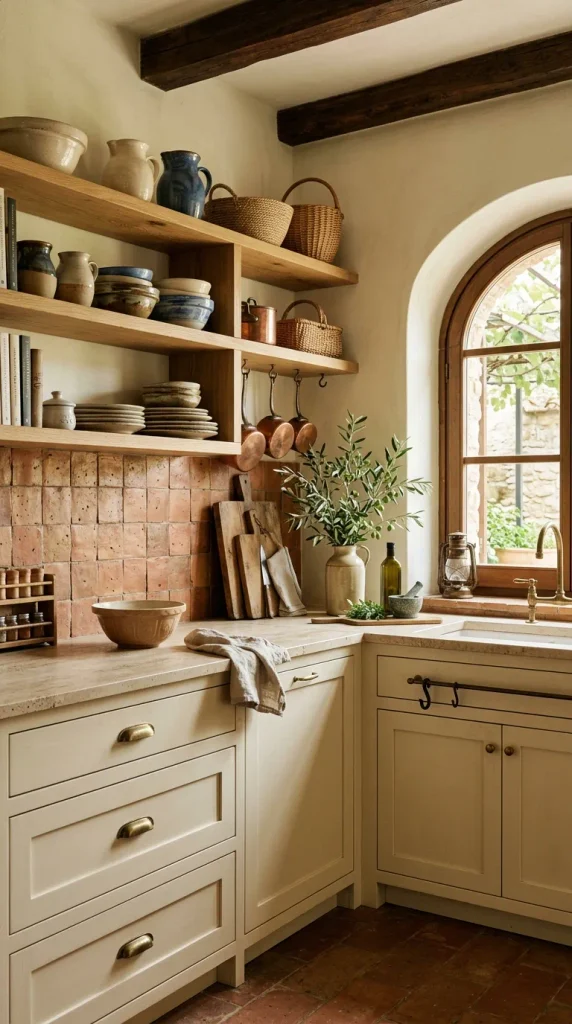
4. Create a Mediterranean Italian Kitchen
Natural textures, handmade details, and practical elegance
An Italian-inspired kitchen combines functionality with timeless beauty. Whether you prefer the rustic kitchens of southern Italy or the streamlined elegance of contemporary Milanese design, the emphasis should remain on materials, proportion, and practicality.
Mediterranean Italian kitchens often feature warm wood, natural stone, handmade tiles, open shelving, and earthy colors. Cream, terracotta, olive green, muted yellow, and soft brown can create a welcoming palette.
Cabinetry does not need to be perfectly matched. A combination of painted cabinets, natural wood, and open shelving can create a more relaxed appearance.
Materials Used
- Natural wood cabinetry
- Marble or travertine surfaces
- Handmade ceramic tiles
- Ceramic bowls
- Wooden cutting boards
- Woven baskets
- Brass or aged-metal hardware
- Linen textiles
How to Create the Look
Choose a warm foundation for the kitchen. Cream cabinets and natural wood accents can create a soft Mediterranean appearance, while olive-green cabinetry can provide a more distinctive Italian character.
Introduce handmade-looking tiles as a backsplash or use textured wall finishes for additional depth.
Open shelving is useful for displaying ceramic plates, bowls, glassware, and wooden utensils. Arrange these items neatly but avoid making the shelves look overly staged.
Add a few functional decorative objects, such as a large ceramic pitcher, a wooden cutting board, or a woven basket.
For lighting, use warm pendant fixtures or wall sconces that complement the kitchen’s materials.
If you are working with a small budget, focus on accessories rather than structural changes. Replace cabinet handles, add ceramic storage containers, or introduce linen curtains.
The result should be a kitchen that feels warm, practical, and connected to the relaxed atmosphere of Italian homes.
5. Embrace Italian Minimalist Bedroom Decor
Soft neutrals, sculptural furniture, and understated luxury
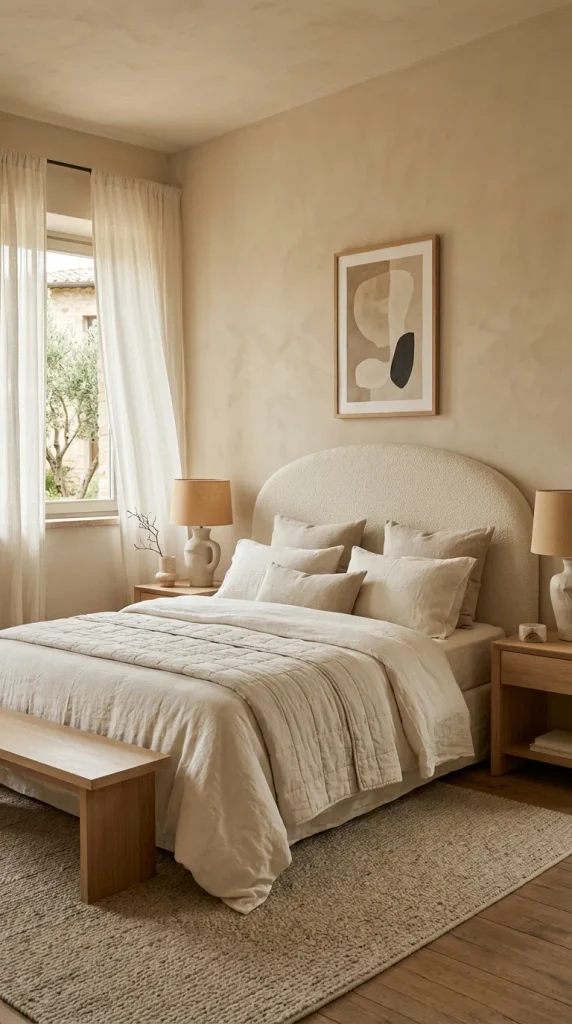
Italian minimalist bedrooms are often defined by their simplicity, comfortable proportions, and carefully selected materials. Unlike stark minimalism, this style tends to feel warm and inviting rather than cold.
The room should provide a peaceful environment with minimal visual distractions. A restrained color palette, soft fabrics, and elegant furniture can help create this atmosphere.
Choose neutral shades such as ivory, warm white, beige, taupe, soft gray, or muted brown. You can introduce deeper colors through wood, artwork, or a single accent piece.
Materials Used
- Linen bedding
- Natural wood furniture
- Upholstered headboard
- Stone or ceramic accessories
- Wool or cotton rug
- Soft curtains
- Sculptural lighting
- Neutral paint
How to Create the Look
Begin with a comfortable bed and simple bedding. Linen or cotton sheets in warm neutral tones create a relaxed appearance.
Choose a headboard with a soft silhouette. Upholstered, wooden, or gently curved designs can work well.
Keep bedside tables uncluttered. Place a warm table lamp, a small ceramic object, and perhaps a book on each side.
Introduce a natural wood bench at the foot of the bed if space allows. A textured rug can soften the floor and create additional warmth.
Wall decor should be carefully chosen. One large abstract artwork or a subtle landscape print may be more effective than a crowded gallery wall.
Lighting is essential. Combine natural daylight with bedside lamps and gentle ambient lighting.
The Italian minimalist bedroom should feel calm but not empty. A combination of soft textures, organic shapes, and high-quality-looking materials creates a sophisticated space that remains comfortable and personal.
6. Decorate With Italian Ceramic Vases and Handmade Pottery
Artisanal details that bring character to everyday spaces
Ceramics and handmade pottery are wonderful additions to Italian-inspired interiors. They can introduce color, texture, and individuality without requiring a complete room makeover.
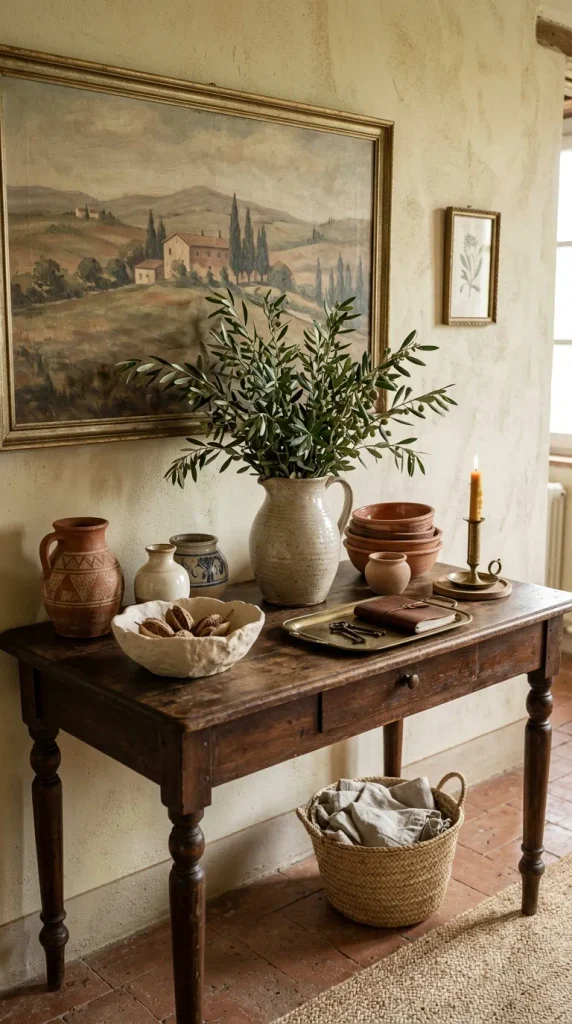
Italian ceramic traditions are diverse, ranging from rustic terracotta pottery to colorful decorative pieces and refined contemporary ceramics. You can draw inspiration from these traditions while choosing objects that suit your own home.
Large ceramic vases can make a strong statement on a console or dining table. Smaller handmade bowls and pitchers can be used as functional accessories.
Materials Used
- Ceramic vases
- Terracotta pots
- Handmade bowls
- Ceramic pitchers
- Stoneware plates
- Wooden trays
- Dried or fresh botanicals
- Decorative pottery
How to Create the Look
Start by selecting a few ceramic pieces in complementary colors. Cream, terracotta, olive green, mustard, brown, and soft blue can work beautifully in Italian-inspired rooms.
Place a large vase on a console table or sideboard. Fill it with olive branches, eucalyptus, dried stems, or other suitable botanical arrangements.
Use smaller pottery pieces on bookshelves, open kitchen shelves, or bedside tables.
Mix smooth ceramics with rougher terracotta finishes to create contrast. This combination makes the arrangement feel more handcrafted.
Avoid placing too many objects in one area. A single large vase can often have more impact than a collection of small accessories.
In the kitchen, ceramic bowls and pitchers can be both practical and decorative. In the bathroom, a ceramic container can add a subtle artisanal touch.
The beauty of pottery lies in its imperfections. Slight variations in shape and finish can make a room feel more personal and authentic.
7. Bring Italian Coastal Style Into Your Home
Relaxed Mediterranean charm inspired by coastal villas
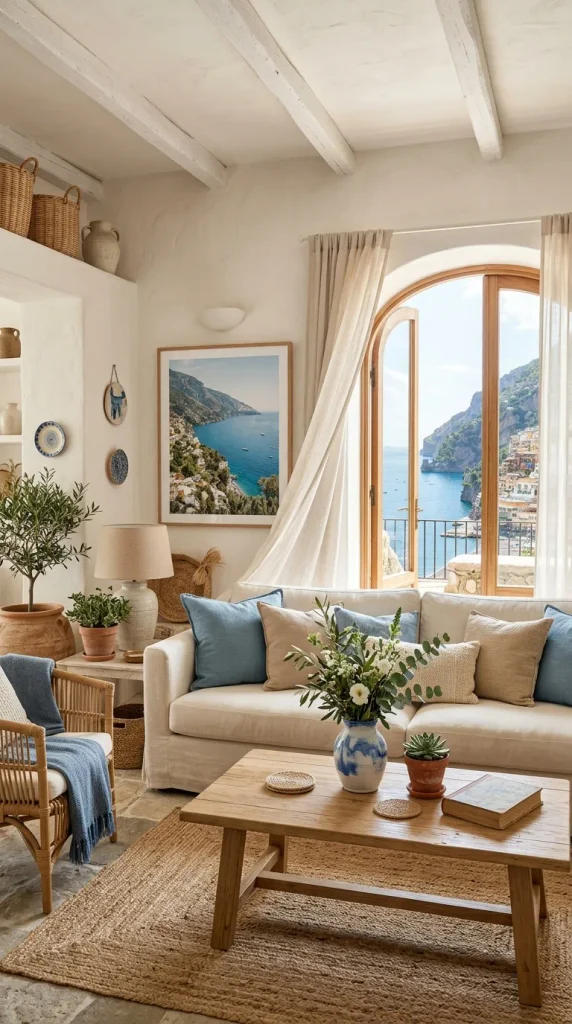
Italian coastal decor is inspired by seaside destinations such as the Amalfi Coast, Capri, Sicily, and other Mediterranean locations. This style combines relaxed elegance with natural textures, light colors, and an airy atmosphere.
Unlike a heavily themed beach interior, Italian coastal decorating is usually more understated. Instead of filling the room with obvious nautical accessories, focus on natural materials and a calming color palette.
Use colors such as warm white, sandy beige, soft blue, olive green, and muted terracotta.
Materials Used
- Linen curtains
- Cotton textiles
- Light wood furniture
- Woven baskets
- Natural stone
- Ceramic accessories
- Rattan accents
- Soft blue decor
How to Create the Look
Start with light-colored walls to create an open and airy foundation. Warm white or soft cream can work beautifully.
Choose furniture made from light wood, natural fibers, or painted finishes. A linen sofa or wooden dining table can establish the relaxed Mediterranean character.
Add cushions in neutral shades with subtle blue or terracotta accents. Avoid excessive nautical patterns.
Natural stone accessories, ceramic vases, and woven baskets can introduce texture.
Allow plenty of natural light into the room. Sheer linen curtains can soften sunlight while maintaining an airy appearance.
A few coastal-inspired artwork pieces can reinforce the theme. Choose paintings or prints featuring Mediterranean landscapes, architectural details, or soft abstract forms.
The key is restraint. Italian coastal style should feel like a relaxed seaside home rather than a themed beach room.
This approach works especially well in living rooms, bedrooms, dining spaces, and outdoor seating areas.
8. Use Arched Doorways and Architectural Details
Architectural character inspired by traditional Italian interiors
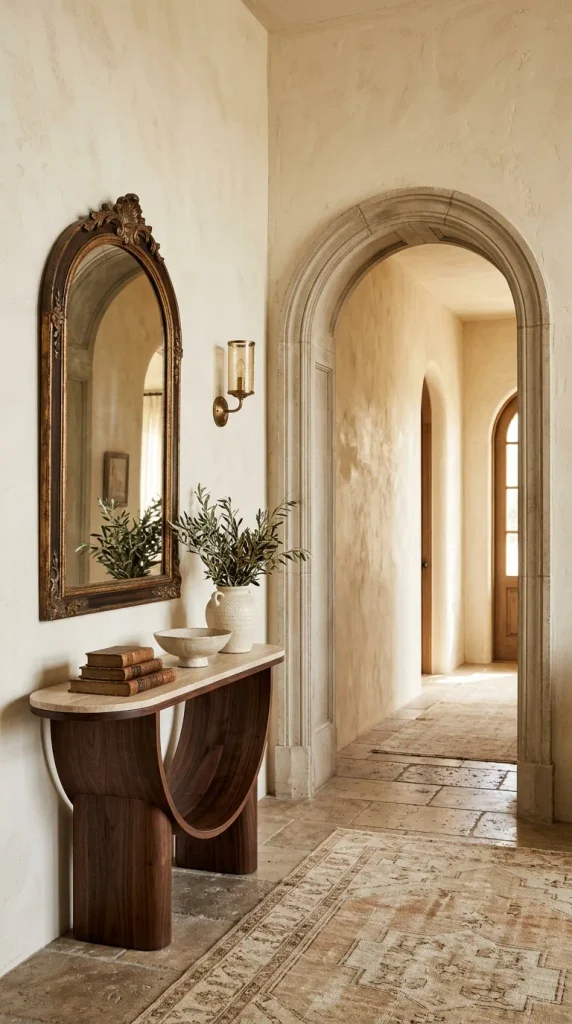
Italian architecture is known for its beautiful proportions, arches, textured walls, decorative moldings, and historic details. You can bring some of this character into your home through small architectural updates or decorative illusions.
Arched doorways and niches can make a space feel softer and more distinctive. If structural changes are not practical, you can introduce curved shapes through furniture, mirrors, wall shelves, and artwork.
Materials Used
- Paint or textured wall finish
- Arched mirrors
- Curved shelving
- Decorative molding
- Plaster or limewash-style finishes
- Wooden furniture
- Stone accessories
- Wall lighting
How to Create the Look
If your home already has architectural arches, make them a focal point by using warm paint or textured finishes.
For a simple decorative update, install an arched mirror above a console table or dresser. The curved shape can soften a room filled with straight lines.
You can also use curved furniture, such as a rounded coffee table or an arched headboard, to create an Italian-inspired silhouette.
Textured walls are another effective option. A limewash-inspired finish or subtle plaster texture can create depth and an old-world appearance.
Decorative niches can be used to display ceramics, artwork, candles, or small sculptures. If you cannot create a permanent niche, consider a shallow wall shelf with a similar visual effect.
The goal is to emphasize shape and proportion rather than add excessive decoration.
Architectural details are particularly effective because they can make even a simple room feel more distinctive. Combined with warm lighting and natural materials, they create a sophisticated European atmosphere.
9. Create an Italian-Inspired Outdoor Patio
Relaxed alfresco living with Mediterranean materials
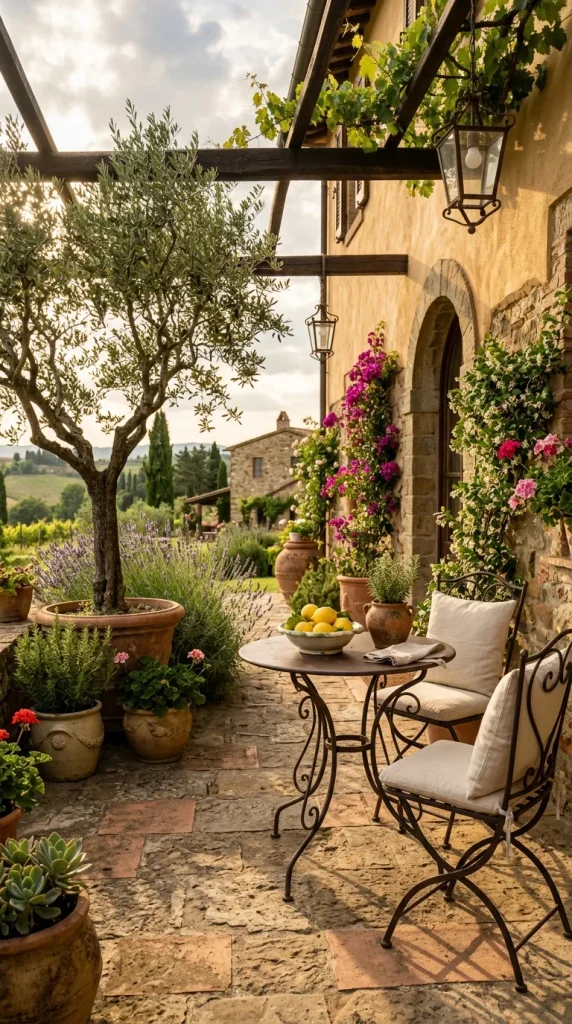
Outdoor living is an important source of inspiration for Italian home decor. Italian-inspired patios and balconies often combine comfortable seating, natural materials, potted plants, and warm lighting to create inviting spaces for relaxation.
You do not need a large garden or terrace to achieve this look. A small balcony, courtyard, or compact outdoor corner can be transformed with a few thoughtful additions.
Materials Used
- Terracotta pots
- Wrought-iron or wooden furniture
- Linen cushions
- Outdoor rugs
- Ceramic planters
- Olive or citrus plants where suitable
- Outdoor lanterns
- Natural stone accessories
How to Create the Look
Begin with comfortable seating that suits the size of your outdoor area. A small bistro table and two chairs can work beautifully on a balcony.
For a larger patio, choose a wooden bench or outdoor sofa with neutral cushions.
Use terracotta pots to introduce warmth and Mediterranean character. Fill them with plants suitable for your climate and available sunlight.
Olive trees, herbs, lavender, and other Mediterranean-inspired plants can contribute to the look, although their suitability depends on local growing conditions.
Add outdoor cushions in cream, beige, or muted earthy tones. A textured outdoor rug can help define the seating area.
For evening ambiance, use outdoor-safe lanterns and warm lighting. Make sure any electrical or flame-based lighting is designed for outdoor use.
Decorate sparingly with ceramic planters and natural stone accessories.
The finished patio should feel comfortable and informal, offering a peaceful place for morning coffee, meals, or evening relaxation.
10. Add Italian Vintage Furniture and Antique Accents
A collected interior with timeless personality
Italian interiors often look beautiful because they combine different periods, materials, and design influences. Vintage furniture and antique-inspired accessories can help create a room that feels personal rather than overly coordinated.
You do not need to fill your home with expensive antiques. A few carefully selected pieces can provide the character you need.
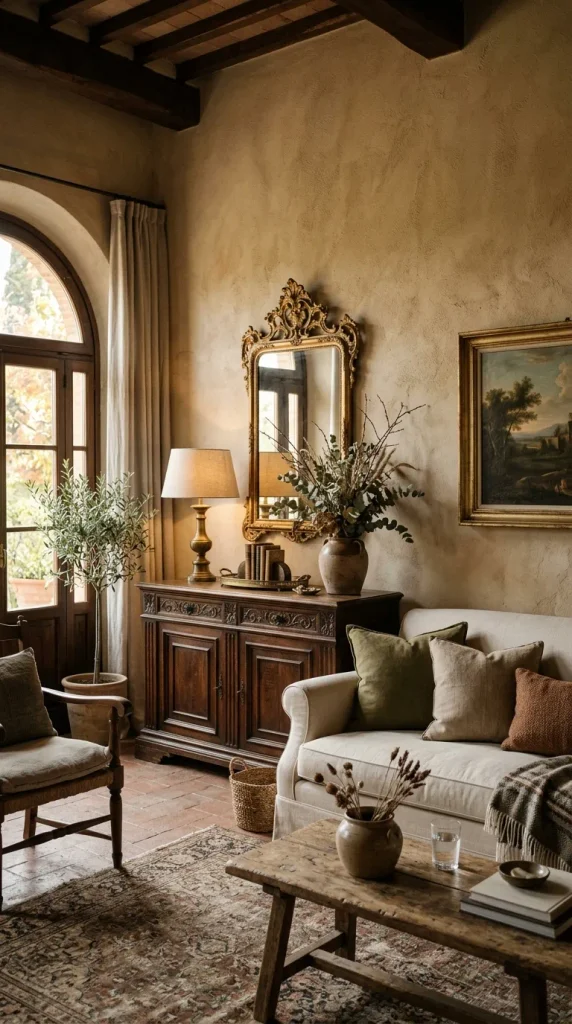
Look for wooden cabinets, vintage mirrors, traditional chairs, decorative side tables, ceramic lamps, and artwork with an aged appearance.
Materials Used
- Vintage wooden furniture
- Antique-style mirrors
- Brass accessories
- Ceramic lamps
- Framed artwork
- Linen upholstery
- Woven baskets
- Natural wood decor
How to Create the Look
Start with one statement piece, such as an antique-style console, wooden cabinet, or vintage mirror.
Place it in a prominent location where its shape and finish can be appreciated.
Combine older-looking furniture with contemporary pieces to avoid making the room feel like a museum. For example, pair a vintage wooden sideboard with a modern ceramic lamp or a simple linen sofa.
Use brass, bronze, or aged-metal accents to add warmth.
Artwork is another way to introduce Italian-inspired character. Choose landscape paintings, still-life artwork, architectural prints, or abstract pieces with warm colors.
Avoid matching every piece of furniture. A combination of complementary styles often feels more natural and sophisticated.
If you are shopping on a budget, explore secondhand furniture stores, flea markets, and local vintage markets. Look for quality construction and finishes that can be refreshed if necessary.
The final result should feel layered, comfortable, and individual. Italian-inspired interiors are not about perfection; they are about creating a home with warmth, beauty, and a sense of history.
Final Thoughts
Italian home decor is a wonderful choice for anyone who appreciates natural materials, timeless furniture, warm colors, and effortless elegance. From rustic Tuscan living rooms to refined minimalist bedrooms, this style offers a wide range of decorating possibilities.
You do not need to redesign your entire home to introduce Italian-inspired elements. Start with small changes, such as adding ceramic vases, introducing linen textiles, choosing warm lighting, or displaying a beautiful piece of vintage furniture.
For a rustic atmosphere, focus on terracotta, reclaimed wood, textured walls, and earthy colors. If you prefer a contemporary Italian look, explore sculptural furniture, travertine, soft neutrals, and clean lines. For a coastal feeling, introduce light wood, linen, ceramics, and Mediterranean-inspired colors.
The most important principle is to choose materials and accessories that feel authentic to your space. Avoid excessive decoration and let the beauty of the furniture, architecture, and textures speak for itself.
With these 10 Italian home decor ideas, you can create a home that feels welcoming, artistic, comfortable, and timeless. Whether you incorporate a single Italian-inspired accent or transform an entire room, the result can be a beautiful reflection of your personal style.




Leave a Reply