
Introduction
Choosing the right pillow combinations for your couch is one of the easiest ways to transform your living room without spending money on new furniture. Decorative throw pillows add color, texture, comfort, and personality to a sofa, making even a simple couch look stylish and inviting. Whether you prefer a modern minimalist living room, a cozy farmhouse interior, or a luxurious contemporary space, the right combination of pillows can help you create a beautiful and balanced look.

The secret to styling couch pillows is knowing how to mix colors, patterns, shapes, and fabrics. Instead of choosing pillows that all look exactly the same, you can combine complementary shades, different textures, and varying sizes to create a layered appearance. For example, pairing solid-colored pillows with subtle patterns and textured fabrics can make your sofa look professionally styled while still feeling comfortable enough for everyday use.
In this guide, you will discover 10 pillow combinations ideas for couch styling that work with different interior design styles, color schemes, and budgets. Each idea includes practical suggestions for choosing pillow colors, materials, sizes, and arrangements. Whether you are decorating a neutral sofa, refreshing a dark couch, or adding a cozy touch to a small living room, these ideas will help you create a beautiful pillow arrangement that suits your home.
Materials Used for Styling Couch Pillows
Before choosing your pillow combinations, gather a few basic materials and decorative accessories to help you achieve a coordinated look.
- Throw pillows: Choose a variety of sizes, including 18-by-18-inch, 20-by-20-inch, and lumbar pillows.
- Pillow covers: Cotton, linen, velvet, boucle, knitted fabric, and faux fur are useful options.
- Color palette: Select two to four complementary colors that work with your couch and living room decor.
- Patterned pillow covers: Consider stripes, geometric prints, florals, checks, or abstract designs.
- Pillow inserts: Choose inserts that fit the covers properly and provide enough fullness.
- Decorative accents: Coordinate pillows with blankets, rugs, curtains, artwork, or nearby furniture.
- Measuring tape: Use it to check pillow dimensions and maintain balanced proportions.
You do not need to purchase everything new. Reusing pillow covers you already own and changing their arrangement can give your couch a completely different appearance.
1. Neutral Beige and Cream Pillow Combination
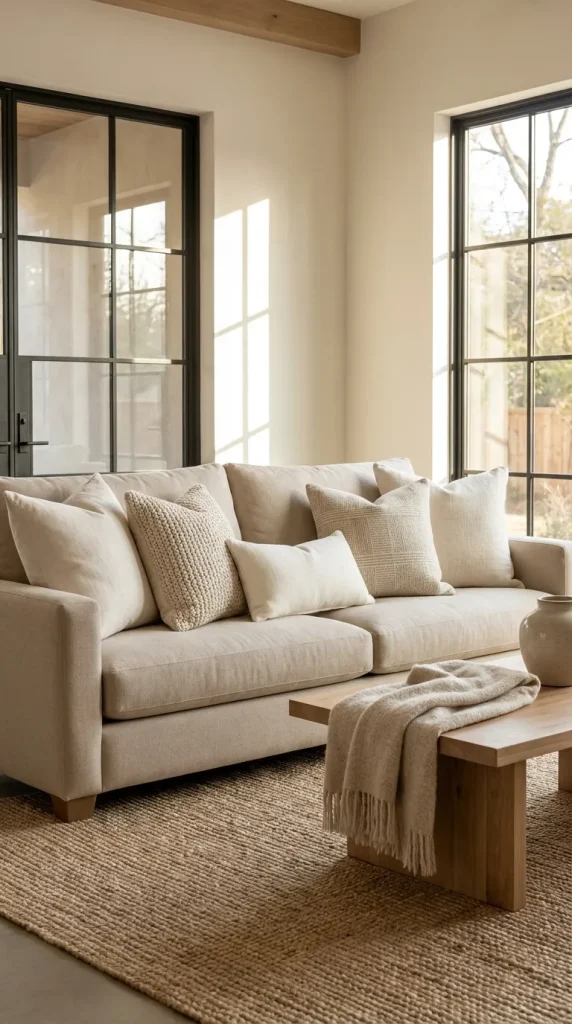
A beige and cream pillow combination is perfect for creating a calm, elegant, and timeless living room. These soft neutral shades work beautifully with beige, white, gray, brown, and even charcoal couches. Because the colors are subtle, this combination creates a relaxed atmosphere without making the sofa look plain or unfinished.
Start with two large cream-colored pillows placed at the back corners of your couch. Choose covers made from cotton, linen, or a textured woven fabric to introduce subtle visual interest. Add two beige pillows in front of them, preferably in slightly different shades. For the final touch, include a smaller lumbar pillow in ivory, oatmeal, or warm taupe.
The key to making neutral pillows look attractive is mixing textures rather than relying on color alone. For example, combine a smooth cotton pillow with a chunky knitted cover and a linen pillow with visible woven details. These differences create depth while keeping the overall color palette coordinated.
Materials to use: Cream cotton pillow covers, beige linen covers, oatmeal knitted fabric, neutral pillow inserts, and an ivory lumbar pillow.
How to style it: Place the largest pillows at the outer corners and layer smaller pillows toward the center. Keep the arrangement slightly relaxed rather than perfectly symmetrical if you want a modern organic look.
This combination is especially suitable for Scandinavian interiors, modern farmhouse living rooms, minimalist homes, and cozy neutral spaces. Pair the pillows with a beige throw blanket, a natural wood coffee table, and a woven basket for a cohesive finish.
To prevent the arrangement from appearing flat, use at least three different textures. You can also introduce a subtle striped or embroidered pillow as long as it stays within the same neutral palette. The result is a sophisticated couch that feels comfortable, welcoming, and easy to update throughout the year.
2. Sage Green and Cream Pillow Combination
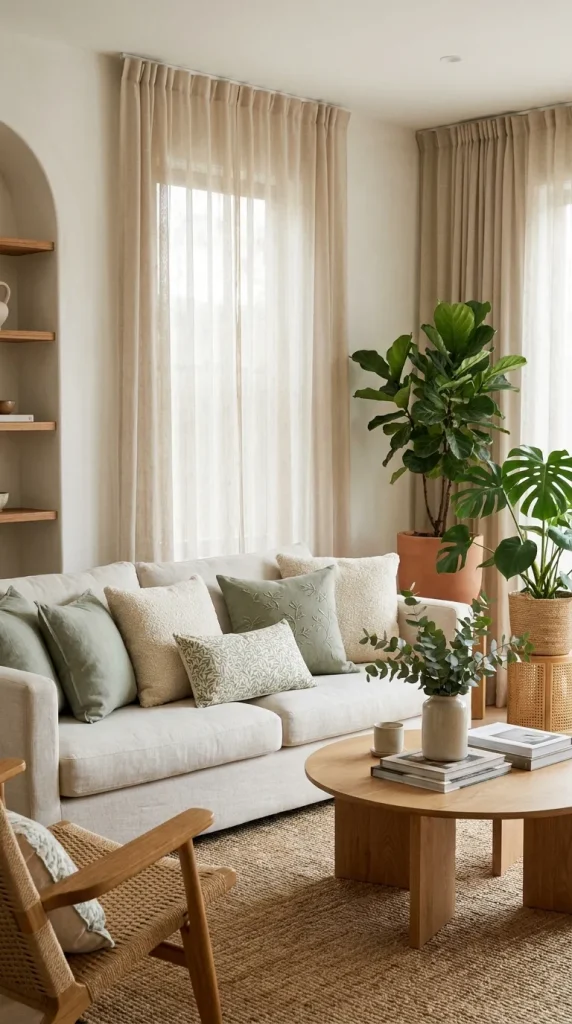
Sage green and cream create a fresh, natural, and soothing pillow combination that brings a gentle touch of color into your living room. Sage green has a muted appearance, making it easier to coordinate with neutral furniture than brighter shades of green. Cream balances the color and keeps the arrangement looking light and elegant.
For this combination, choose two sage green square pillows and two cream-colored pillows. You can use solid sage covers for a simple appearance and cream covers with subtle botanical embroidery or woven patterns for extra detail. Add one smaller lumbar pillow featuring a delicate leaf pattern or a combination of sage, ivory, and beige.
This arrangement works particularly well with cream, beige, light gray, and natural linen couches. If your sofa is dark gray or charcoal, choose slightly lighter sage pillows to create contrast. For a brown couch, warmer sage shades can complement the furniture beautifully.
Materials to use: Sage green cotton or linen covers, cream textured pillows, a botanical-print lumbar pillow, and soft pillow inserts.
How to style it: Place one cream pillow and one sage pillow at each end of the couch. Position the patterned lumbar pillow near the center or slightly off-center for a more relaxed arrangement.
To make the color combination feel connected to the rest of your living room, repeat sage green in small decorative details. A potted plant, green artwork, or a vase with leafy branches can help tie everything together. Avoid adding too many unrelated colors, as the charm of this palette comes from its simplicity.
This combination is ideal for organic modern interiors, cottage-inspired rooms, contemporary homes, and nature-themed living spaces. It also works well in spring and summer, although its muted tones are suitable throughout the year.
For a more luxurious finish, include a sage velvet pillow beside a cream boucle or woven pillow. The contrast between the soft velvet and textured cream fabric creates an attractive layered appearance without requiring bold patterns or excessive decoration.
3. Black, White, and Gray Pillow Combination
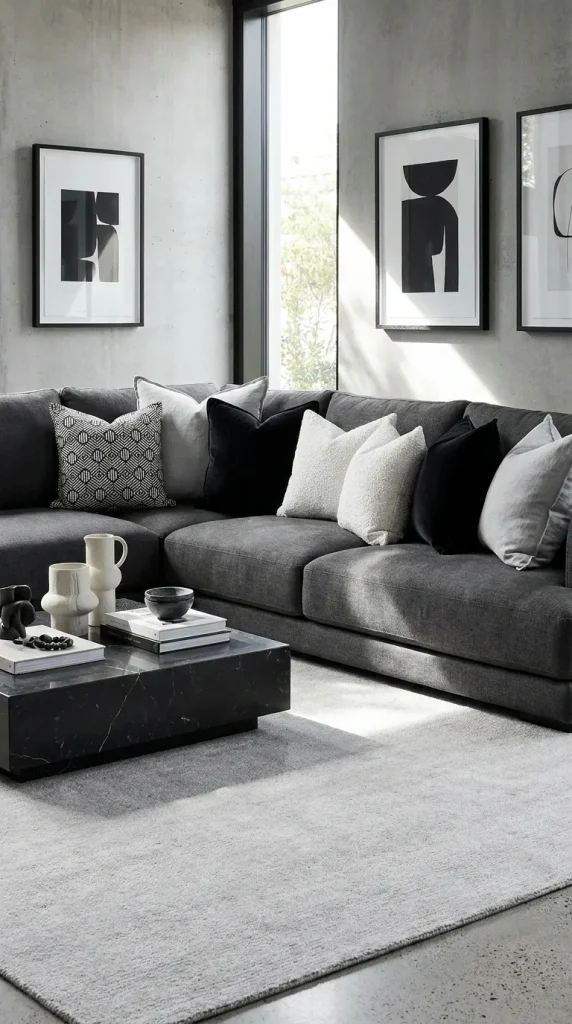
A black, white, and gray pillow combination is a great choice for modern living rooms that need a clean, coordinated, and sophisticated appearance. This monochromatic palette works with many couch colors, especially gray, black, white, and charcoal. It can also create a striking contrast against a beige or tan sofa.
Begin with two large light-gray pillows at the back of the arrangement. Add two white or ivory pillows in front, using textured fabrics to prevent the palette from looking too plain. Finish with one or two black-and-white patterned pillows featuring stripes, geometric shapes, or simple abstract designs.
The most important part of this combination is balancing the darker colors with lighter ones. Too many black pillows may make a small sofa feel visually heavy, while too much white can create an overly uniform appearance. Using gray as a middle shade helps connect the two extremes.
Materials to use: Light-gray linen covers, white textured pillow covers, black velvet or cotton covers, and monochrome geometric-print pillows.
How to style it: Place the larger gray pillows at the outer ends, layer the white pillows in front, and use black or patterned pillows as accents. On a long couch, distribute the darker pillows across the arrangement instead of clustering all of them together.
For a minimalist look, choose simple stripes and solid colors. If your living room has a more contemporary or artistic style, abstract prints and varied textures can make the arrangement feel more expressive.
You can coordinate the pillows with a black coffee table, white curtains, a gray rug, or black-framed wall art. However, the room does not need to be completely monochromatic. A wooden coffee table or warm lighting can soften the contrast and make the space feel more welcoming.
This combination is particularly useful for anyone who wants a timeless design that can easily be refreshed. You can change one or two pillow covers seasonally without replacing the entire collection.
4. Mustard Yellow and Navy Blue Pillow Combination
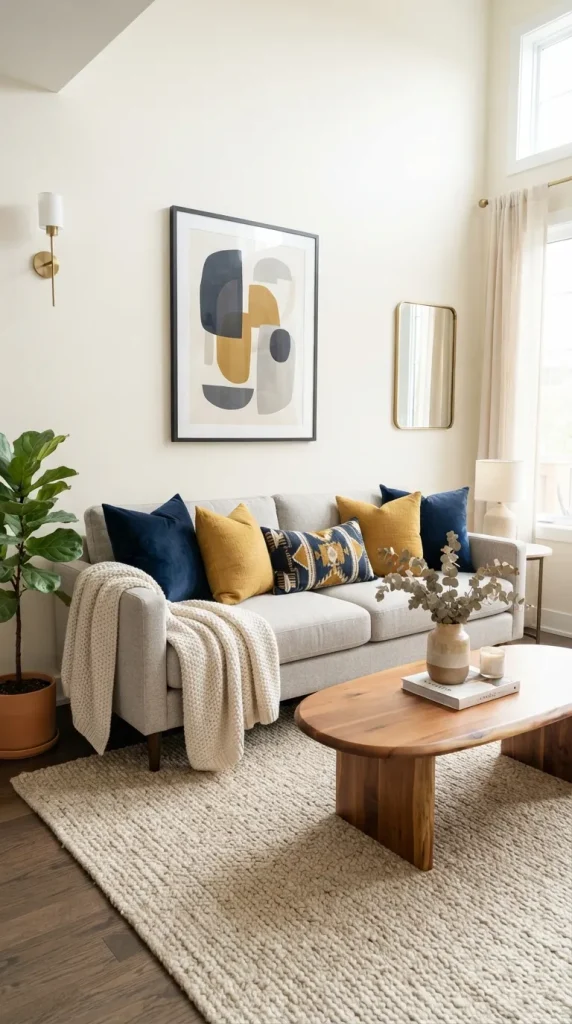
Mustard yellow and navy blue create a bold, stylish, and balanced pillow combination. Navy provides a deep, grounding color, while mustard adds warmth and brightness. Together, they create a striking contrast that looks especially attractive on neutral couches.
Start with two navy blue pillows as the foundation. Add two mustard yellow pillows in front, choosing a fabric such as velvet, cotton, or linen depending on the look you want. Finish with a patterned lumbar pillow that combines navy, mustard, cream, or a small amount of gray.
This combination works particularly well with beige, light-gray, cream, and medium-gray sofas. On a navy couch, use mustard pillows as the brighter accents and introduce cream or light beige to prevent the arrangement from blending into the sofa.
Materials to use: Navy cotton or velvet pillow covers, mustard yellow covers, a patterned lumbar pillow, and medium-firm inserts.
How to style it: Place navy pillows toward the outer corners and layer mustard pillows in front. Use the patterned pillow near the middle to connect both colors.
If you prefer a subtle look, choose muted mustard and deep navy rather than very bright yellow and blue. Softer shades create a more refined arrangement and are easier to coordinate with existing furniture.
You can repeat mustard in a small throw blanket, decorative bowl, or artwork. Navy can appear in curtains, a rug, or framed prints. Repeating these colors in a few places makes the room feel intentional without requiring every accessory to match.
This combination suits transitional interiors, contemporary living rooms, eclectic spaces, and rooms with warm wood furniture. It is also an excellent way to add personality to a plain sofa without changing its upholstery.
For additional depth, mix a smooth navy pillow with a mustard velvet pillow and a woven patterned design. These different finishes keep the arrangement visually interesting while the two main colors maintain a consistent style.
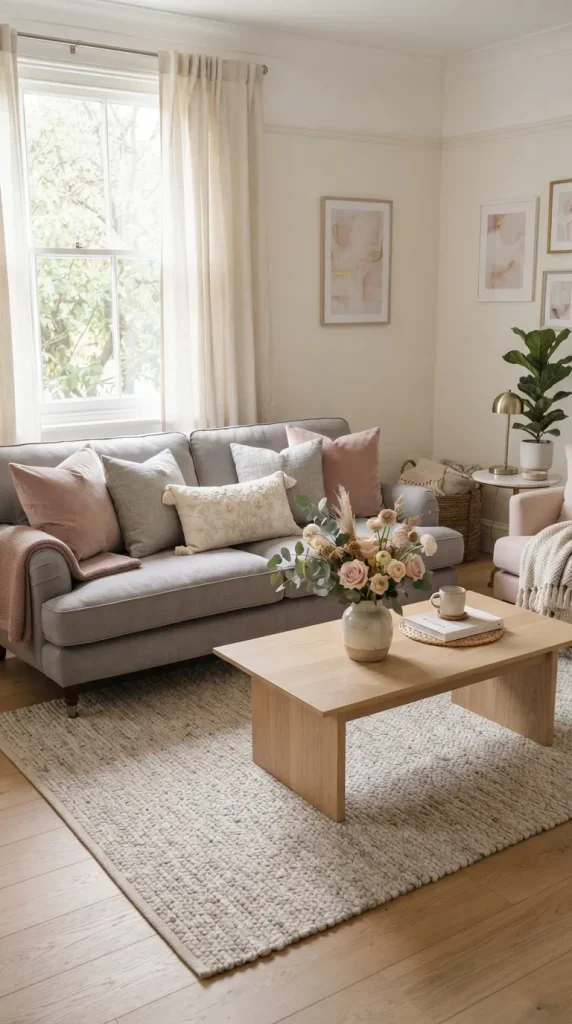
5. Blush Pink and Soft Gray Pillow Combination
Blush pink and soft gray create a gentle, elegant, and welcoming pillow combination. The pale pink adds warmth and a delicate hint of color, while gray keeps the overall look balanced. This pairing is suitable for anyone who wants a soft, sophisticated living room without using overly bright or dramatic colors.
Choose two soft-gray pillows as the base and add two blush pink pillows in slightly different textures. For example, combine a gray linen cover with a pink velvet cover to create contrast. Add a smaller cream or white lumbar pillow with a subtle floral, abstract, or embroidered design.
This combination looks beautiful on light-gray, white, cream, and beige couches. It can also soften the appearance of a darker gray sofa, especially when the pink pillows are paired with ivory accents.
Materials to use: Blush pink velvet covers, soft-gray linen covers, cream cotton pillow covers, and a small decorative lumbar pillow.
How to style it: Arrange the gray pillows toward the back and place the blush pillows in front. Add the smaller cream pillow near the center for a light finishing detail.
The secret to making pink look sophisticated is choosing the right shade. Dusty rose, muted blush, and pale rose are generally easier to coordinate with neutral furniture than very bright pink. Gray can range from warm greige to cool silver, so select a shade that works with your couch and flooring.
To connect the pillows with the rest of the room, use blush pink in small accents such as flowers, artwork, or a decorative vase. Gray can be repeated in a rug or curtains, while cream helps maintain a light and airy feeling.
This palette is suitable for contemporary apartments, feminine interiors, transitional homes, and elegant living rooms. It can also be used in guest rooms or reading corners where a calm atmosphere is desirable.
For a more textured arrangement, choose one ribbed pink pillow, one smooth gray pillow, and one woven cream design. These materials provide visual depth while keeping the color combination gentle and cohesive.
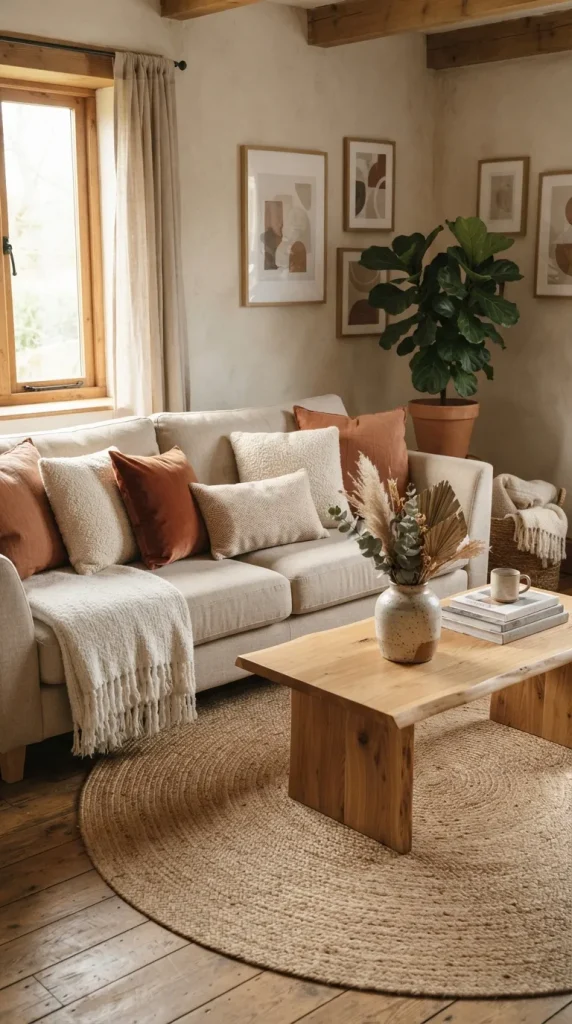
6. Terracotta, Rust, and Cream Pillow Combination
Terracotta, rust, and cream are excellent choices for creating a warm, earthy, and cozy living room. Inspired by natural clay, autumn leaves, and desert landscapes, these colors bring richness to a sofa without requiring a large number of decorative accessories.
Begin with two cream or oatmeal pillows to provide a light foundation. Add two terracotta or rust-colored pillows, preferably in different fabrics such as cotton, velvet, or linen. Complete the arrangement with a patterned lumbar pillow featuring terracotta, cream, and muted brown details.
This combination works especially well with beige, cream, tan, brown, and light-gray couches. On a dark brown sofa, use more cream pillows to create contrast and prevent the arrangement from looking too heavy.
Materials to use: Terracotta cotton covers, rust velvet covers, cream linen pillows, a warm-toned patterned lumbar pillow, and textured inserts.
How to style it: Position the cream pillows at the outer ends and layer the terracotta pillows in front. Use the patterned pillow as the finishing accent, either at the center or slightly toward one side.
For a relaxed, organic appearance, combine smooth fabric with woven or embroidered details. You could also choose a pillow featuring a subtle geometric pattern in warm earthy shades. Avoid introducing too many strong colors, because the terracotta and rust tones already provide plenty of visual interest.
These pillows look particularly attractive alongside natural wood furniture, jute rugs, ceramic vases, and woven baskets. A cream throw blanket can soften the stronger shades and connect the arrangement to the rest of the room.
This palette suits bohemian interiors, modern rustic spaces, Mediterranean-inspired homes, and contemporary living rooms that use natural materials. It is especially appealing during autumn, but the colors are versatile enough for year-round styling.
If you want a more modern finish, keep the patterns simple and focus on the contrast between terracotta and cream. For a bohemian look, add a tasseled lumbar pillow or a woven cover with subtle decorative stitching.
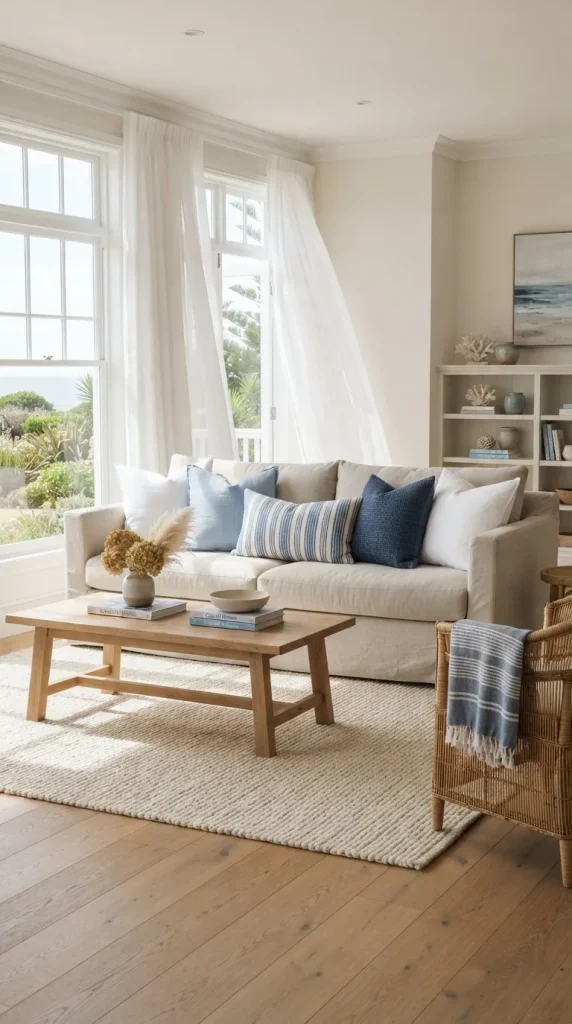
7. Blue and White Coastal Pillow Combination
A blue and white pillow combination brings a fresh, airy, and relaxed feeling to your living room. Inspired by coastal interiors, this palette works especially well in spaces with natural light, light-colored furniture, and simple decorative accessories.
Start with two white or ivory pillows as the base. Add two blue pillows in different shades, such as soft sky blue and muted navy. Finish with a striped or subtle nautical-inspired lumbar pillow that combines blue and white.
The advantage of this combination is its flexibility. Pale blue creates a soft and peaceful atmosphere, while navy adds depth and contrast. You can choose a lighter palette for a breezy coastal style or use deeper blues for a more structured, contemporary appearance.
Materials to use: White cotton covers, blue linen pillows, navy woven covers, striped pillow fabric, and comfortable inserts.
How to style it: Place the largest white pillows at the ends of the couch, layer blue pillows in front, and add the striped lumbar pillow as a focal point. On a long sofa, spread the blue tones evenly to maintain visual balance.
This combination looks beautiful on white, beige, light-gray, and natural linen couches. It can also brighten a navy sofa when you use plenty of white and pale blue.
To complete the coastal look, coordinate the pillows with light wood furniture, a textured cream rug, sheer curtains, and simple ceramic accessories. You do not need to fill the room with seashells or nautical decorations. A few natural textures and a restrained color palette are enough to create the desired effect.
For a more elegant arrangement, choose solid blue pillows with different textures rather than relying entirely on stripes. One linen pillow, one cotton pillow, and one subtle woven design can create a layered appearance while preserving the relaxed feeling.
This combination is ideal for beach-inspired homes, bright apartments, summer decorating, and living rooms that need a fresh color update.
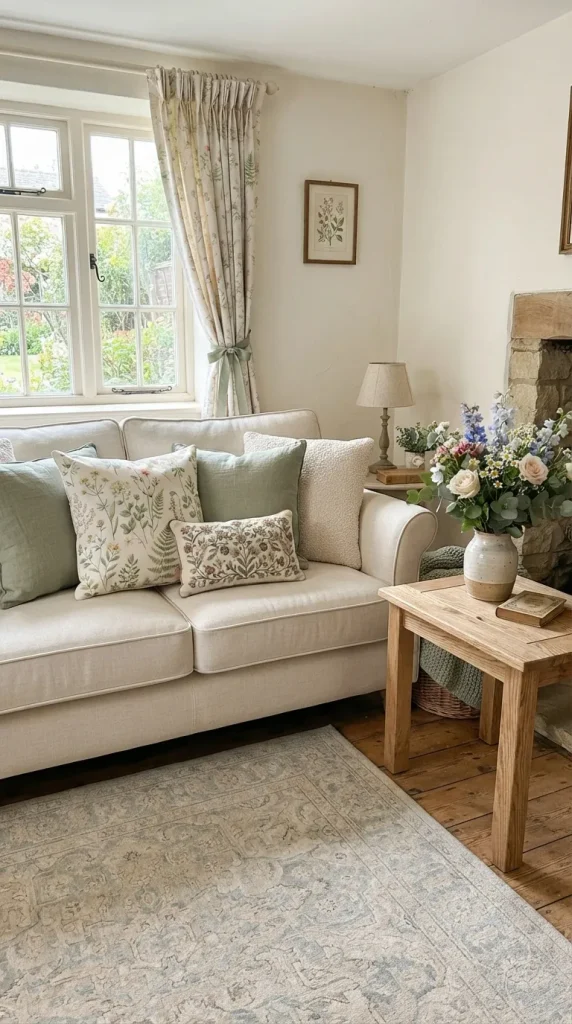
8. Floral and Solid-Color Pillow Combination
Combining floral pillows with solid-colored pillows is a simple way to add personality, pattern, and softness to your couch. Floral designs can look traditional, romantic, modern, or playful depending on their colors and scale. The key is choosing one floral print and coordinating the remaining pillows with colors found in that design.
Begin with one or two floral pillows that feature a clear color palette. For example, a floral cover with cream, sage green, and muted pink can become the inspiration for the entire arrangement. Add two solid-colored pillows in sage and cream, then finish with a smaller textured pillow in one of the floral print’s accent colors.
Using a single main pattern prevents the arrangement from becoming visually confusing. If you want to mix patterns, keep the additional designs subtle, such as a narrow stripe or a small-scale geometric print. The colors should connect the patterns so that the combination feels deliberate.
Materials to use: Floral cotton or linen covers, solid sage or cream covers, a textured accent pillow, and inserts that maintain the pillows’ shape.
How to style it: Place the floral pillows near the outer ends or at opposite corners of the couch. Add solid pillows in front, using the smallest pillow to bring the arrangement together.
This style works particularly well on neutral sofas because the floral pattern becomes the main decorative feature. A beige or cream couch creates a gentle backdrop, while a gray couch can make the floral colors appear more defined.
To create a modern look, choose oversized botanical prints with plenty of open background space. For a cottage-inspired interior, select smaller floral patterns in muted colors. For a more traditional room, consider detailed botanical designs paired with classic fabrics.
The rest of the living room should complement rather than compete with the pillows. Simple curtains, a neutral rug, and understated accessories allow the floral design to stand out.
This combination is perfect for cottagecore interiors, vintage-inspired living rooms, romantic spaces, and homes that need a touch of color without a complete decor makeover.
9. Velvet and Boucle Pillow Combination
Mixing velvet and boucle pillows is an excellent way to create a luxurious, textured couch arrangement. Rather than depending on several different colors, this combination uses the contrast between smooth velvet and nubby boucle fabric to make the sofa look rich and inviting.
Begin by choosing a simple color palette, such as cream and taupe, ivory and sage, or charcoal and beige. Select two velvet pillows in one of the main colors and two boucle pillows in a complementary shade. If your couch is large, add a smaller lumbar pillow in a plain woven fabric to finish the arrangement.
The different textures are what make this combination effective. Velvet reflects light softly and creates a smooth, elegant appearance, while boucle has a raised, looped surface that adds visual depth. When used together, these fabrics make a neutral color scheme feel more interesting.
Materials to use: Velvet pillow covers, boucle pillow covers, a complementary woven lumbar cover, and plush pillow inserts.
How to style it: Place the larger pillows at the back corners of the couch and layer the contrasting textures in front. For example, position a cream boucle pillow beside a taupe velvet pillow rather than placing every pillow of the same fabric together.
This arrangement works beautifully on modern, contemporary, and transitional sofas. It is especially effective on simple couches that lack strong patterns or decorative details.
To maintain a refined look, limit the color palette to two or three shades. Too many competing colors can distract from the textures. You can also repeat boucle or velvet in other parts of the room, such as an upholstered ottoman, an accent chair, or a small decorative accessory.
For a warm and cozy atmosphere, choose cream, caramel, taupe, and brown. For a more dramatic style, use charcoal velvet with ivory boucle. Both options provide a strong contrast without requiring elaborate patterns.
Because textured fabrics already have visual impact, keep the arrangement relatively simple. This makes the couch feel luxurious while remaining practical and comfortable for everyday use.
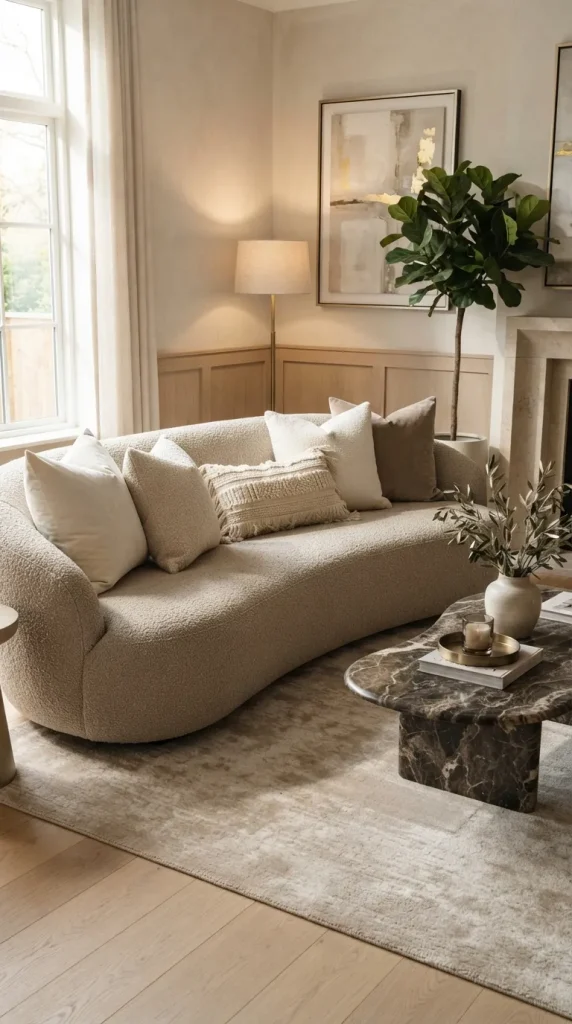
10. Mix-and-Match Patterned Pillow Combination
A mix-and-match pillow combination is ideal for people who want a more creative and personalized living room. Instead of choosing pillows that all have the same print, you combine different patterns, colors, and textures to create a layered arrangement.
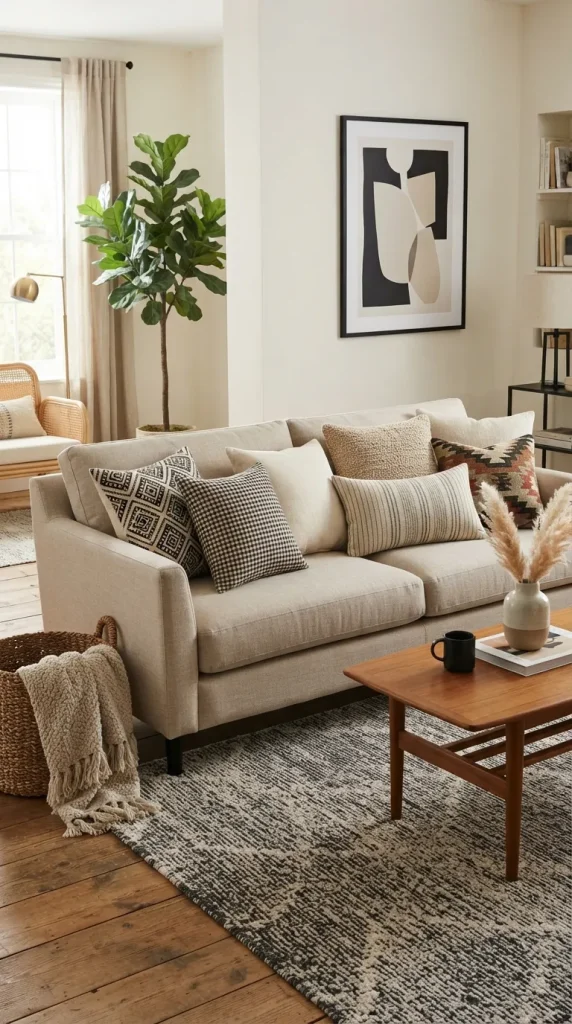
The trick is to establish a consistent color palette before selecting patterns. Choose two or three main colors, such as beige, black, and cream, or sage, ivory, and rust. Then select one large-scale pattern, one small-scale pattern, and one solid or textured design.
For example, you could pair a large geometric-print pillow with a smaller striped pillow and a solid cream pillow. Alternatively, combine a botanical design with a subtle check pattern and a textured sage pillow. The patterns can differ, but their colors should relate to one another.
Materials to use: Geometric-print covers, striped or checked pillow covers, solid cotton or linen pillows, and a textured accent pillow.
How to style it: Start with the largest pillows at the outer ends of the couch. Place the boldest pattern slightly behind or beside a solid pillow, then add smaller patterns toward the center. Avoid placing every patterned pillow directly next to another busy design.
A helpful approach is to vary the scale of the prints. Large patterns create a focal point, while smaller patterns add detail without overwhelming the arrangement. Solid-colored pillows provide visual breathing room between the designs.
This style works particularly well in eclectic, bohemian, contemporary, and creative living rooms. It is also a practical option if you have collected pillow covers over time and want to use them together rather than buying a completely matching set.
To make the arrangement feel cohesive, repeat at least one color across several pillows. You can also connect the palette to a rug, artwork, or throw blanket. If the couch already has a bold fabric or strong color, keep the patterns simpler so the overall room remains balanced.
The final result should look coordinated but not overly perfect. A relaxed arrangement with a mixture of patterns and textures can give your living room character while still feeling comfortable and thoughtfully styled.
Tips for Choosing the Best Pillow Combinations for Your Couch
Choosing a beautiful pillow combination does not require professional interior design skills. A few simple rules can help you create an arrangement that looks balanced and works with your existing furniture.
1. Choose a Color Palette First
Select two or three main colors before purchasing pillow covers. You can use your couch, rug, curtains, or artwork as the starting point. A clear palette makes it easier to combine different designs without creating a cluttered appearance.
2. Mix Different Pillow Sizes
Using only identical pillows can make a couch look flat. Combine larger square pillows with smaller square pillows and one lumbar pillow to create a layered arrangement. Make sure the sizes suit the scale of your sofa.
3. Combine Different Textures
Linen, cotton, velvet, boucle, knitted fabrics, and woven covers each create a different visual effect. Mixing two or three textures adds depth, even when all the pillows share similar colors.
4. Balance Patterns With Solid Colors
If you choose a bold floral or geometric pillow, balance it with solid-colored covers. A useful starting point is to let one pattern become the focal point while the remaining pillows support it.
5. Consider Your Couch Color
Light-colored couches can support both neutral and bold pillows. Dark sofas often benefit from lighter accents that create contrast. If your couch already has a strong color, choose pillow shades that complement rather than compete with it.
6. Keep Comfort in Mind
Decorative pillows should look attractive but remain practical. Choose covers that can be removed for washing, inserts that hold their shape, and fabrics suitable for how your living room is used.
7. Avoid Overcrowding the Sofa
More pillows do not always create a better result. A small loveseat may need only two or three pillows, while a large sectional can accommodate a more generous arrangement. Leave enough seating space for people to sit comfortably.
Conclusion
These 10 pillow combinations ideas for couch styling show how a few carefully chosen pillows can change the entire appearance of your living room. From neutral beige and cream arrangements to bold navy and mustard combinations, each palette offers a different way to introduce color, texture, and personality into your home.
The best arrangement depends on your couch color, room style, personal preferences, and everyday needs. Start with a coordinated color palette, mix a few different textures, and use patterns thoughtfully. You can also refresh your existing pillows by changing their covers or rearranging them in a new order.
Most importantly, your couch should look beautiful while remaining comfortable and practical. With the right combination of colors, sizes, and fabrics, you can create a stylish living room that feels welcoming, balanced, and uniquely yours.





Leave a Reply